
In Part 1, we explored how iconic architecture can shape our understanding of a city, while also reminding us that it’s often the lesser-known architectural marvels that reveal the deepest layers. In this second part, we continue our journey through some other top cities in the world, and look around quiet street corners to discover some hidden gems. Ready to stray off the beaten path? Dig in!
Singapore
Parkview Square (Gotham Building)

Built: 1999-2002
Style: Art Deco
Significance: A building that looks nothing like Singapore’s trademark steel & glass skyline and more at home in New York, Parkview Square is an office building featuring Parisian design elements such as Bronze detailing and Baroque ornamentation. Most notably, it features a golden crane sculpture outside the grand entrance that symbolises a migrant’s longing for his home. The architectural marvel is also famous for its Atlas Bar, featuring a gorgeous gilded tower that contains the world’s largest collection of gin!
The Interlace

Built: 2013
Style: Modern
Significance: The Interlace redefines urban living by breaking away from the usual high-rise apartment. 31 six-story blocks are stacked in a hexagonal layout around spill-out spaces, resembling a giant Jenga game. The design optimises natural light, cross-ventilation, and open views into large courtyards from every unit. As opposed to skyscrapers that tend to isolate their inhabitants, The Interlace fosters a sense of community, with a healthy connection to the outdoors.
Istanbul
Süleymaniye Mosque

Built: 1557
Style: Ottoman
Significance: A stunning example of Ottoman craftsmanship at its finest, the Süleymaniye mosque is frequently eclipsed by its neighbours, the Hagia Sophia and Blue Mosque. The soaring central dome and cascading arches are self-supporting, proving that artistic beauty and structural integrity need not be mutually exclusive. The engineering of this architectural marvel is so precise that it could withstand earthquakes long before modern tech. Inside, Islamic motifs & geometric patterns are perfectly executed, thanks to guiding principles that are firmly rooted in mathematical precision.
The Basilica Cistern (Yerebatan Sarnici)
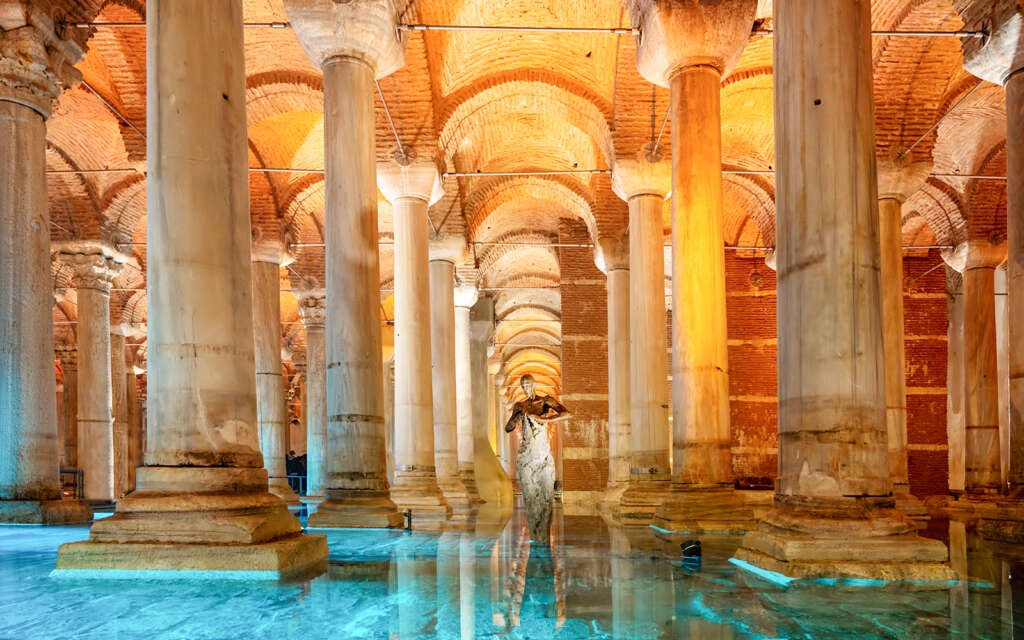
Built: 532 AD
Style: Byzantine
Significance: The busy streets of Istanbul hold a special secret that not many tourists are aware of. A massive water reservoir lies under this historic city, built to meet the water needs of the time. The vast subterranean chamber is supported by 336 marble columns that remain intact to this day. The Cistern holds many unsolved mysteries to ponder over as you explore; where did the still water come from? Why are there fish swimming around in the water? What’s the origin of the two large Medusa-head column bases?… Care to wonder?
Dubai
Al Fahidi Historical Neighbourhood
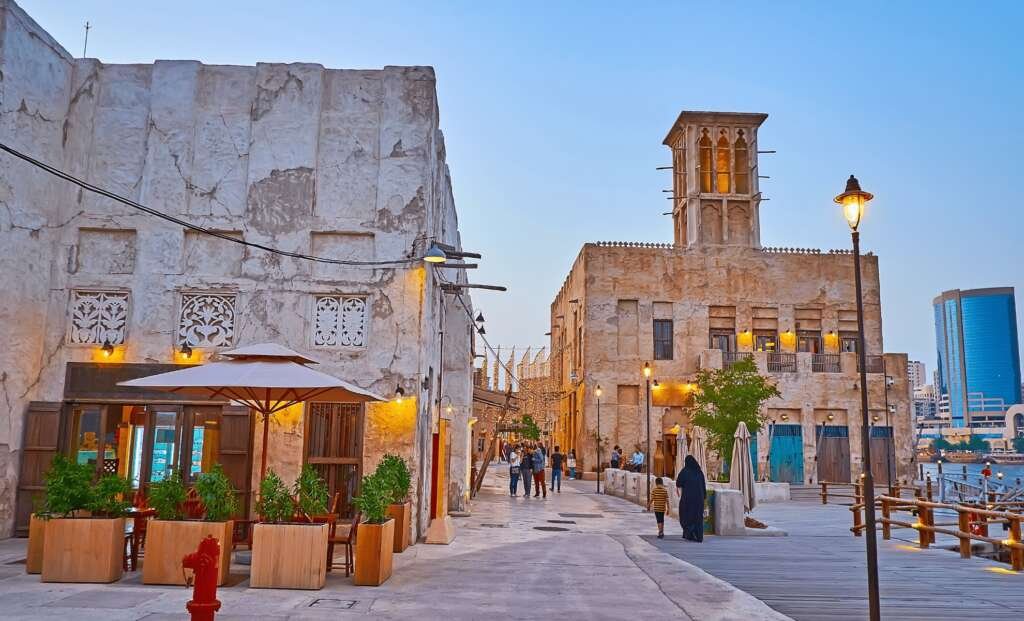
Built: 19th Century
Style: Emirati
Significance: Dubai may be a futuristic metropolis today, but it first began as a district for wealthy Persian merchant settlers to do brisk business. Al Fahidi is the symbol of Dubai’s humble beginnings; the original coral, stone & gypsum homes of the past preserved, albeit repurposed into museums, cafes and markets. The beige and pink walls are melancholic, particularly at sunset. Here, traditional Islamic design has been adapted to the harsh desert climate, with creative solutions to combat heat.
Mohammed Bin Rashid Library
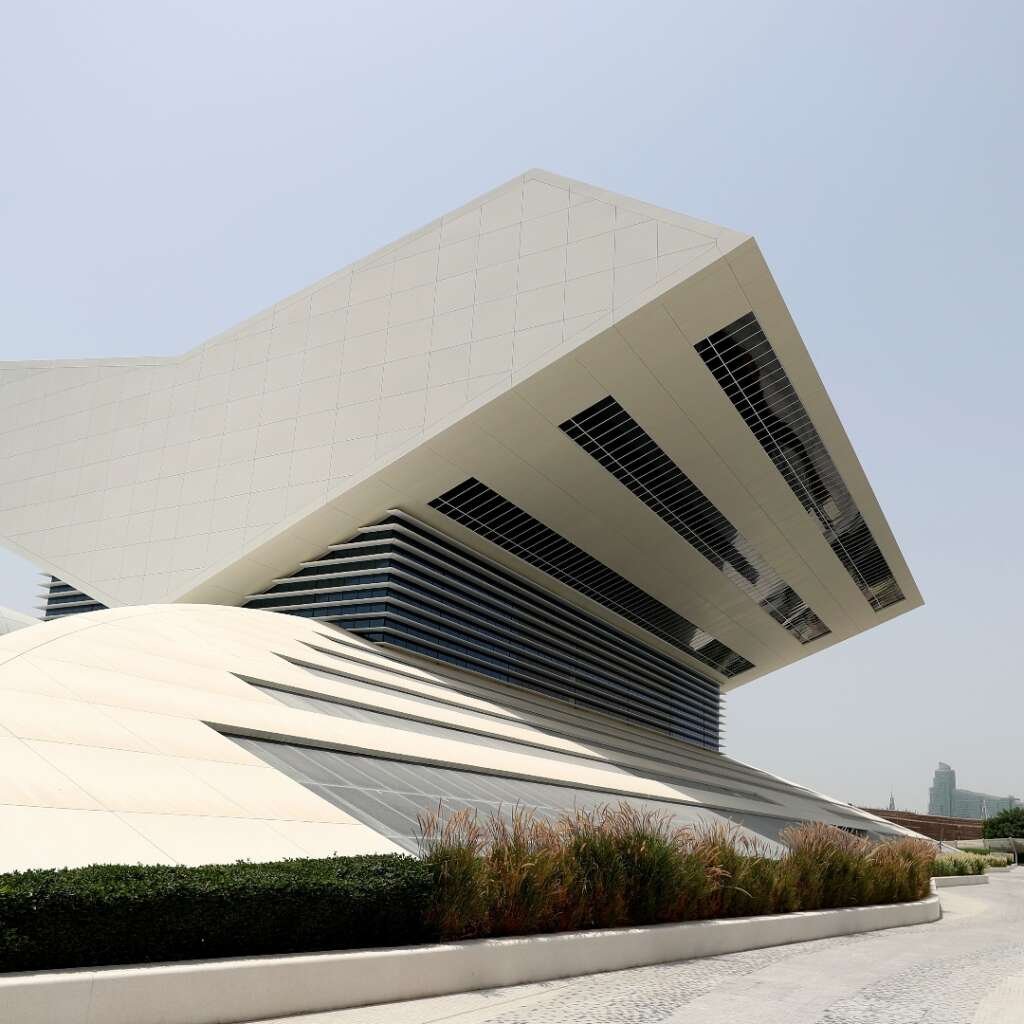
Built: 2022
Style: Modern
Significance: Shaped like a traditional Islamic lectern (Rehl), the Mohammed Bin Rashid Library is a striking symbol of the quiet power of knowledge. It’s more than just a library; the 7-storey architectural marvel houses over a million books, digital archives, research spaces, and an amphitheatre. It uses sustainable practices in its design, reflecting a future-forward vision of Dubai that is culturally rich, informed, and eco-conscious.
Mumbai
Dr Bhau Daji Lad Museum
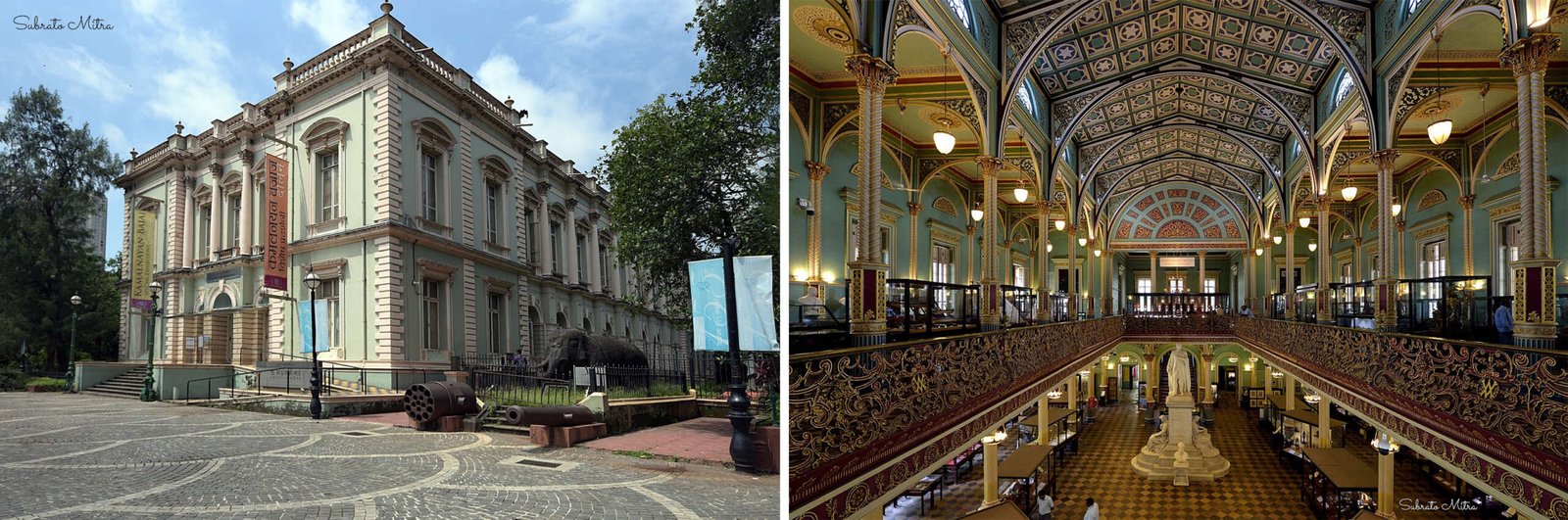
Built: 1885
Restored: 2025
Style: Victorian
Significance: As a city whose culture was heavily influenced by its colonial connection, Mumbai still boasts many iconic, century-old buildings from its days as Bombay. The city’s oldest museum, the Dr. Bhau Daji Lad, is one of them. This building is one of the classic examples of 19th & 20th century Palladian-style architecture characteristic of Mumbai. Its galleries trace Mumbai’s evolution from a colonial port city to one of the top commerce & cultural hubs today, while celebrating the diverse communities that shaped its identity. Its colourful, ornate decorations and balanced architectural symmetry are sure to evoke a nostalgia for a golden era.
Khotachi Wadi
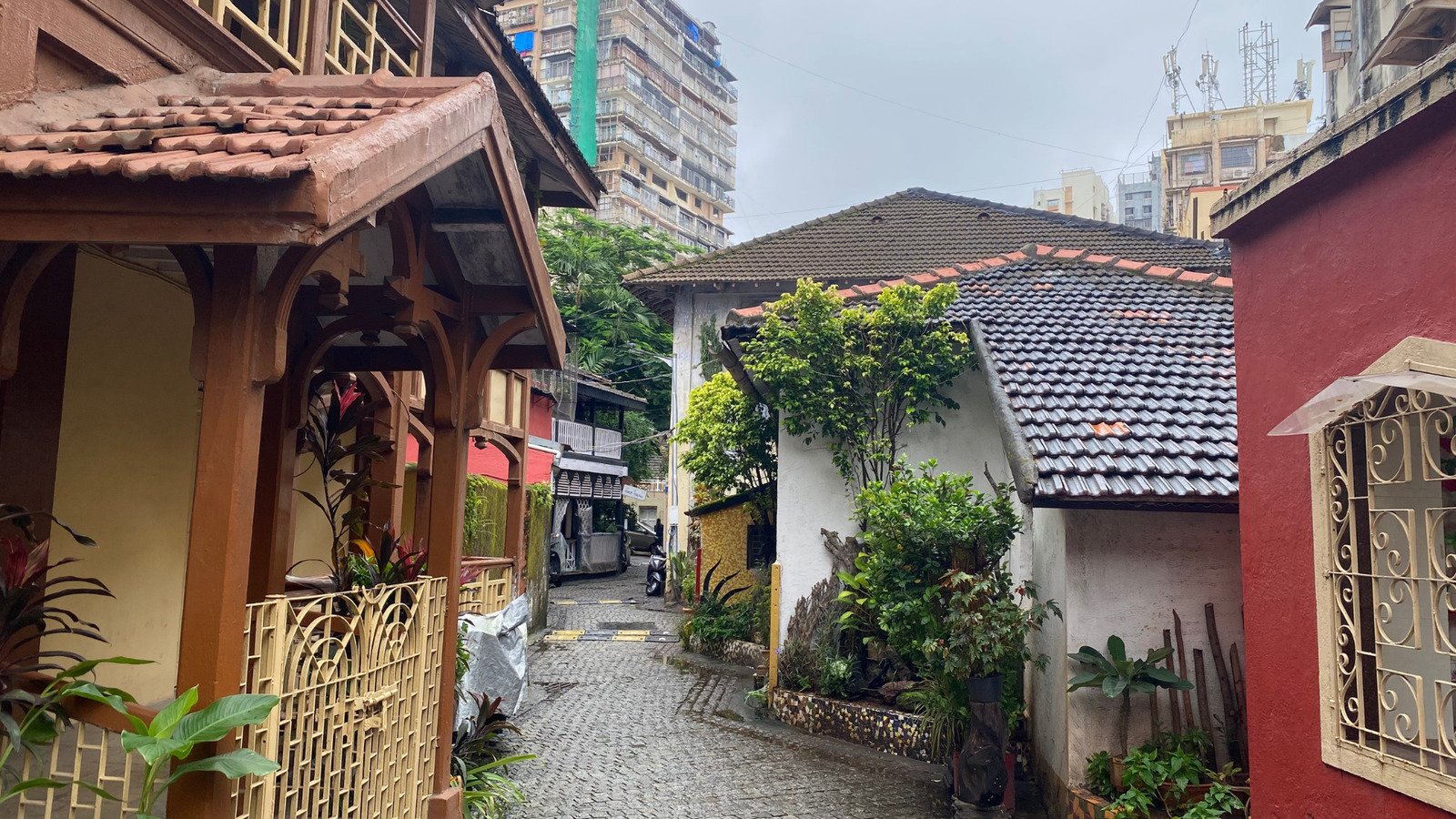
Founded: 18th Century
Style: Indo-Portugese
Significance: Tucked between the city’s soaring skyscrapers is the curious little residential hamlet of Khotachi Wadi, one of the oldest settlements in Mumbai. Many of its well-preserved, two-storey wooden homes (Goa’s back lanes, anyone?) are still occupied by descendants of the original Indo-Portuguese families, who are gracious hosts to visitors on heritage walks. Khotachi Wadi is a delight during Christmas and New Year, when the community celebrates with a vibrant, festive fervour. The neighbourhood gallery, 47-A, is curated with keepsakes and stories of the locality, with cultural events held often.
Bangkok
Erawan Museum
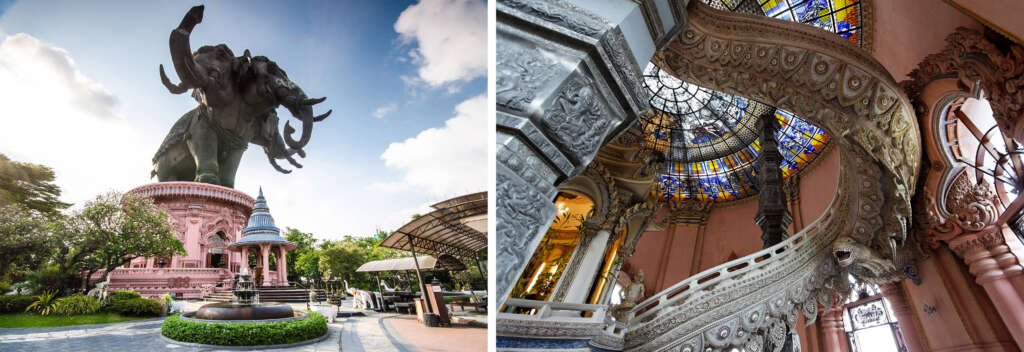
Built: 2003
Style: Eclectic
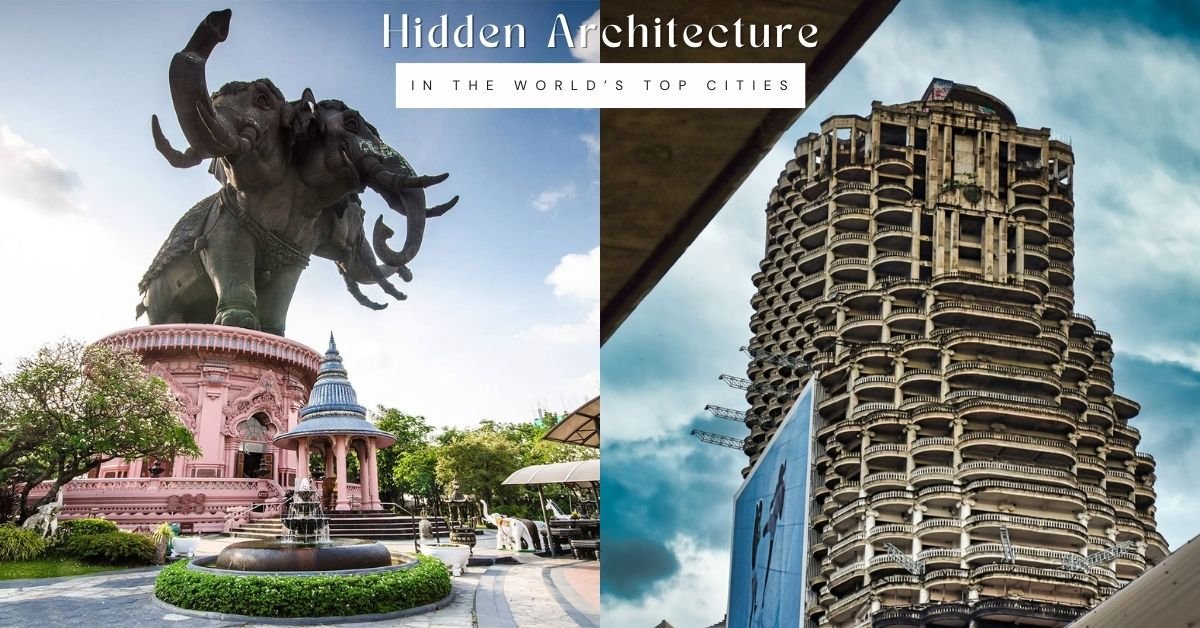
Significance: If you spot a giant 3-headed elephant towering over you when walking around Bangkok, you’ve found the Erawan Museum. The large bronze sculpture stands atop the glass-domed circular building, which houses numerous Thai artefacts. While the exterior itself is a striking architectural marvel, it’s the extravagant interiors that are the true masterpiece. It borrows heavily from religious symbolism, an allegory of the Hindu cosmos. Elements are many, colours are bright, and the ornamentation is so detailed that photos hardly do it justice.
Sathorn Unique Tower
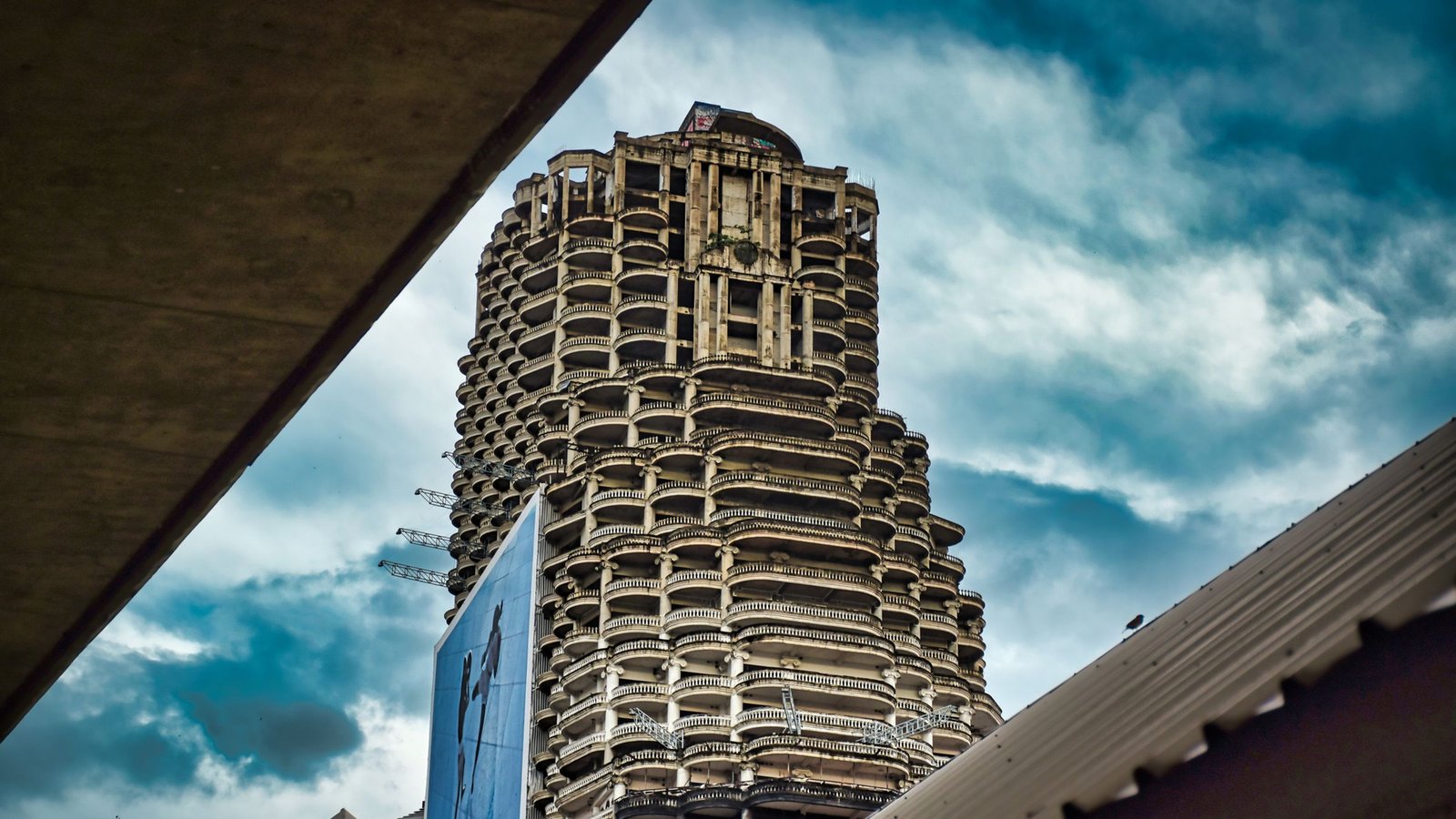
Built: 1990-97
Style: Post-Modern
Significance: ‘Post-apocalyptic’ skyscraper Sathorn Tower is an unfinished high-rise that was abandoned during the 1997 Asian financial crisis, and remains the same to this day. It’s an oddity that sticks out against Bangkok’s sleek skyscrapers, attracting attention for its haunted, decaying appearance. Incomplete balcony railings, empty corridors, cranes frozen midair are all reminders of the architectural marvel it could have been. Entry is officially prohibited, but thrill-seekers often sneak in, mainly for the unbeatable city views from above. It’s highly recommended to avoid entry and admire the building from afar; after all, there are many tales of the building being cursed & haunted.
Kuala Lumpur
Royal Selangor Club
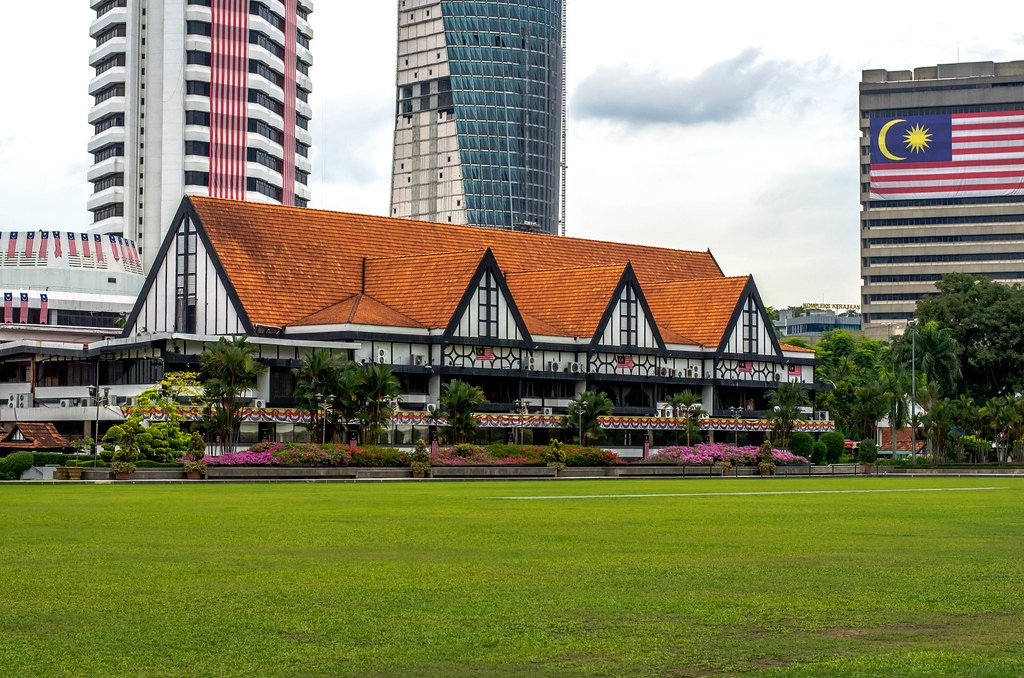
Redesigned: 1910
Style: Tudor Revival
Significance: What started as a modest wooden clubhouse for high-ranking British officials has evolved today into an exclusive two-storey recreational club for the city’s elite. Its distinctive tiled roof and bold geometric lines stay true to the 16th-century English Tudor style, a remnant of a colonial past. The timber-framed building has endured fires, floods, and multiple reconstructions over the decades, standing silently as an important marker of Kuala Lumpur’s evolution.
Rumah Penghulu Abu Seman House
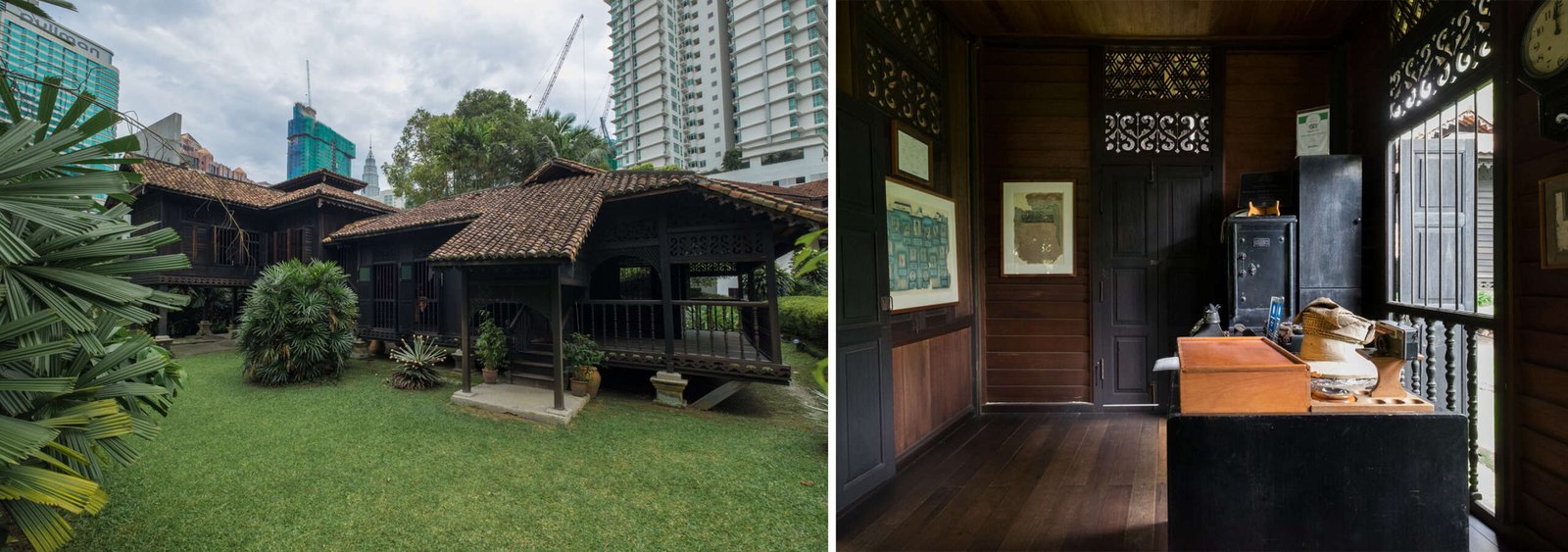
Built: 1930
Style: Vernacular Malay
Significance: One of the few surviving examples of traditional Malay timber homes, the Rumah House was relocated from a village to the city in 1996, providing deep insight into how early Malay settlers lived. An interesting detail: roof tiles at the time were handcrafted and shaped around the thigh of a single artisan. If someone else made the tiles, the diameter would change, disrupting the interlocking pattern and leading to leaks, highlighting just how personalised and skill-dependent vernacular architecture is.
Some of the most powerful stories a city can tell are whispered through the walls of buildings that don’t always make the front page of travel guides. These architectural marvels, whether they are hidden in a narrow gully or towering over traffic, reflect the history, culture, and vision of their region. They remind us that beauty isn’t always bold and innovation is not always flashy. The next time you find yourself in a busy city, take a detour. Look up, look closer, and let the architecture lead you to the marvels hiding around the corner.
What are your thoughts on this list? Let us know in the comments.


Join the discussion