
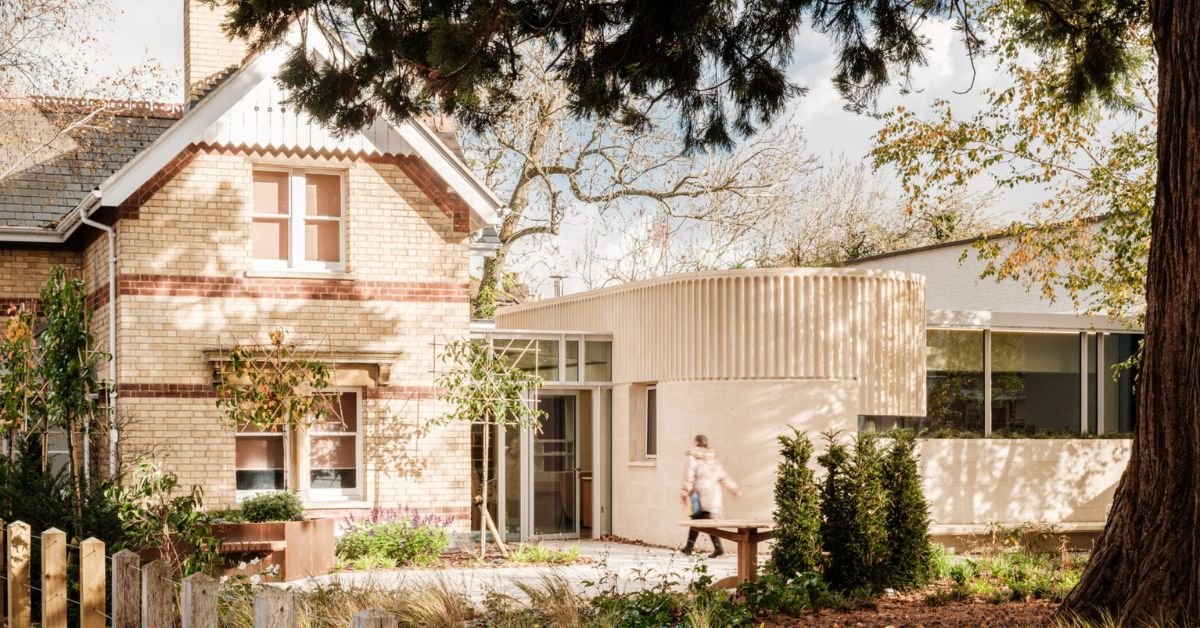
Maggie’s Centres demonstrate how thoughtful architecture can play a meaningful role in healing and emotional well-being. Created to support people living with cancer, along with their families and caregivers, these centres challenge the traditional idea of healthcare environments. Instead of sterile corridors and clinical waiting rooms, Maggie’s Centres offer spaces filled with natural light, gardens, warm materials, and welcoming interiors that encourage comfort, conversation, and hope.
Designed by some of the world’s leading architects including Zaha Hadid, Norman Foster, Richard Rogers, Snøhetta, and Kengo Kuma they prove that architecture isn’t just about creating buildings; it’s about improving lives.
For architects, designers, and healthcare professionals alike, Maggie’s Centres have become global benchmarks for how human-centered design can transform the experience of care.
Where the Story Began
The idea for Maggie’s Centres was born from the experience of Maggie Keswick Jencks, a landscape designer, writer, and gardener who was diagnosed with advanced cancer.
During her treatment, she realized that while hospitals focused on medical care, there were very few spaces dedicated to emotional support, conversation, or simply finding a moment of peace.
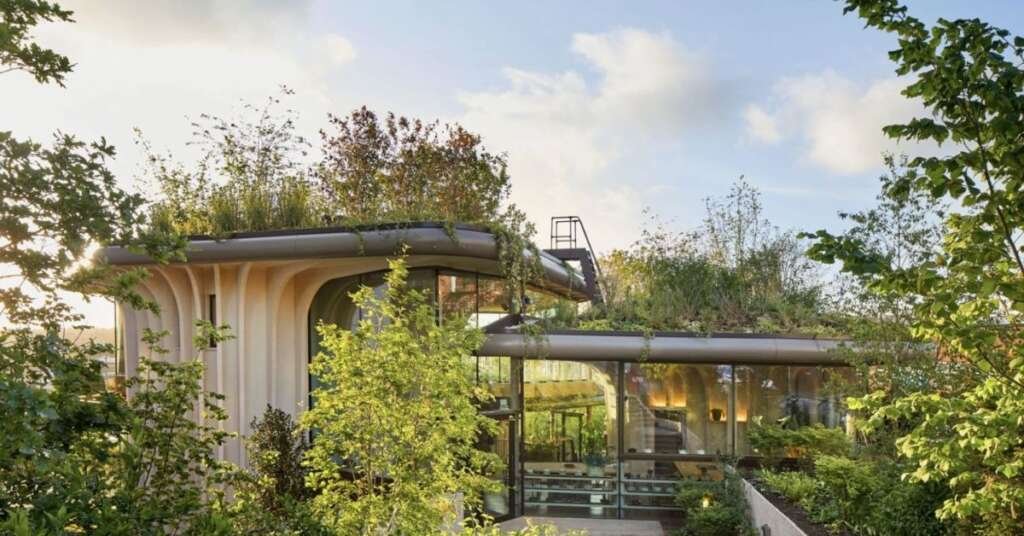
Exterior view of a Maggie’s Centre showcasing its welcoming, domestic-scale architecture set within a landscaped environment.
Together with her husband, architectural theorist Charles Jencks, she imagined a different kind of place.
A place that didn’t feel like a hospital.
A place where people could receive practical advice, emotional support, and companionship in surroundings that felt calm, domestic, and uplifting.
That vision eventually became Maggie’s Centres, with the first centre opening in Edinburgh in 1996.
Today, there are dozens of Maggie’s Centres across the UK and internationally, each uniquely designed yet united by the same philosophy.
Architecture That Puts People Before Buildings
One of the defining principles behind every Maggie’s Centre is that architecture should respond to people, not the other way around.
Unlike conventional healthcare facilities, these buildings are intentionally modest in scale.
There are no intimidating entrances. No endless corridors. No institutional atmosphere.
Instead, visitors encounter welcoming kitchens, cozy seating areas, open gardens, libraries, fireplaces, and spaces that encourage conversation.
The architecture immediately communicates something important:
“You are welcome here.”
That emotional reassurance begins long before anyone speaks.
Designed by Some of the World’s Greatest Architects
One of the remarkable aspects of Maggie’s Centres is that every building is designed by a different internationally acclaimed architect. Among them are:
- Zaha Hadid
- Foster + Partners
- Richard Rogers
- Snøhetta
- Kengo Kuma
- OMA
- Steven Holl
- WilkinsonEyre
Rather than following one architectural style, each architect interprets Maggie’s philosophy through their own design language.
This diversity creates a collection of buildings that are visually distinct while remaining emotionally consistent.
Each centre responds to its climate, landscape, and community. The result is architecture that feels personal rather than standardized.
Natural Light Becomes a Form of Therapy
If there is one design element shared by nearly every Maggie’s Centre, it is light.
Large windows.
Skylights.
Glass walls.
Sun-filled rooms.
Natural daylight fills the interiors, creating spaces that feel open and optimistic rather than enclosed.
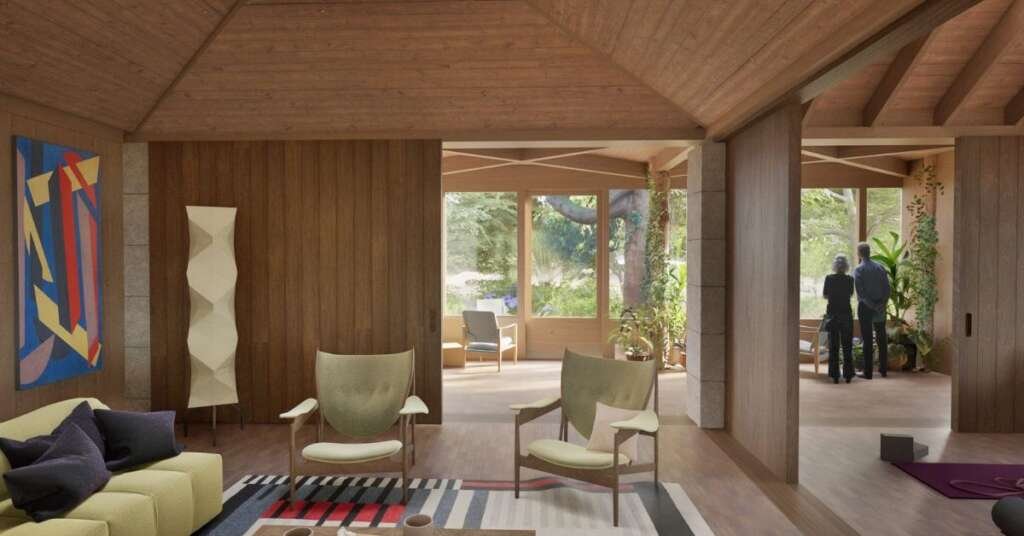
Interior spaces filled with natural daylight, highlighting the calming atmosphere created through thoughtful architectural design.
Credits: https://www.dezeen.com/2026/03/09/maggies-kent-assemble/
Research has consistently shown that access to daylight can positively influence mood, reduce stress, and improve overall well-being.
At Maggie’s Centres, daylight is treated not merely as illumination but as an essential component of the healing environment.
It changes throughout the day, connecting visitors with time, weather, and nature.
The Kitchen Is Always at the Heart
Perhaps the most unexpected feature inside every Maggie’s Centre is the kitchen.
Instead of a reception desk being the first point of contact, visitors often arrive at a communal kitchen table.
Why?
Because kitchens naturally encourage conversation. Sharing tea or coffee creates a sense of familiarity that immediately reduces anxiety.
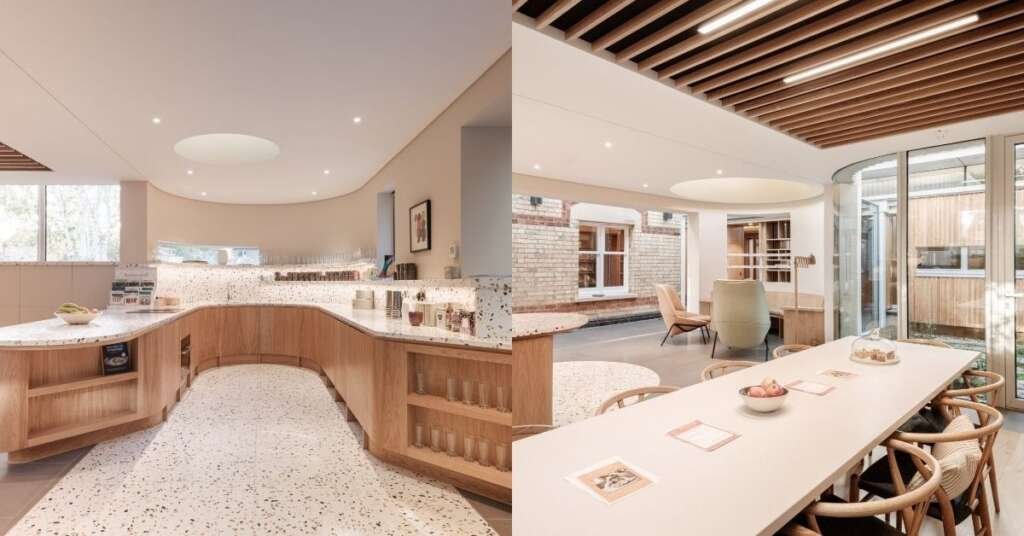
Warm communal kitchen and seating area illustrating the centre’s focus on conversation, comfort, and emotional support.
Credits: https://www.dezeen.com/2026/05/27/metropolitan-workshop-maggies-cheltenham/
It’s an architectural decision rooted in psychology rather than aesthetics. The kitchen symbolizes warmth, equality, and community.
Everyone, patients, family members, volunteers, and staff shares the same space. It removes hierarchy and replaces it with connection.
Gardens Are Part of the Healing Process
The landscape surrounding Maggie’s Centres is never treated as an afterthought. Gardens play a vital role in the overall experience. Many centres feature:
- Quiet courtyards
- Native planting
- Reflective water features
- Woodland paths
- Outdoor seating
- Seasonal flowers
These outdoor spaces provide moments of pause and reflection.
They offer visitors an opportunity to reconnect with nature during what may be one of the most challenging periods of their lives.
The transition between indoors and outdoors is intentionally seamless, reinforcing the idea that healing extends beyond the walls of the building.
Warm Materials Create Emotional Comfort
Material selection at Maggie’s Centres is carefully considered.
Instead of polished stone and fluorescent lighting often associated with hospitals, visitors encounter materials that feel familiar and comforting. Common choices include:
- Timber
- Natural stone
- Brick
- Soft textiles
- Warm lighting
- Handmade furniture
These materials introduce texture and warmth, making spaces feel more like homes than healthcare facilities.
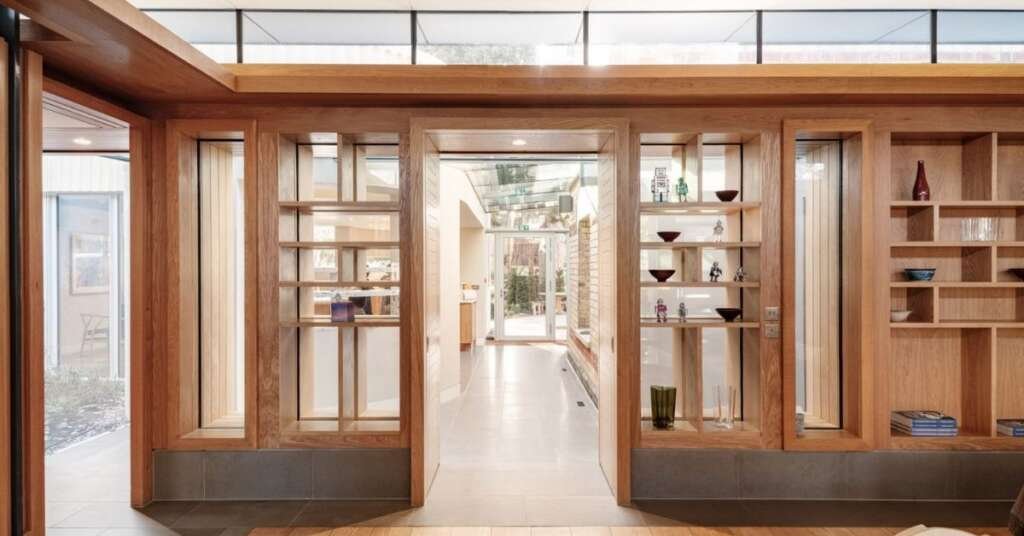
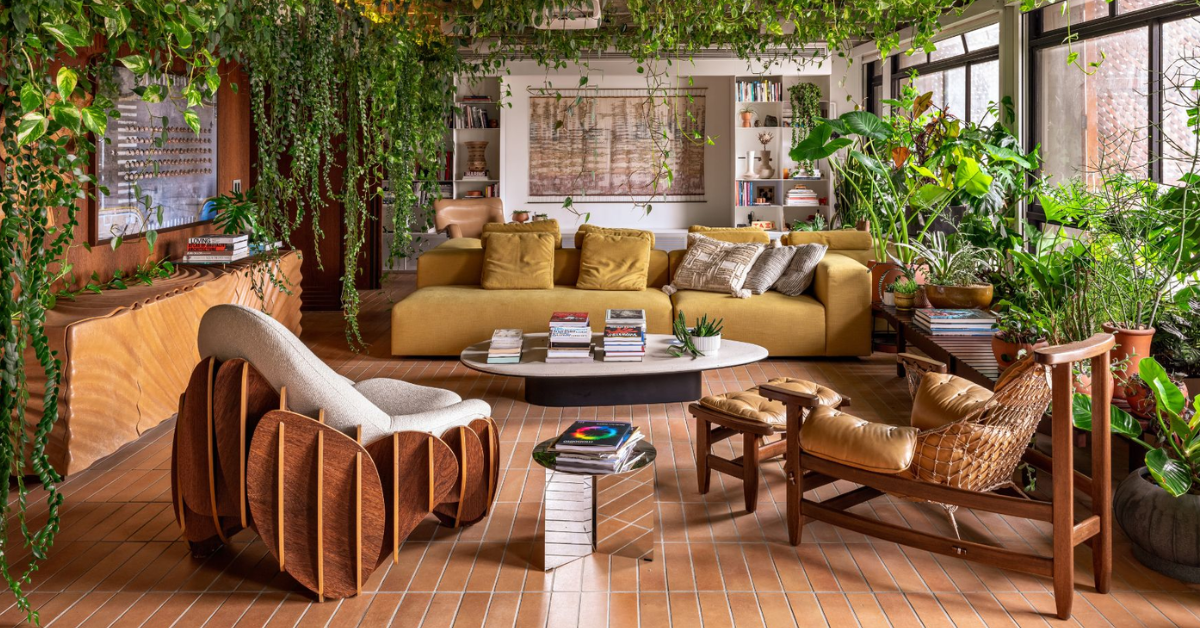
Architectural details showcasing the use of timber, natural materials, and human-scaled interiors.
Credits: https://www.dezeen.com/2026/05/27/metropolitan-workshop-maggies-cheltenham/
The architecture quietly communicates care through every detail.
Small Spaces, Big Impact
Most Maggie’s Centres are relatively modest in size. Yet their influence extends far beyond their physical footprint.
Rather than creating monumental buildings, the design focuses on:
- Intimate gathering spaces
- Flexible rooms
- Quiet corners
- Comfortable seating
- Visual connections to gardens
Every square meter serves a purpose. Visitors are free to choose how they interact with the space.
Some join group discussions. Others prefer private reflection. The architecture accommodates both.
Lessons for Healthcare Design Around the World
Maggie’s Centres have fundamentally changed how architects think about healthcare environments.
They demonstrate that healing isn’t supported only through medicine.
It’s also influenced by surroundings.
Design principles pioneered by Maggie’s Centres now inspire hospitals, rehabilitation facilities, mental health centers, and community clinics across the world.
Some of the key lessons include:
| Design Principle | Benefit |
| Natural daylight | Improves comfort and mood |
| Gardens and landscapes | Reduce stress and encourage reflection |
| Domestic-scale spaces | Create emotional security |
| Warm materials | Make interiors feel welcoming |
| Flexible layouts | Support different emotional needs |
| Community-focused planning | Encourage connection and conversation |
These ideas continue to shape the future of healthcare architecture.
Also Read: 7 Fascinating Facts About Marina Bay Sands Architecture Every Design Lover Should Know
Architecture That Encourages Human Connection
One of the greatest strengths of Maggie’s Centres is that they recognize healing as a shared experience.
Cancer affects not only patients but also families, friends, and caregivers.
The architecture supports all of them.
Spaces are intentionally designed to encourage conversation without forcing it.
Visitors can spend time alone. Meet others facing similar challenges. Attend workshops. Read quietly. Or simply sit beside a window overlooking a garden.
Every choice respects individual emotional needs.
A Global Influence Beyond Healthcare
Although Maggie’s Centres were created specifically for cancer support, their influence reaches far beyond healthcare.
Architects now reference these buildings when designing:
- Community centers
- Libraries
- Educational campuses
- Wellness retreats
- Hospitality projects
- Residential developments
The central lesson remains remarkably simple, that people experience buildings emotionally.
Designing for comfort, dignity, and connection creates architecture that serves society far more effectively than impressive forms alone.
Why Maggie’s Centres Continue to Inspire Architects
In an era where architecture is often celebrated for height, scale, or visual spectacle, Maggie’s Centres remind us that the greatest buildings are sometimes the quietest.
Their success doesn’t come from monumental facades or iconic skylines.
It comes from understanding human needs.
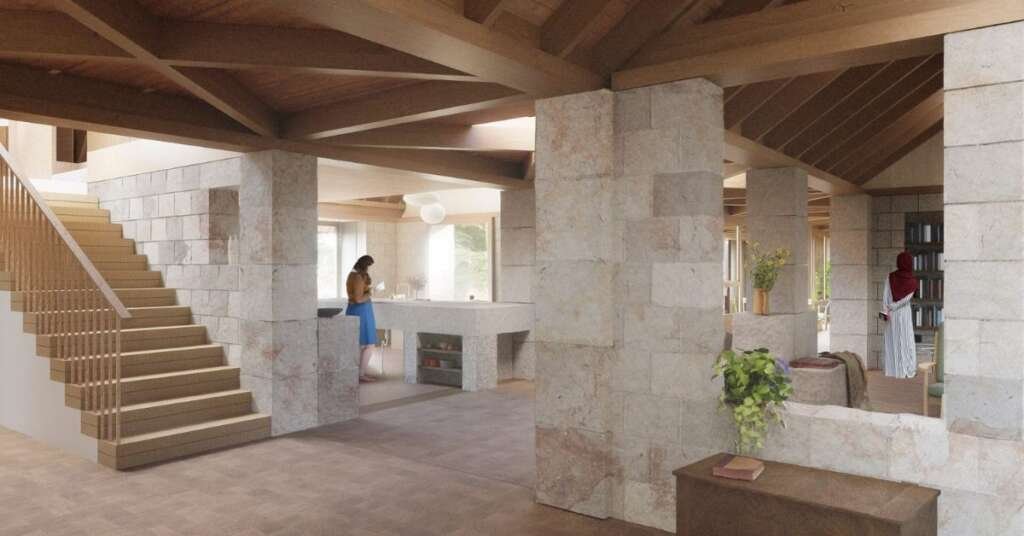
Local and natural materials will be used to build Maggie’s Kent
Credits: https://www.dezeen.com/2026/03/09/maggies-kent-assemble/
Through light, landscape, materiality, and thoughtful planning, these centres create environments where architecture becomes an active participant in healing.
For architects and designers, they demonstrate that empathy can be as powerful a design tool as technology or engineering.
Conclusion: Designing Spaces That Care
The Maggie’s Centres are much more than beautifully designed buildings they are powerful reminders that architecture has the ability to support emotional well-being, foster community, and create environments where people feel safe, respected, and understood.
By replacing clinical atmospheres with warm materials, natural light, gardens, and welcoming communal spaces, they have redefined what healthcare architecture can be. Their influence continues to shape the design of hospitals, wellness centers, and public spaces across the world, proving that thoughtful architecture is not simply about constructing buildings it’s about improving the quality of human life.

Join the discussion