
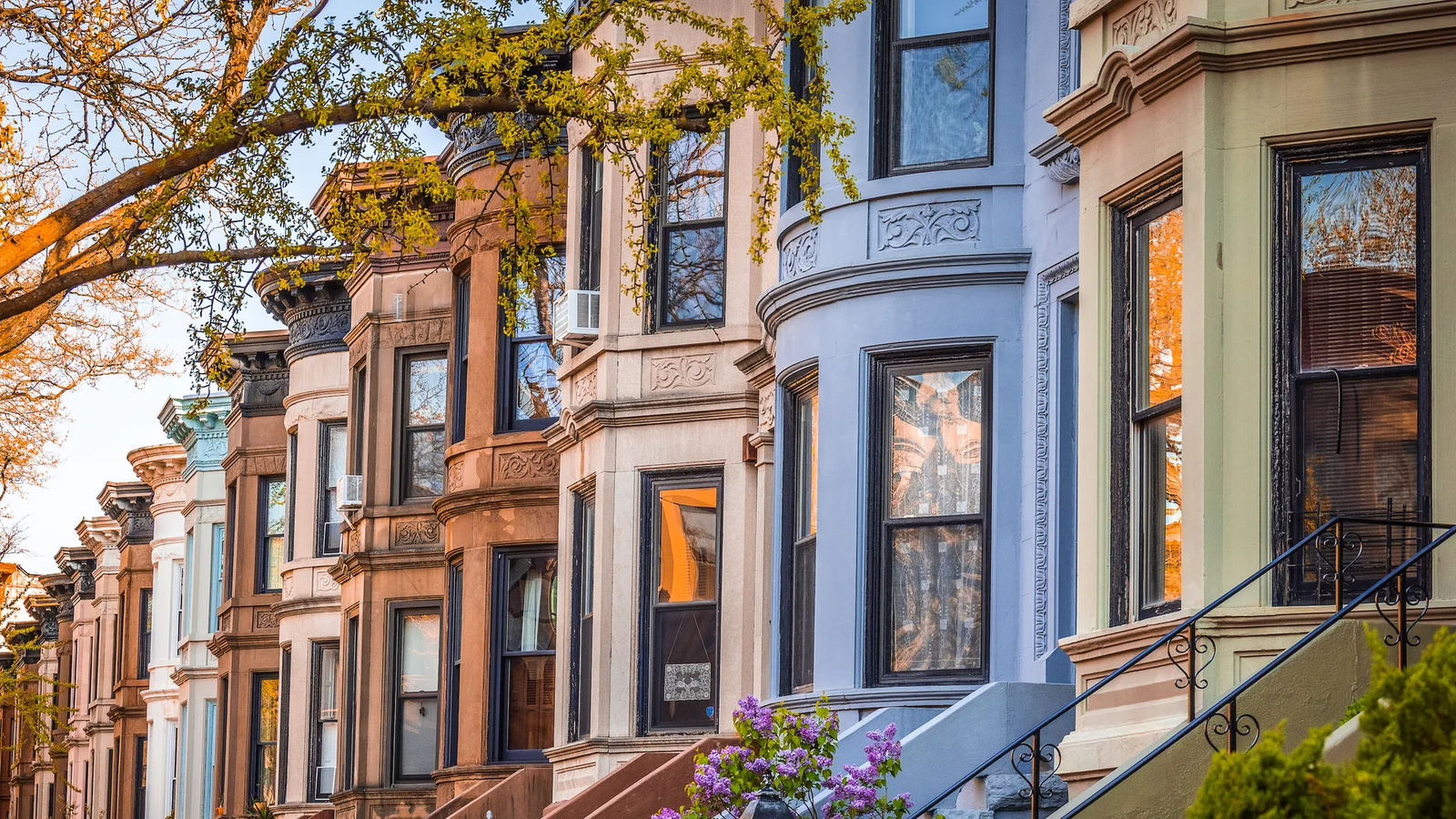
What does your house type reveal about your lifestyle? When people consider buying or building a home, they often focus on budget, location, or design. Although these factors matter, the type of house itself plays an equally crucial role in shaping daily life. The layout, scale, and character of a home can influence everything, from keeping routines intact to how private or connected you feel. As the idiom goes, ‘home is where the heart is,’ and that’s no figment of imagination.
Let’s say a townhouse may encourage neighbourly interactions, while a farmhouse opens doors to nature and solitude. Simplicity is what a compact studio demands, while a penthouse embraces indulgence. Picking a house isn’t just about money, it’s about finding a space that matches how you live, what you dream of, and where you’re headed.
Let’s take a closer look at ten of the most common house types, their defining features, and the kinds of living they make possible.
Bungalow – The Grounded Home

A bungalow is a single-story dwelling designed for ease and accessibility. With all rooms on one level, movement is simple and practical, making it especially suitable for families with children or elderly members. Its strength lies in simplicity and functionality, offering comfort without the need for humongous layouts. At times, limited floor space can create a sense of restriction, and expectations of grand living may feel shattered. Yet, bungalows continue to be one of the most approachable and user-friendly house types.
Duplex – Two Homes in One
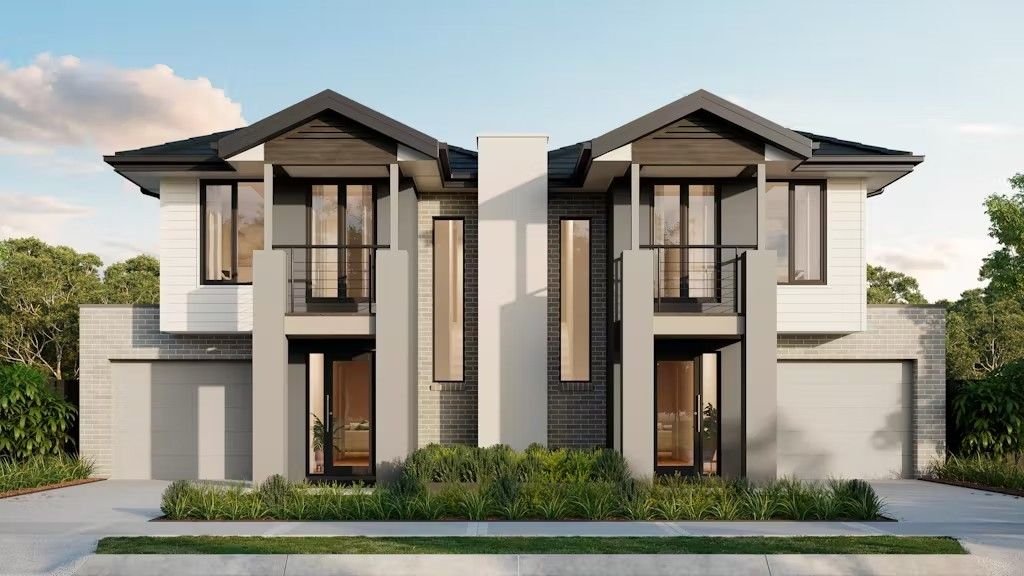
A duplex is essentially two homes under one roof, either side by side or one above the other giving you built-in flexibility. One unit can become a rental, a cosy guest space, or a place for extended family to stay close. Its biggest appeal is how practical and cost-effective it is compared to buying two separate houses. At first, it can feel like you’re getting two homes in one, but shared walls sometimes mean a little less privacy and a bit more noise.
Villa – Space and Lifestyle
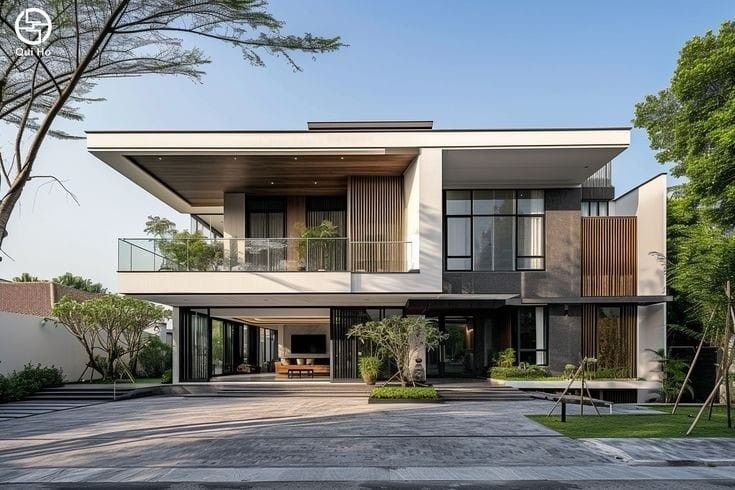
A villa is all about space and privacy, with comfort and luxury built right in. You’ll often find them in gated communities with pretty gardens, shared amenities, and round-the-clock security. Big, airy rooms, private lawns, and sometimes even a pool make villas the dream home for many. Of course, that dream doesn’t come without its price; buying one and keeping it running can take a good chunk out of your wallet. But if what you want is exclusivity, quiet, and plenty of room to spread out, there’s nothing quite like a villa.
Apartment – The Urban Standard
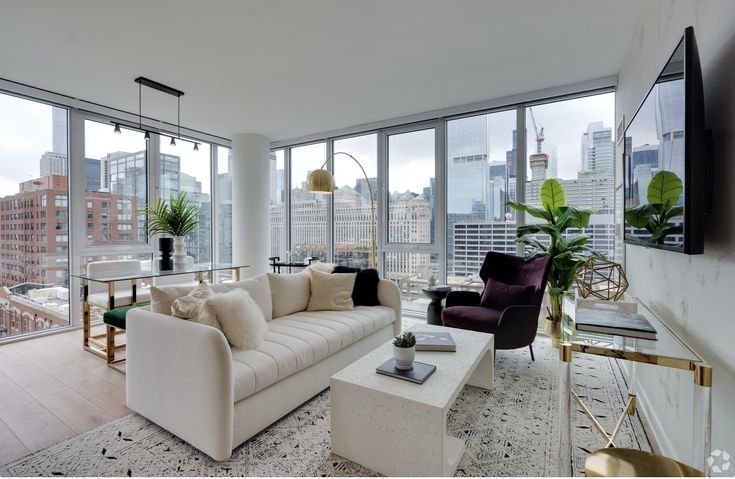
An apartment is the classic urban choice — compact, efficient, and loaded with conveniences like a steady water supply, security, and shared facilities. It’s perfect if you enjoy having neighbours close by and a sense of community right at your doorstep. But that closeness can come with a trade-off; privacy feels limited, and personal outdoor space is usually just a balcony at best. For many households, especially younger families and professionals, apartments provide an affordable and practical entry into homeownership.
Studio – Compact Independence
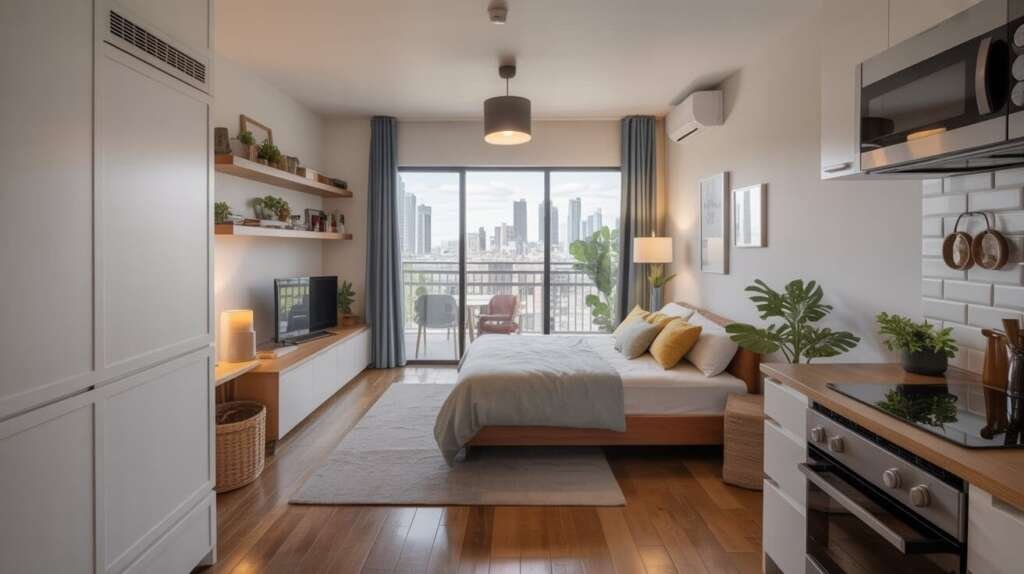
A studio is like a neatly tied knot, everything held together in one compact form. Living, dining, and sleeping flow together in a single open-plan room. Moreover, being budget-friendly, it suits students, working professionals, or anyone prioritising independence over size. Easy to maintain and efficient, studios make trivial chores almost disappear. The limitation, then, lies in space; they cannot easily host large gatherings or families.
Townhouse – Balanced Living
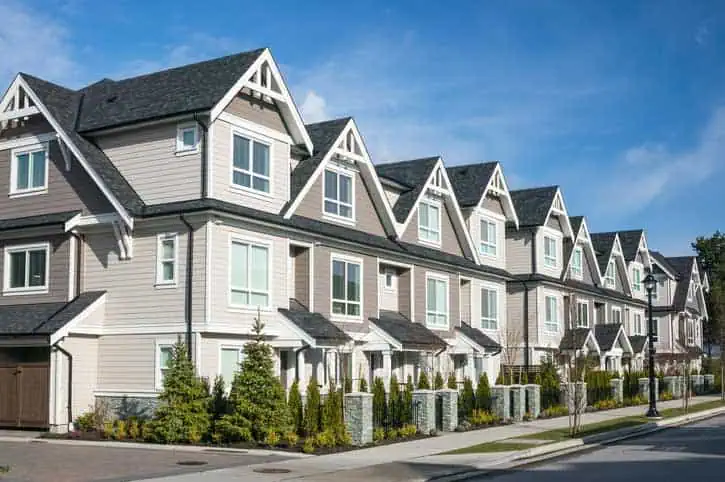
Townhouses are multi-story homes built in rows, often with a narrow frontage and shared walls. They provide more living space than apartments while remaining more affordable than villas. Families may scrabble for space across the different levels, yet over time, these homes often become a keepsake of shared routines and community. For growing families, townhouses strike a balance between independence, affordability, and comfort.
Row House – Uniform and Efficient
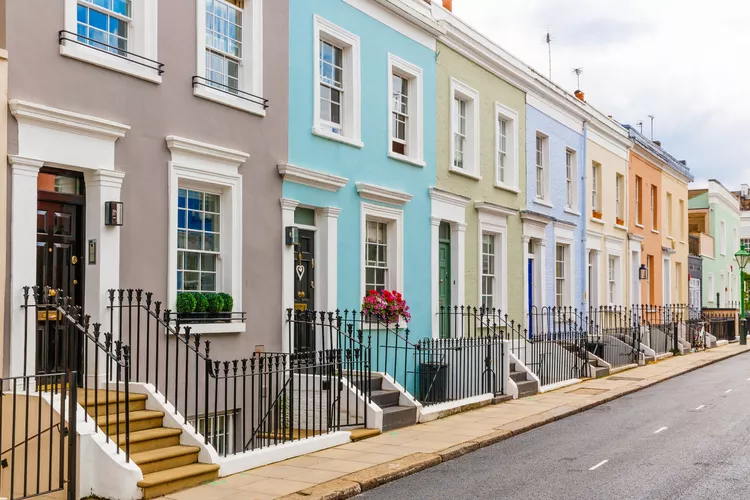
Row houses are similar to townhouses but usually follow identical patterns, giving neighbourhoods a uniform character. Compact and practical, they provide an independent address without the scale or cost of larger homes. For middle-income families, these homes serve as an anchor of stability, offering functional, community-oriented living. Every household may need to crank up creativity to make the most of the space, but the result is both efficient and comfortable.
Cottage – Charm in Simplicity
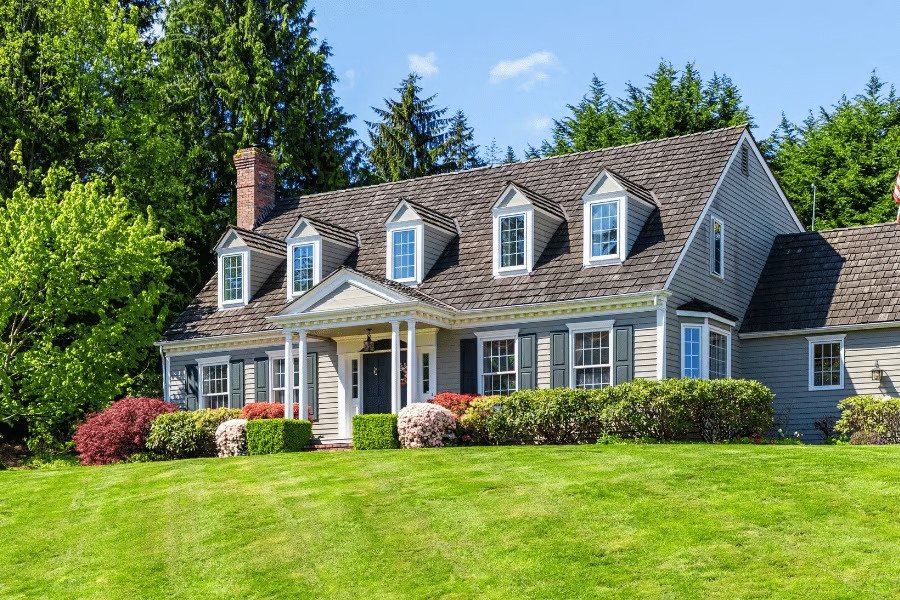
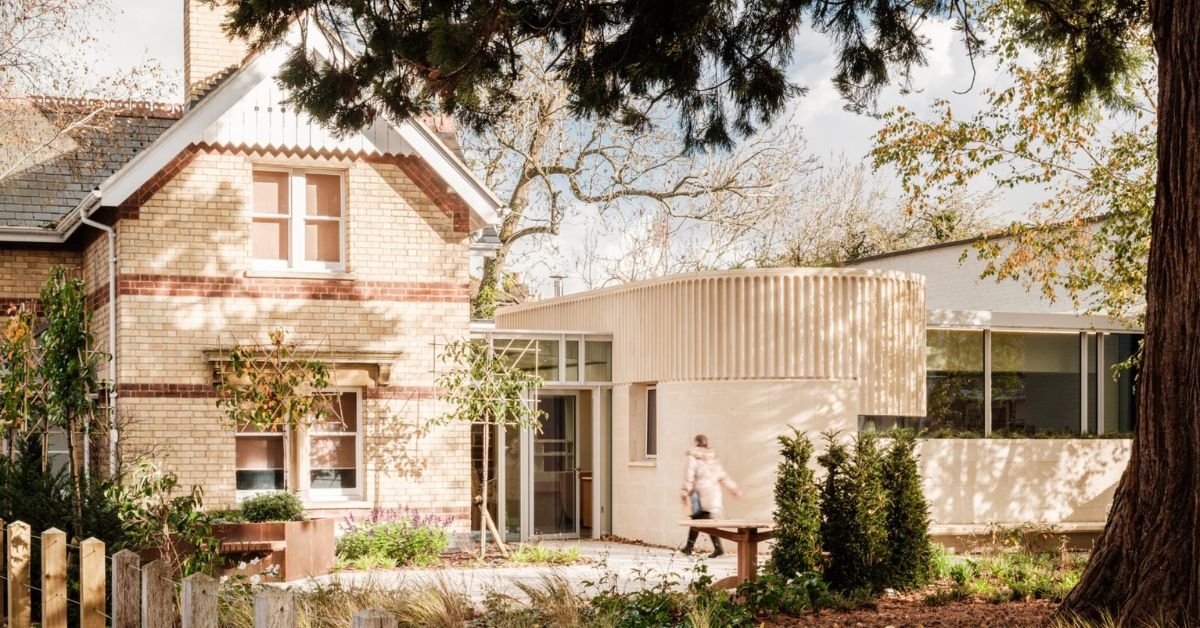
A cottage is a home of intimacy and charm, with pitched roofs and rustic details that carry a cosy atmosphere. The asymmetries in their form, sloping lines, and irregular layouts add to their character. This way of living might feel a little different from busy city life, but cottages still charm anyone who longs for slower, softer days.
Also Read – Top Earthquake-Resistant Buildings and Expert Tips for Designing Homes in Seismic Zones
Penthouse – Elevated Luxury
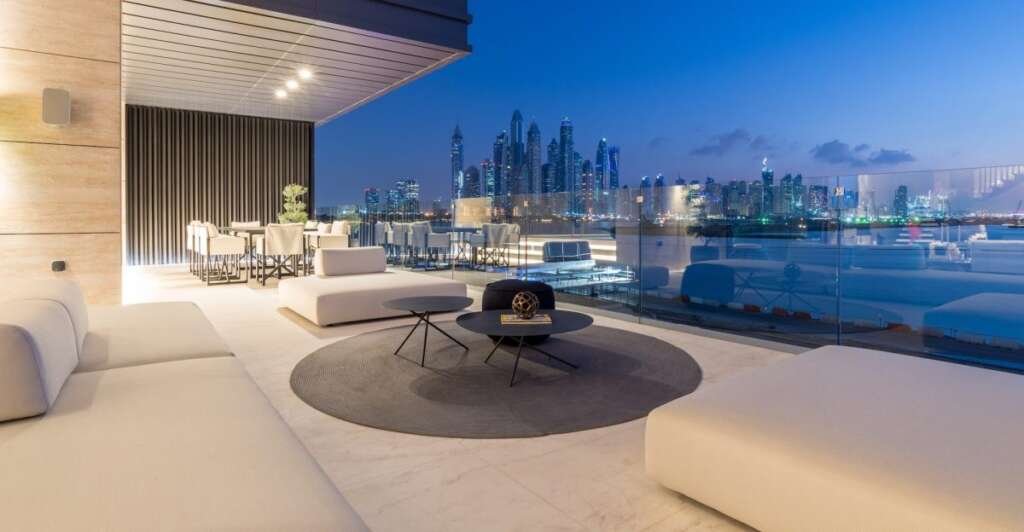
Penthouses crown the topmost floors of apartment buildings, with expansive layouts, private terraces, and panoramic views designed to impress. They blend the convenience of city life with exclusivity and luxury. At the same time, the premium cost and upkeep may feel like a dip in the balance between desire and practicality, but the freedom from being confined to smaller units makes them an aspirational choice for those who value status, privacy, and style.
Farmhouse – Life Close to Nature
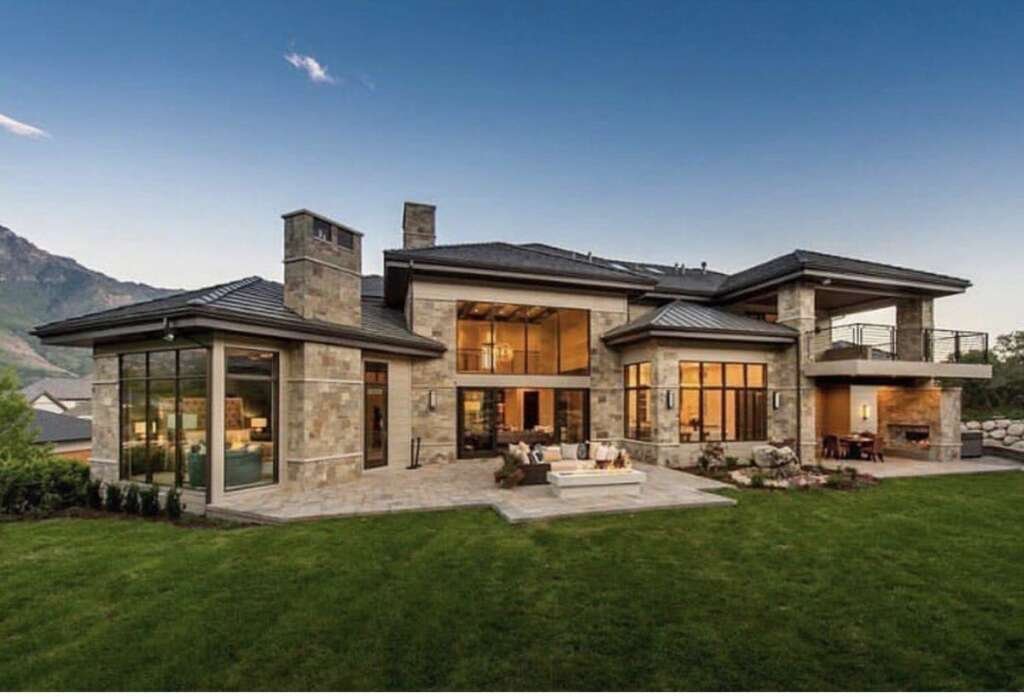
Farmhouses are typically built on large plots, surrounded by open land, gardens, or even small farms. They’re all about outdoor living, a bit of self-sufficiency, and staying closer to nature. Mostly utilised as second homes or weekend retreats, they do need regular upkeep, and being far from the city can be tricky at times. Still, for anyone craving peace, open space, and a life surrounded by greenery, they remain a dream come true.
How to Choose What’s Right for You
With so many options, the choice of house type can feel overwhelming. Here are a few factors that make the decision easier:
- Lifestyle Needs – Do you value convenience and community, as in the case of an apartment, or solitude and greenery that a farmhouse offers.
- Family Dynamics – If you have children or elderly parents to be taken care of, a bungalow or duplex might be practical.
- Budget and Maintenance – Villas and penthouses require higher investments, not just in buying but also in upkeep.
- Future Plans – Is this a starter home, or are you looking for a long-term investment that can grow with you?
- Location Realities – In cities, apartments and studios are more common; in suburban or rural areas, cottages and farmhouses shine.
Conclusion
Each house type is a reflection of its architectural intent: a bungalow prioritises accessibility, a villa celebrates space, a studio champions efficiency. Choosing a home is, in many ways, choosing a design philosophy. When you look beyond the walls and into the way each space shapes movement, light, privacy, and connection, you start to see your home as more than shelter; it becomes a framework for living well.



Join the discussion