

Ever started a renovation thinking it’ll be manageable, and then suddenly you’re making 20 decisions a day and living out of boxes? Home renovation conversations usually revolve around tiles, textures, lighting, and layouts. We plan budgets, consult architects and designers, browse mood boards, and watch before-and-after reels that compress weeks of hard work into 30 seconds of aesthetic bliss.
What we don’t talk about enough is how emotional the entire process can be.
Renovating a home seems exciting until the mess, choices, and emotions hit. You might cry over paint or argue over lights, but it’s all part of it. It’s not just your space that transforms; you do too. And when it’s done, you’ll feel proud of what you created and who you became.
Excitement That Quickly Turns into Overwhelm

It all starts with a spark. One too many evenings staring at the same walls, eating dinner at the same wobbly table, and you snap. We need a change. Not just a new cushion or lamp but a full-on reset. And just like that, the home renovation bug bites hard. The possibilities feel infinite, and there’s a genuine sense of joy in imagining what your space could become.
Then come the quotes. The delays. The decisions. The tenth conversation about whether you need mood lighting in the bathroom. Suddenly, the excitement is replaced with a strange kind of heaviness, a to-do list that never ends.
Renovation demands micro-decisions at every stage. From the tile grout colour to switchboard placement, it’s quite easy to feel decision fatigue. And that initial joy gets buried under dust, timelines, and supplier follow-ups.
Letting Go is Harder Than You Think

Most renovations begin with some kind of breaking, not just walls, but emotions, too. You might be letting go of a room where you grew up or a kitchen filled with family memories. These spaces hold more than furniture; they hold pieces of your life. Even if change is necessary, it can feel surprisingly personal. Watching it all come down stirs something in you because you’re not just saying goodbye to a structure, but to routines, memories, and moments that subtly shaped you.
The Frustration of Not Being in Control

No matter how well you plan, something will go off-schedule. That’s just the law of renovation. Tiles get delayed. Paint looks different in real light. The carpenter doesn’t show up. The wrong handles arrive. And no one, not even the most experienced project manager, can manage everything. This lack of control can feel utterly frustrating, all the more if you’re someone who thrives on structure. You’re spending money, time, and emotional energy, and yet, things are often out of your hands. It’s a test of patience you didn’t sign up for.
Tension Behind the Scenes

Turns out, updating your space can also shake things up between people. No one talks about that part. Partners can have different design tastes, budgeting priorities, or tolerance levels for mess and noise. Renovations can stir up more than dust. Families might argue over what to keep and what to let go. Even coordinating with contractors, designers, or workers can bring unexpected friction into the mix.
When the emotional temperature flares up, it’s easy to lose your cool. And mostly, an argument over something as small as cabinet handles becomes an outlet for fatigue, unspoken worries, and the pressure of getting everything right.
The Strange Guilt of Spending on Yourself

Spending on your home can feel deeply personal and sometimes, a little guilty. Even when it’s necessary, questions sneak in: “Was this too much?” “Could we have done it cheaper?” Especially in cultures where self-investment feels indulgent, that guilt lingers. The truth is, curating a space that nurtures your daily life, your comfort, and your growth isn’t selfish at all. It’s one of the most wonderful investments you can make.
The Strange Space Between the Old and New
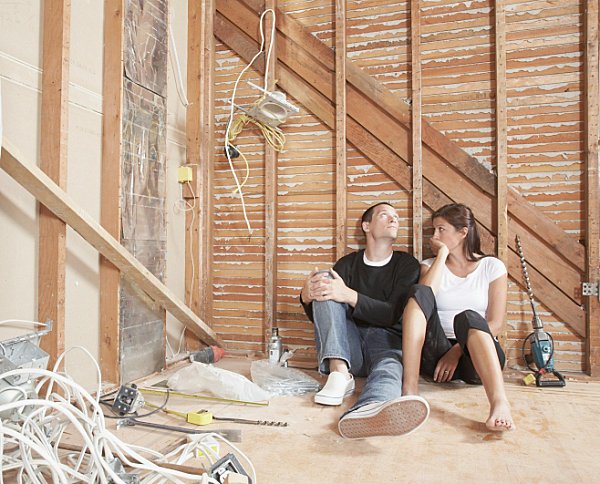
During renovation, your life is temporarily suspended. You might be living in a rented flat or a single corner of your home that isn’t under construction. Your routines are disrupted, your privacy compromised, and your mental space cluttered, quite literally.
This ‘in-between’ phase feels strangely grounding. You’re not in your old home anymore, and the new one doesn’t quite exist yet. You’re not rooted in any one place, and even if it’s temporary, that limbo can make you emotionally untethered.
The Unexpected High of Completion
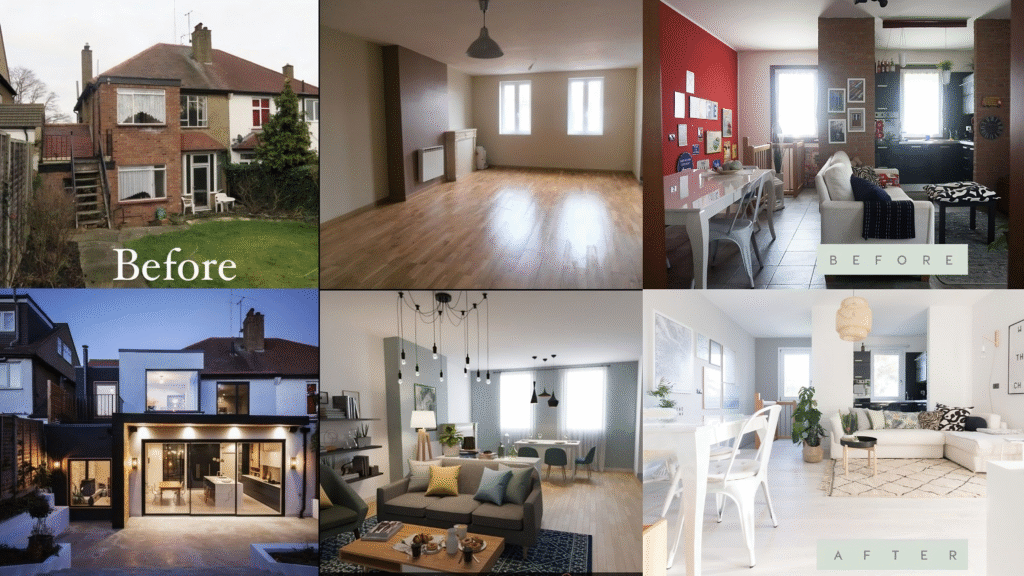
Then one day quietly, almost anticlimactically, it’s done. The dust settles. The final fittings are installed. The floor is cleaned. And you are finally standing in a space that once lived only in your imagination. And in that moment, a wave of emotion hits. Relief. Pride. Gratitude. Joy. Even a bit of disbelief. You realize it was worth it, not just for the aesthetics, but for what the journey taught you: resilience, clarity, patience, and the power of creating a home that reflects you.
Also Read – How Architects Can Combat Climate Change: Strategies for Sustainable Design
Smart Moves to Make Renovation Less Stressful
- Save One Spot from the Mess
Keep a corner clean, a bed, a chair, and a desk. You’ll need that little pocket of peace when everything else feels upside down.
- Stop Drowning in Choices
Don’t look at 20 tile samples. Pick 2–3 and move on. Less stress, fewer regrets.
- Assign Roles Clearly
If you’re renovating with a partner or family, divide responsibilities early, such as who handles materials, who speaks to contractors, etc. It deeply reduces stress and miscommunication.
- Expect 20% Extra in Budget and Time
Renovations rarely go exactly to plan. Expect delays and costs to stretch a bit. Build in buffers to protect your peace of mind.
- Keep a Reminder of Why You Started
Stick a note or photo somewhere visible. On hard days, it’ll help you remember what you’re building toward.
Conclusion
Home renovation is more than a makeover. It’s a deep human experience. It mirrors the emotional messiness of any big change full of discomfort, delays, decisions, and ultimately, discovery. So if you’re about to begin a home renovation journey, know this: it will get messy, not just your floors, but sometimes your mood too. You might cry over paint, panic over payments, and question every decision. But also know: you will grow through it.
And when the last nail is in place and the scent of fresh paint still lingers, you won’t just walk into a new home, you’ll walk into a new version of yourself.






Join the discussion