
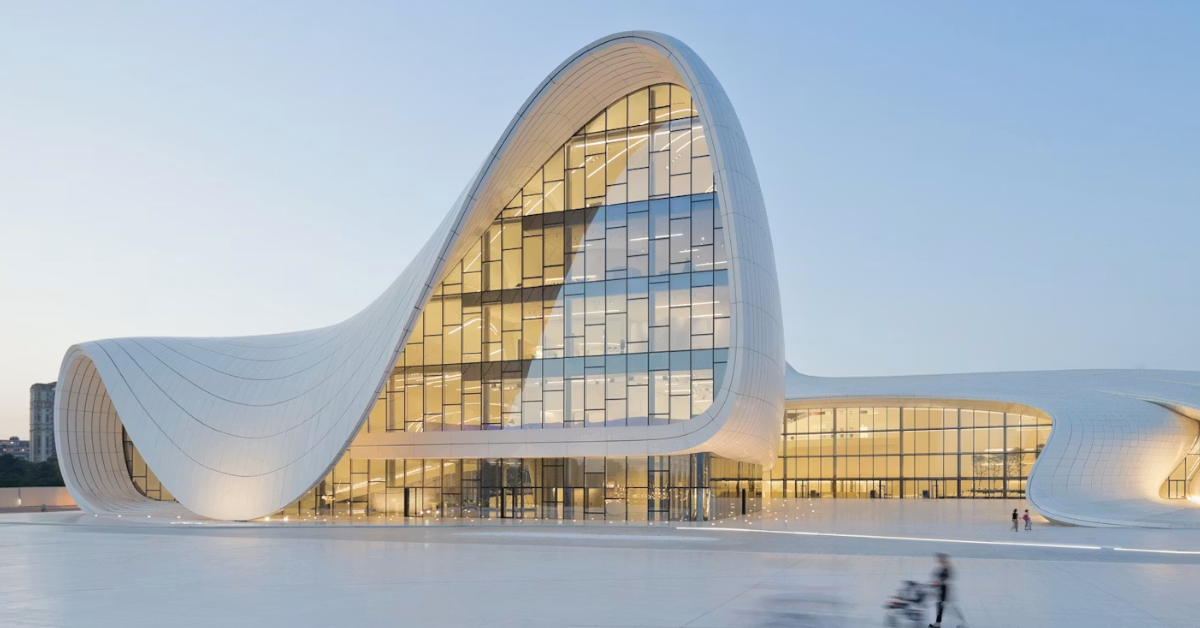
When people think of iconic contemporary architecture, Zaha Hadid’s Heydar Aliyev Center is often one of the first projects that comes to mind. Located in Baku, Azerbaijan, the Heydar Aliyev Center has become a global symbol of fluid architecture, innovative engineering, and modern urban identity. Unlike conventional buildings that rely on rigid geometry and sharp corners, this architectural masterpiece flows effortlessly across the landscape, creating an experience that feels almost sculptural.
Designed by the legendary architect Zaha Hadid, the Heydar Aliyev Center transformed not only the skyline of Baku but also the city’s global architectural reputation. Today, architects, designers, urban planners, and architecture enthusiasts study this remarkable project as one of the finest examples of parametric design, contemporary architecture, and organic architecture. Its seamless curves, uninterrupted surfaces, and bold engineering continue to inspire modern architecture across the world.
The Vision Behind Zaha Hadid’s Heydar Aliyev Center
The vision for the Heydar Aliyev Center was to create a cultural landmark that represented Azerbaijan’s aspirations for a modern future while respecting its rich cultural heritage. Instead of designing a traditional institutional building, Zaha Hadid imagined a structure that would eliminate the boundaries between architecture, landscape, and public space.
The building was conceived as a continuous flowing surface that rises naturally from the surrounding plaza. This design philosophy reflects fluid architecture, where walls, roofs, and ground merge into one continuous form. Rather than appearing as a separate object placed on the site, the Heydar Aliyev Center feels like it grows organically from the landscape itself.
This bold vision challenged conventional architectural thinking and proved that public buildings could become emotional, artistic, and inviting spaces rather than rigid monuments.
Fluid Architecture That Changed Contemporary Design
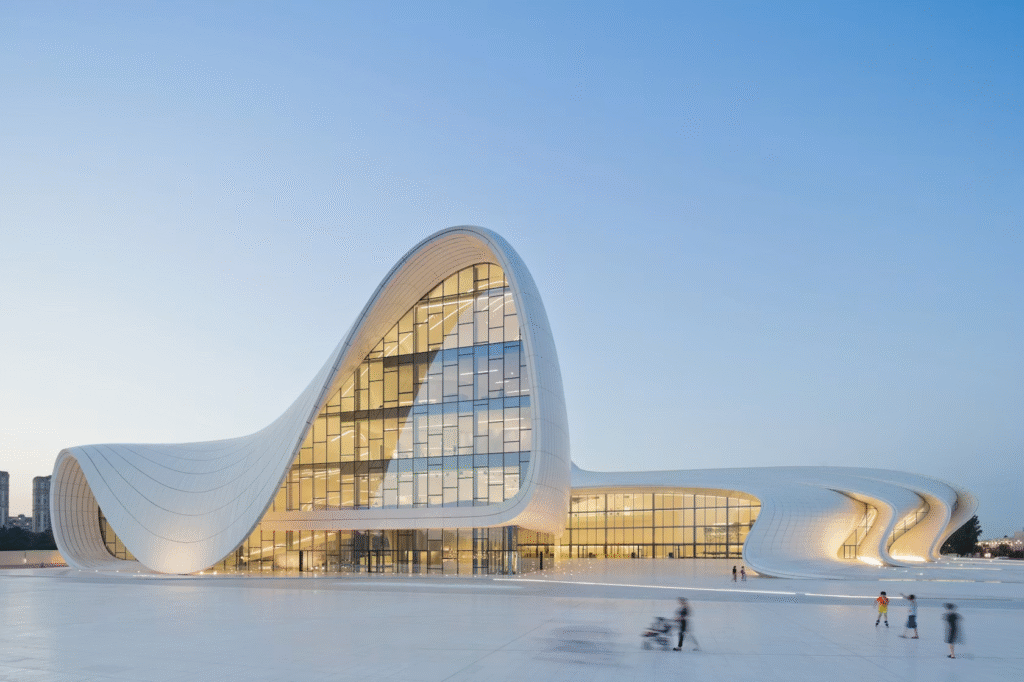
One of the defining characteristics of the Heydar Aliyev Center is its commitment to fluid architecture. Every curve, every transition, and every surface appears soft and continuous. There are almost no visible corners, making the building feel dynamic from every viewing angle.
Fluid architecture is not simply about creating curved buildings. It is about designing spaces that encourage movement, interaction, and emotional connection. At the Heydar Aliyev Center, visitors naturally flow through the plaza into the building without feeling the traditional separation between outside and inside.
This seamless experience has made the project one of the world’s most celebrated examples of organic architecture, parametric architecture, and future-focused architectural design. It demonstrates how architecture can shape human experience while redefining public space.
Also read – Top 10 Architectural Places to Visit in Italy
A New Symbol of Urban Identity for Baku
Before the construction of the Heydar Aliyev Center, Baku was already known for its historical architecture and growing skyline. However, the city wanted a landmark that represented innovation, creativity, and global ambition.
The Heydar Aliyev Center quickly became that symbol.
Rather than competing with older architecture, the building introduced a new chapter in Baku’s architectural identity. Today, it serves as one of Azerbaijan’s most recognizable landmarks, attracting tourists, architects, photographers, and students from around the world.
Its presence has helped establish Baku as an emerging destination for contemporary architecture. The building demonstrates how iconic public architecture can reshape international perception while strengthening local cultural identity.
How Engineering Made the Impossible Possible
Behind the elegant appearance of the Heydar Aliyev Center lies an extraordinary engineering achievement. Designing such a complex structure required close collaboration between architects, structural engineers, digital modelers, and construction specialists.
The building’s steel space frame creates the structural backbone that allows the sweeping curves to remain both lightweight and structurally efficient. Advanced digital modeling software played a crucial role in translating Zaha Hadid’s ambitious sketches into buildable forms.
Thousands of uniquely manufactured panels cover the exterior, ensuring the building maintains its smooth appearance despite its highly complex geometry. Every curve was carefully calculated, proving that modern architecture increasingly depends on digital technology and engineering innovation.
Seamless Interiors That Continue the Architectural Story
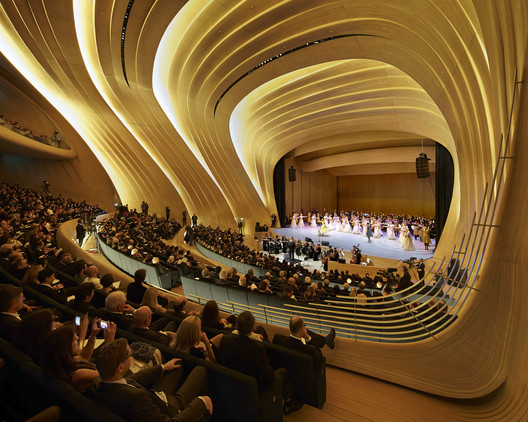
The beauty of the Heydar Aliyev Center does not stop at its exterior. Inside, the fluid architectural language continues through sweeping staircases, curved walls, open galleries, and interconnected public spaces.
Instead of traditional rooms separated by rigid corridors, visitors experience an uninterrupted spatial journey. Natural light flows throughout the interiors, enhancing the white surfaces and emphasizing the building’s sculptural qualities.
The interior houses exhibition spaces, museums, conference halls, and cultural facilities that encourage public engagement. Every space has been designed to support flexibility while maintaining the visual continuity that defines the entire project.
Materials That Create Elegance and Simplicity
Although the Heydar Aliyev Center appears visually simple, achieving this level of elegance required highly sophisticated materials and construction techniques.
The exterior combines glass-fiber reinforced concrete and glass-fiber reinforced polyester panels to achieve smooth curves with exceptional durability. These materials allow the building’s continuous skin to maintain its clean appearance while adapting to the changing geometry across the structure.
Large glass façades further enhance transparency, allowing daylight to illuminate the interiors while strengthening the relationship between architecture and the surrounding public plaza.
The careful selection of materials demonstrates how innovative construction technology supports ambitious architectural ideas without compromising visual beauty.
Public Space That Invites Everyone
One reason the Heydar Aliyev Center has become such a successful urban landmark is its relationship with public space. Unlike many monumental buildings that create barriers between people and architecture, this project actively welcomes visitors.
The expansive plaza surrounding the building functions as an extension of the architecture itself. Families, tourists, photographers, and local residents gather here throughout the day, making the site an active civic destination rather than simply a cultural institution.
The flowing landscape encourages walking, relaxation, and exploration. This integration between architecture and urban design reflects one of Zaha Hadid’s greatest strengths, creating buildings that enhance public life rather than dominate it.
Why the Heydar Aliyev Center Became an Architectural Icon
There are many reasons why the Heydar Aliyev Center consistently appears in discussions about the world’s greatest contemporary buildings.
Its groundbreaking design challenged architectural conventions by replacing rigid geometry with flowing forms. Its engineering pushed construction technology to new limits. Its cultural significance helped redefine Baku’s global identity. Most importantly, it demonstrated that architecture could evoke emotion while remaining highly functional.
The project has received numerous international awards and continues to be studied in architecture schools across the world. It represents the perfect balance between artistic vision, structural innovation, digital design, and cultural expression.
Few buildings have influenced modern architecture as profoundly as the Heydar Aliyev Center.
Zaha Hadid’s Legacy Lives Through This Masterpiece
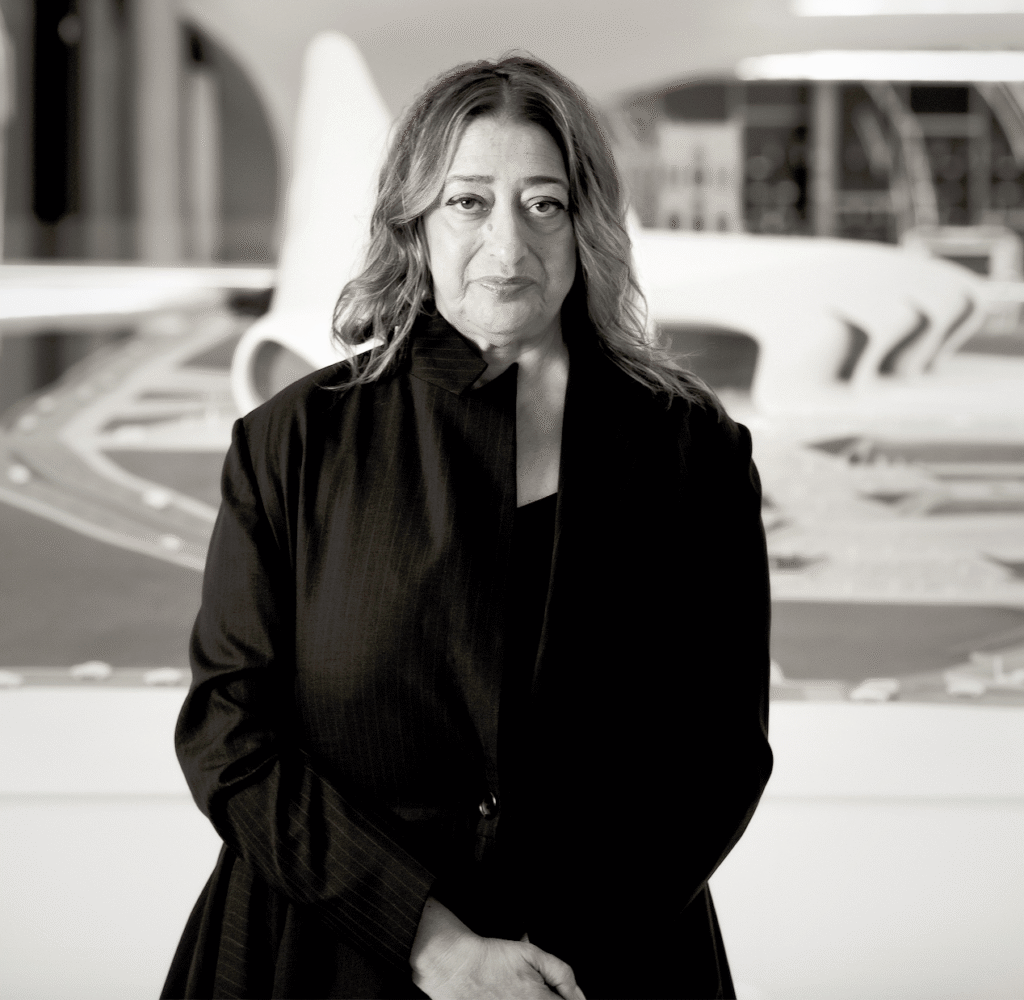
Throughout her career, Zaha Hadid consistently challenged conventional architectural thinking. The Heydar Aliyev Center stands as one of the clearest expressions of her philosophy that architecture should be dynamic, expressive, and deeply connected to people.
Her pioneering use of computational design, fluid geometry, and advanced engineering transformed how architects approach complex forms. Many of today’s leading firms continue to draw inspiration from the ideas demonstrated in this landmark project.
Even years after its completion, the building remains a benchmark for future architecture, parametric design, organic forms, and innovative public architecture. It proves that visionary design can influence cities, cultures, and generations of architects.
The Lasting Impact of Fluid Architecture on Cities
The success of the Heydar Aliyev Center extends far beyond its striking appearance. It has influenced how cities around the world think about cultural buildings, public spaces, and urban branding. Increasingly, governments and developers recognize that iconic architecture can become a catalyst for tourism, investment, and civic pride.
The project also highlights the growing importance of digital architecture, computational design, and sustainable urban planning in shaping future cities. While technology made the building possible, its true achievement lies in creating meaningful public experiences that connect people with architecture.
As cities continue to evolve, projects like the Heydar Aliyev Center demonstrate that architecture can be both technologically advanced and emotionally engaging.
Conclusion
Zaha Hadid’s Heydar Aliyev Center is far more than an architectural landmark, it is a powerful example of how fluid architecture, urban identity, contemporary design, and engineering innovation can come together to transform a city. Its seamless curves, inviting public spaces, advanced structural design, and cultural significance have made it one of the most influential buildings of the 21st century.
Today, the Heydar Aliyev Center continues to inspire architects, urban designers, engineers, and design enthusiasts around the globe. It reminds us that architecture is not just about constructing buildings; it is about creating experiences, shaping identities, and inspiring future generations. As one of Zaha Hadid’s greatest masterpieces, the Heydar Aliyev Center remains a timeless symbol of creativity, innovation, and the limitless possibilities of modern architecture.

Join the discussion