
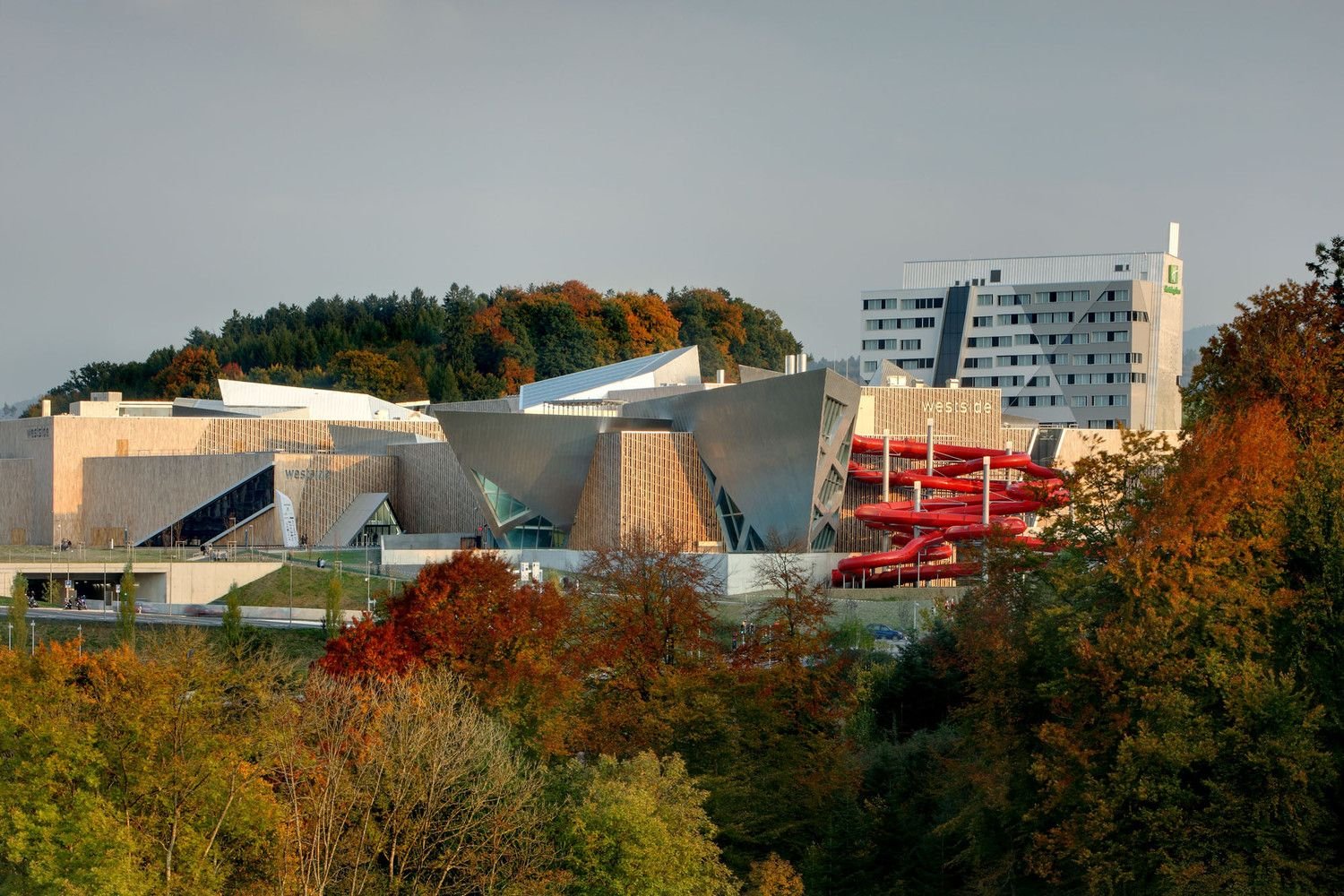
Modern architecture has transformed the way cities look, buildings function and people experience their surroundings. From impressive skyscrapers and contemporary residential projects to large commercial developments, modern design has introduced new possibilities through technology, materials and innovative construction methods.
However, not every modern building successfully responds to the needs of the people who use it. In some cases, architectural projects prioritise visual appearance, commercial interests and construction efficiency while overlooking social needs, cultural identity and environmental responsibility.
Architecture is not simply about creating attractive structures. It is also about designing spaces that support communities, improve everyday experiences and respond to their surroundings.
Let’s explore five major failures of modern architecture and understand why a more human-centred approach is important for the future of the built environment.
1. The Loss of Social Connection in Modern Architecture
One of the major criticisms of modern architecture is its failure to create meaningful social connections in certain developments.
Many contemporary buildings are designed around private spaces, commercial activities and individual convenience. As a result, opportunities for interaction between neighbours and members of the community can become limited.
For example, large residential complexes with restricted common areas, poorly designed public spaces and disconnected pedestrian pathways may make residents feel isolated.
Traditional neighbourhoods often included courtyards, streets, community squares and shared spaces where people naturally interacted. When these elements are ignored, architecture can contribute to a weaker sense of belonging.
How can this be improved?
- Create accessible community spaces and shared courtyards.
- Design pedestrian-friendly streets and pathways.
- Include public seating and recreational areas.
- Encourage interaction through mixed-use developments.
- Consider the needs of different age groups and communities.
Architecture should bring people together rather than create unnecessary physical and social barriers.
2. Ignoring Cultural Identity and Local Context
Modern architecture sometimes adopts similar design approaches across different cities and countries without considering local traditions, climates and cultural identities.
Glass facades, concrete structures and standardised building forms can create visually impressive developments. However, when these designs ignore their surroundings, buildings may lose their connection with the places in which they are constructed.
Every region has its own architectural history, traditional materials, construction techniques and environmental conditions. These elements contribute to the identity of a place.
For instance, traditional Indian architecture has historically responded to local climates through courtyards, verandahs, shaded openings and natural ventilation. Ignoring these principles in favour of unsuitable design solutions can reduce both cultural relevance and environmental comfort.
How can this be improved?
- Study local architectural traditions before designing.
- Use regionally appropriate materials where suitable.
- Consider local climate and environmental conditions.
- Respect the cultural character of surrounding neighbourhoods.
- Combine traditional architectural knowledge with contemporary design.
Modern architecture does not need to reject tradition. It can develop new ideas while respecting the identity of its surroundings.
3. Environmental Impact of Contemporary Building Designs
Another important concern is the environmental impact of modern construction.
Buildings require significant quantities of materials, energy and water throughout their construction and operational life. Materials such as concrete, steel and glass can have considerable environmental impacts depending on how they are produced, transported and used.
Poorly planned buildings may also depend heavily on artificial lighting, mechanical ventilation and air conditioning. This can increase energy consumption and operational costs.
The environmental performance of a building should therefore be considered from the early design stage rather than treated as an additional feature.
How can this be improved?
- Select materials with lower environmental impacts.
- Improve natural lighting and ventilation.
- Incorporate energy-efficient building systems.
- Consider renewable energy where practical.
- Use water-efficient fixtures and rainwater harvesting.
- Design buildings for durability, maintenance and reuse.
Sustainable architecture focuses on reducing environmental impact while creating comfortable and functional spaces for occupants.
4. Prioritising Aesthetics Over Human Needs
A visually striking building may attract attention, but appearance alone does not determine architectural success.
Some buildings prioritise dramatic shapes, unusual facades and impressive interiors without adequately considering comfort, accessibility and everyday functionality.
For example, a building with insufficient natural light, poor circulation, uncomfortable indoor temperatures or inaccessible entrances may create difficulties for its users despite having an attractive exterior.
Good architecture should balance visual appeal with practical requirements.
How can this be improved?
- Understand how people will use the building.
- Provide comfortable lighting and ventilation.
- Include accessible entrances, lifts and pathways.
- Plan circulation spaces carefully.
- Select materials that support comfort and long-term maintenance.
- Involve users and stakeholders during the design process.
Human-centred architecture places people’s experiences at the centre of design decisions.
5. Poor Urban Planning and Disconnected Spaces
Individual buildings do not exist independently of their surroundings. Their success also depends on how they connect with streets, transport networks, public spaces and neighbouring developments.
Poor urban planning can result in traffic congestion, limited pedestrian access, overcrowded infrastructure and a lack of accessible green spaces.
For example, developments located far from public transportation may increase dependence on private vehicles. Similarly, poorly connected public spaces can discourage walking and reduce opportunities for community interaction.
Architecture and urban planning must therefore work together to create more connected and liveable cities.
How can this be improved?
- Encourage walkable neighbourhoods.
- Improve connections with public transportation.
- Include accessible parks and public spaces.
- Support mixed-use developments.
- Plan infrastructure according to community needs.
- Consider long-term urban growth and population changes.
Well-planned cities require buildings that contribute positively to the larger urban environment.
The Importance of Ethical and Human-Centred Architecture
The challenges associated with modern architecture highlight the importance of responsible design decisions.
Architects have a responsibility to consider more than the visual appearance of a project. Their decisions influence how people interact, how communities develop and how natural resources are used.
Ethical architecture considers social inclusion, environmental responsibility, cultural sensitivity, accessibility and long-term functionality.
A successful architectural project should respond to the needs of its users while respecting the environment and the surrounding community.
This approach encourages architects and designers to ask important questions before beginning a project:
- Does the design respond to the needs of its users?
- Does it respect the local culture and environment?
- Is the building accessible and comfortable?
- Does it contribute positively to the surrounding neighbourhood?
- Can it adapt to future requirements?
Answering these questions can help create buildings that offer lasting value beyond their appearance.


Join the discussion