
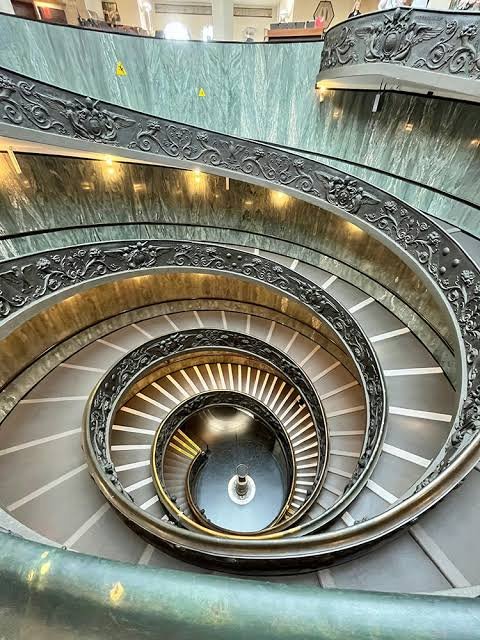
Architecture is more than the construction of walls, roofs, doors and windows. Every building tells a story through its design, materials, proportions, structure and relationship with its surroundings. Architectural photography brings these stories to life by capturing the visual character and experience of built environments.
From historic monuments and traditional homes to contemporary skyscrapers and innovative interior spaces, architectural photography allows people to appreciate buildings beyond their physical appearance.
A well-composed photograph can highlight the beauty of a façade, reveal the relationship between light and shadow, showcase intricate details and communicate the original design vision of an architect.
Today, architectural photography plays an important role in architecture, interior design, real estate, construction, design publications and visual communication. It helps architects present their projects, enables designers to document their work and allows audiences to experience remarkable buildings from anywhere in the world.
Let’s explore how architectural photography captures the soul of a building and the techniques that make architectural images meaningful.
1. What Is Architectural Photography?
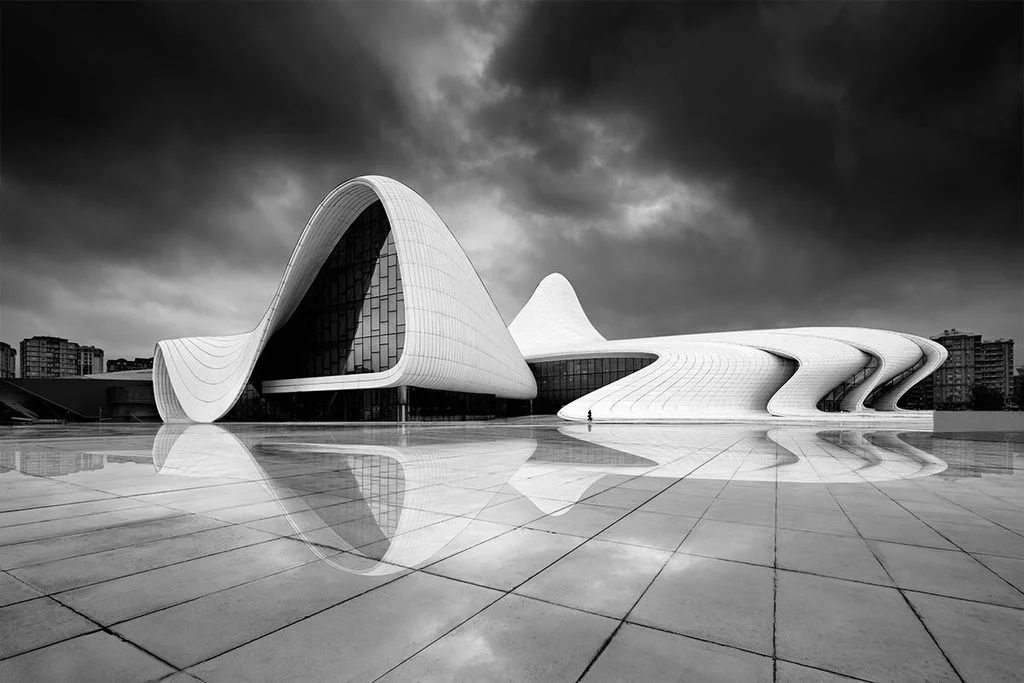
Image credit: monoawards.com
Architectural photography is the art and practice of photographing buildings, structures and interior spaces to communicate their design, appearance, functionality and character.
Unlike ordinary photography, it requires careful attention to architectural geometry, perspective, lighting, composition and materials.
The objective is not simply to take a picture of a building. It is to present the architect’s design intention and show how different elements work together.
Architectural photography generally includes three major categories:
Exterior architectural photography: Focuses on building façades, structural forms, landscapes, surrounding environments and overall architectural appearance.
Interior architectural photography: Captures indoor spaces, furniture arrangements, materials, lighting, spatial planning and interior details.
Architectural detail photography: Highlights smaller design elements such as columns, staircases, window patterns, textures, decorative features and construction details.
Together, these approaches create a complete visual understanding of an architectural project.
2. Why Is Architectural Photography Important?
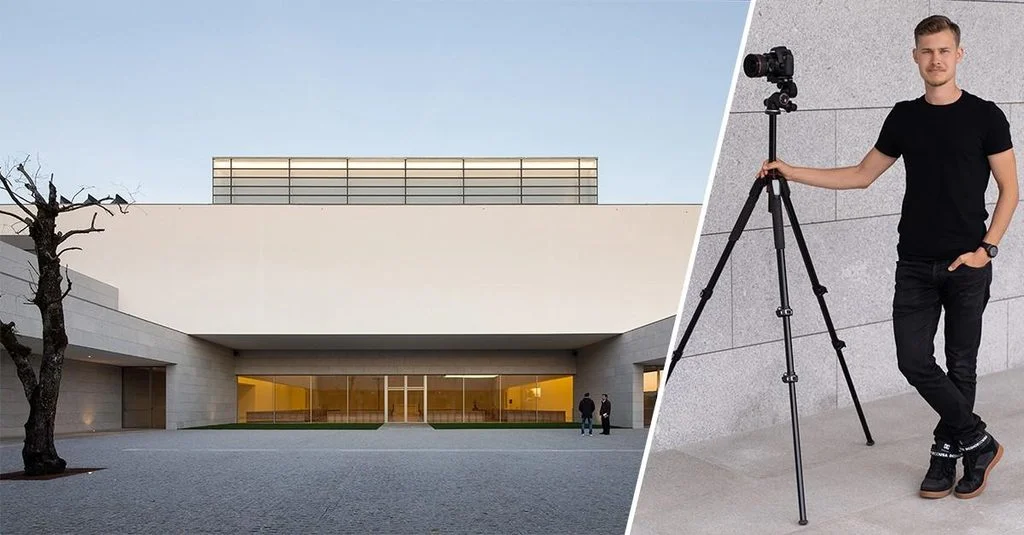
Image credit: idealista.pt
Architectural photography is an important tool for communicating design ideas and documenting the built environment.
Here are some reasons why it matters.
A. Showcases Architectural Creativity
Every architectural project has unique characteristics, whether it is an innovative structural system, a distinctive façade or an interesting combination of materials.
Photography helps communicate these creative decisions to viewers who may never visit the actual building.
B. Documents Architectural History
Photographs preserve the appearance of buildings across different periods. They provide visual records of historic monuments, traditional construction techniques and contemporary architectural developments.
C. Supports Architects and Interior Designers
Architects and interior designers use professional photographs to present completed projects, update portfolios, attract clients and communicate their design approach.
D. Helps in Marketing and Brand Building
High-quality architectural photographs are valuable for architecture firms, real estate developers, construction companies, design magazines and property publications.
E. Communicates the Experience of a Space
A photograph can communicate how natural light enters a room, how people interact with a public space and how a building relates to its surroundings.
3. Essential Elements of Architectural Photography
Creating an effective architectural photograph requires more than an expensive camera. Several visual elements influence the quality and impact of the final image.
A. Composition
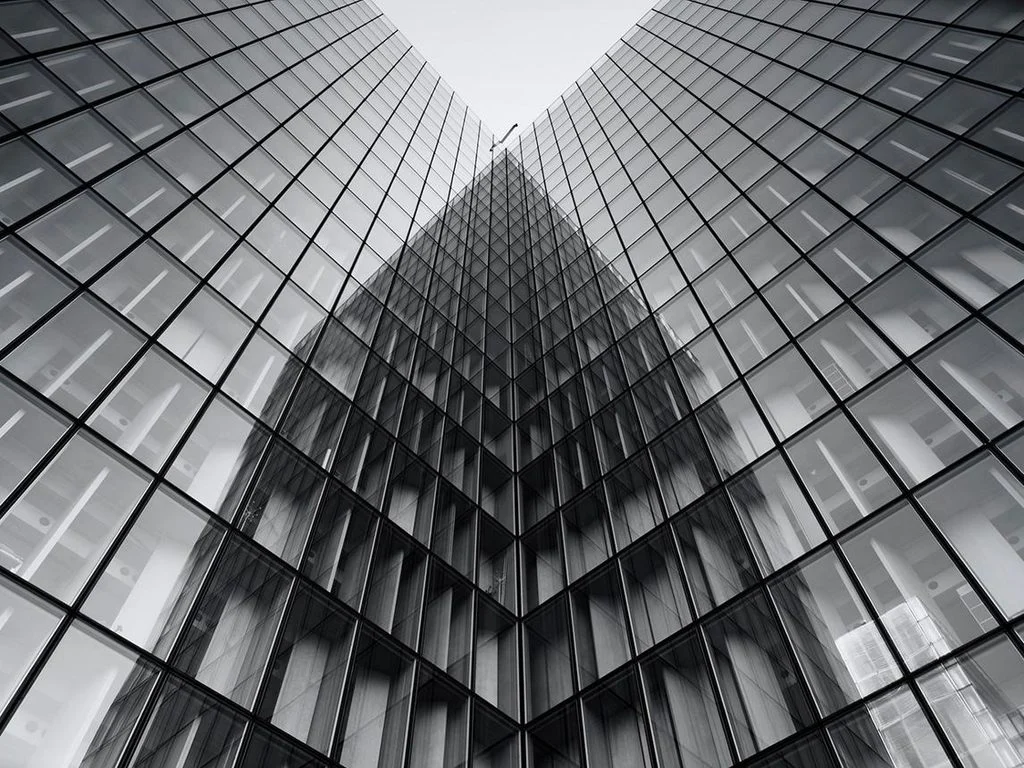
Image credit: andresgallardo.photography
Composition refers to how different elements are arranged within a photograph.
Architectural photographers use techniques such as symmetry, the rule of thirds, leading lines and framing to create visually balanced images.
For example, photographing a symmetrical building from the centre can highlight its proportions, while capturing it from an angled position can reveal depth and dimension.
B. Lighting
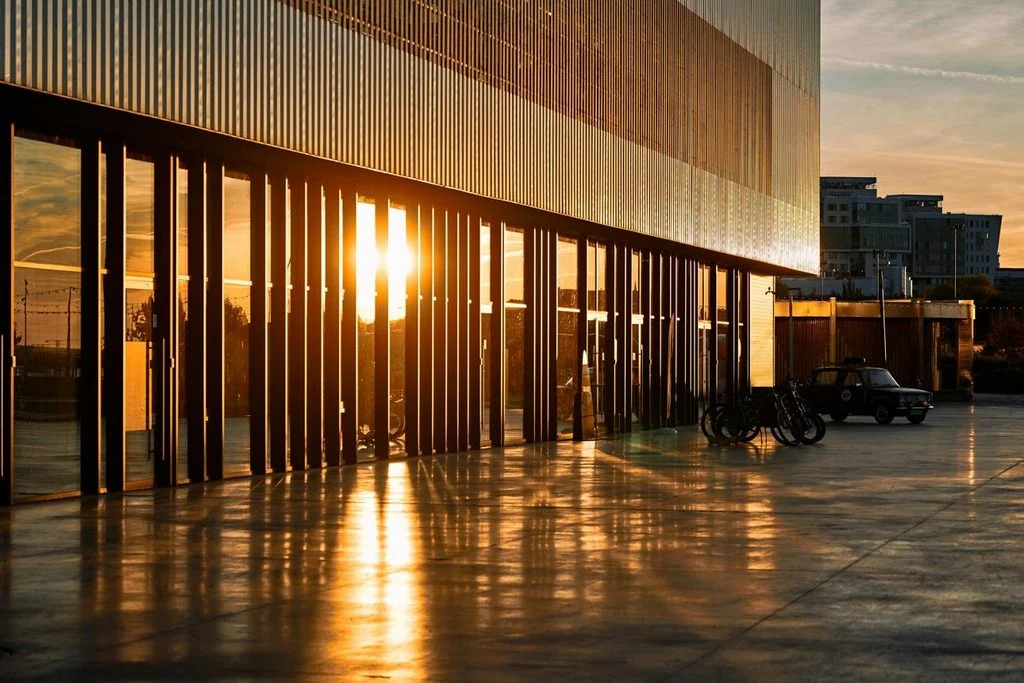
Image credit: unsplash.com
Lighting plays a major role in architectural photography because it changes how buildings appear.
Different lighting conditions create different visual effects:
- Golden hour: Warm sunlight highlights building textures and creates softer shadows.
- Blue hour: The period around twilight can create an attractive balance between the illuminated building and the surrounding sky.
- Natural daylight: Helps reveal the colours, materials and architectural details of a structure.
- Night photography: Highlights artificial lighting, illuminated façades and the relationship between buildings and their urban surroundings.
The photographer should select the lighting conditions according to the building’s design and the story they want to communicate.
C. Perspective and Angles
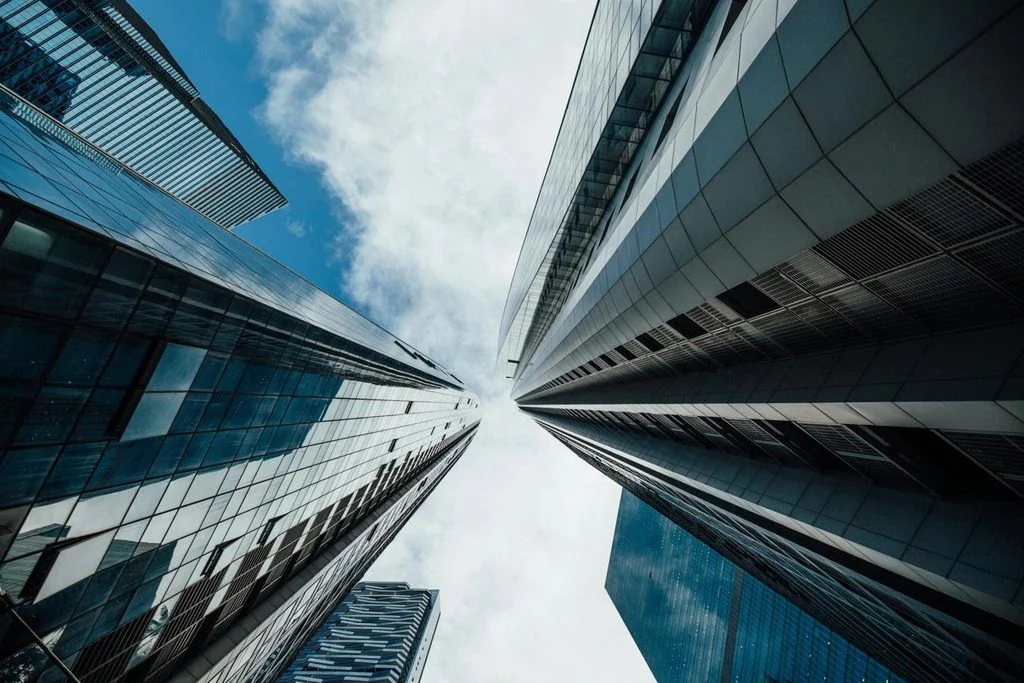
Image credit: unsplash.com
Perspective influences how viewers understand the size, shape and proportions of a building.
A front-facing photograph can highlight symmetry, while a three-quarter angle can reveal multiple façades and create a sense of depth.
Photographers also use elevated viewpoints and low-angle compositions to communicate scale.
For professional architectural photography, keeping the camera level helps prevent unwanted converging vertical lines. Tilt-shift lenses or careful perspective correction during editing can help maintain natural-looking proportions.
D. Textures and Materials
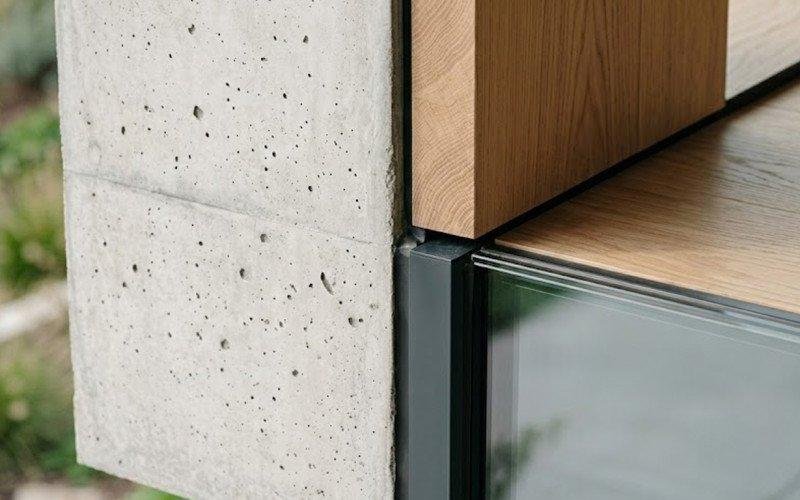
Image credit: nakshastore.com
Materials are an essential part of architectural design. Concrete, glass, timber, brick, stone and metal each have distinctive textures and surface qualities.
Close-up architectural photography helps communicate these details.
The direction of light can also reveal the texture of a surface, making materials appear more visually interesting.
E. Scale and Human Interaction
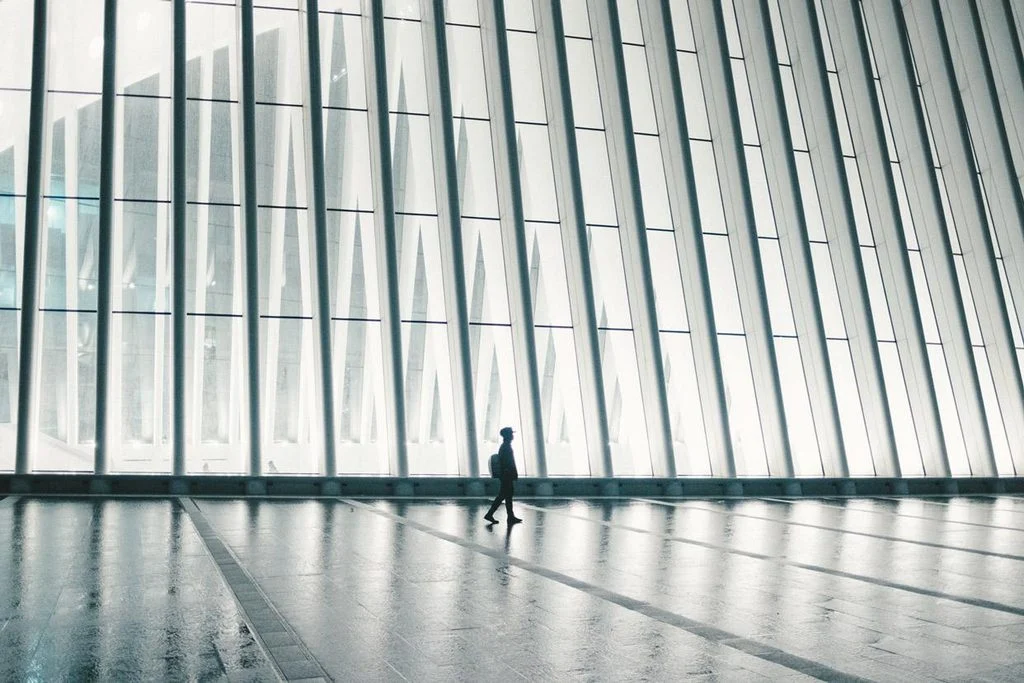
Image credit: explorest.com
Including people in architectural photographs can help viewers understand the scale and functionality of a building.
For example, a person walking through a large atrium can communicate the height and openness of the space.
Human activity can also show how architecture supports everyday experiences.
4. Essential Equipment for Architectural Photography
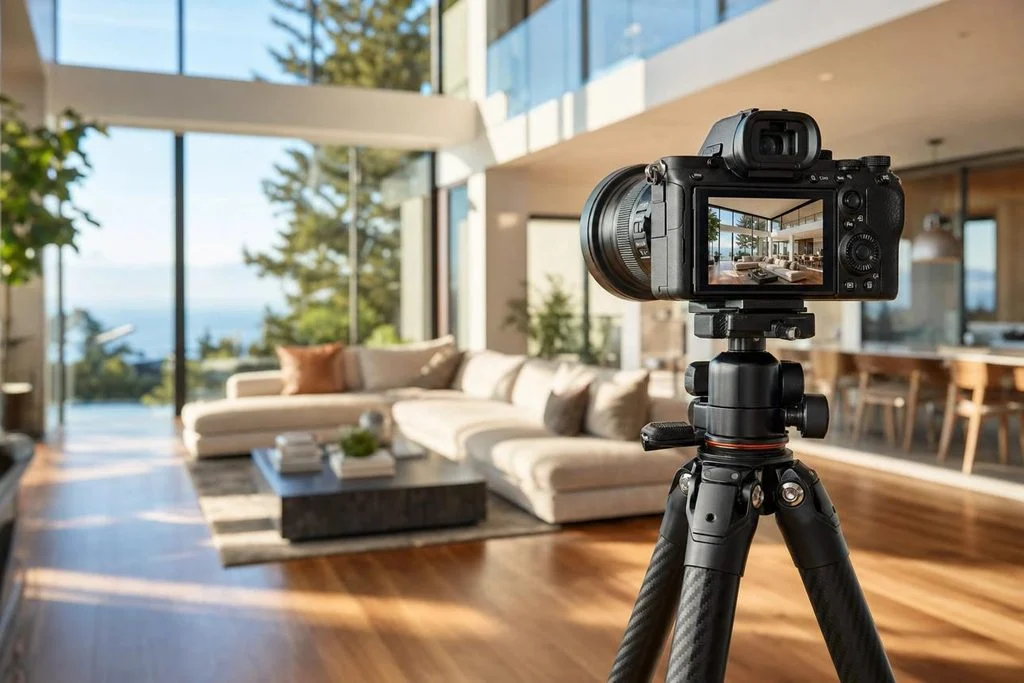
Image credit: plotpane.com
Professional results depend on technique and planning, but suitable equipment can make architectural photography easier.
Some useful equipment includes:
| Equipment | Purpose |
|---|---|
| DSLR or mirrorless camera | Captures high-quality architectural images |
| Wide-angle lens | Captures larger buildings and interior spaces |
| Tilt-shift lens | Helps control perspective and converging verticals |
| Tripod | Provides stability and consistent framing |
| Polarising filter | Helps manage reflections and glare |
| Remote shutter | Reduces camera movement |
| Editing software | Supports colour, exposure and perspective corrections |
A photographer does not need every piece of equipment to get started. Understanding composition, light and perspective is more important than simply purchasing expensive camera gear.
5. Famous Architectural Projects That Inspire Photography
Architectural landmarks offer excellent examples of how photography can communicate the character of a building.
A. Taj Mahal, India
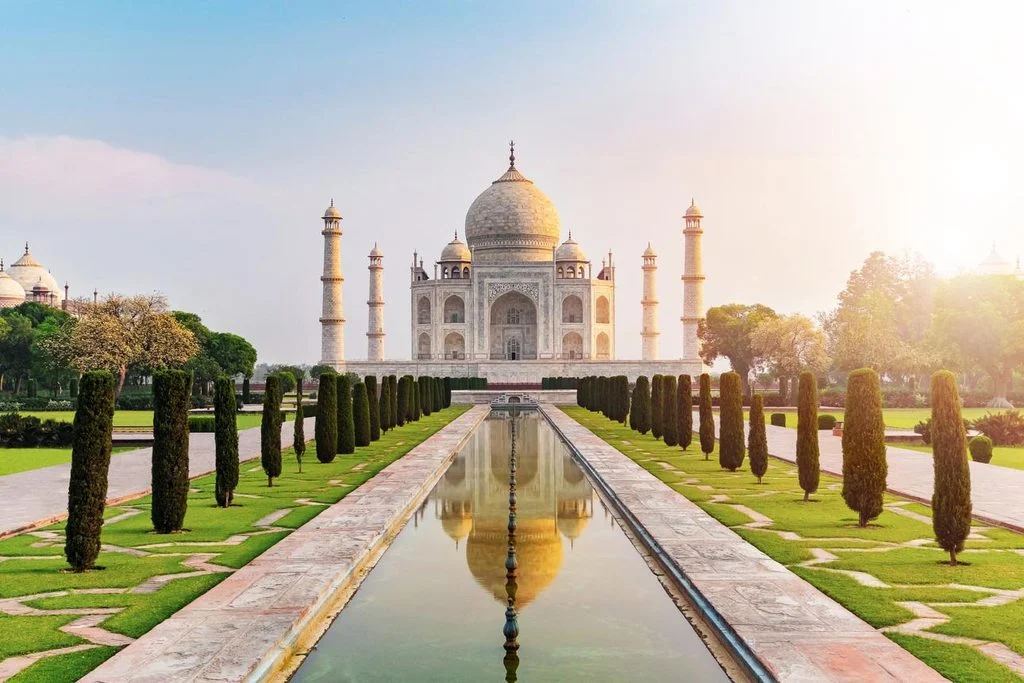
The Taj Mahal is a remarkable example of symmetry, proportion and Mughal architecture.
Its white marble surfaces, central dome, minarets and landscaped surroundings create opportunities for different photographic compositions.
Photographers often capture the monument using reflections in the water, symmetrical framing and early morning light.
Photography lesson: Symmetry and natural lighting can emphasise architectural balance and visual harmony.
B. Eiffel Tower, France
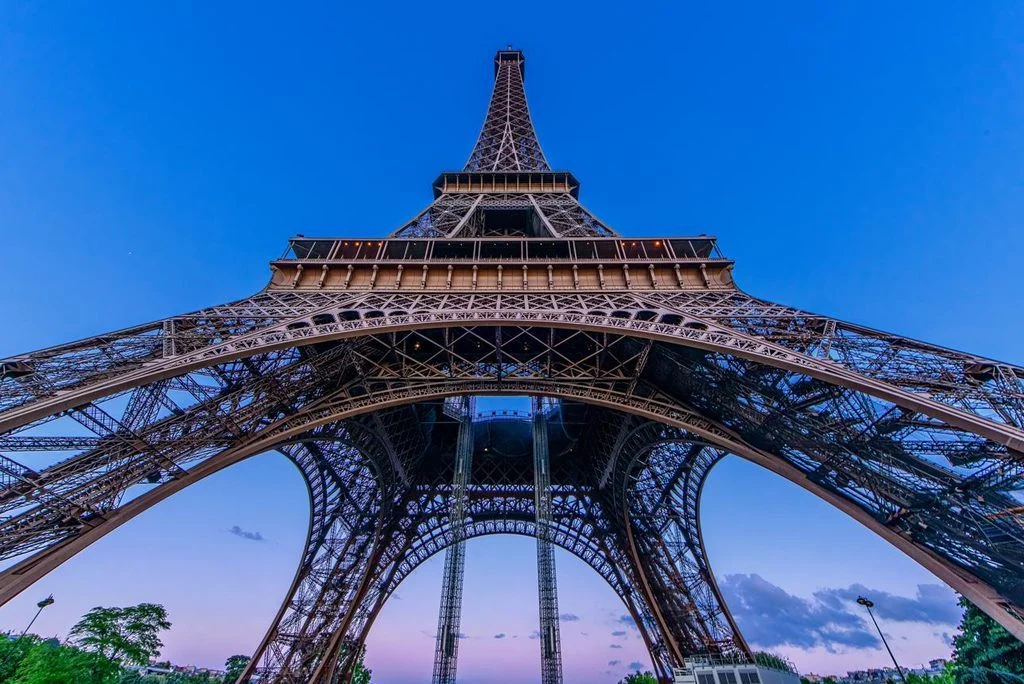
The Eiffel Tower offers a different photographic experience through its iron lattice framework.
Its intricate structural details, repeating geometric patterns and impressive height make it an excellent subject for architectural detail and perspective photography.
Photographers capture it through wide-angle views, close-up structural compositions and illuminated night scenes.
Photography lesson: Interesting viewpoints and attention to structural details can make even a globally recognised landmark look different.
C. Sydney Opera House, Australia
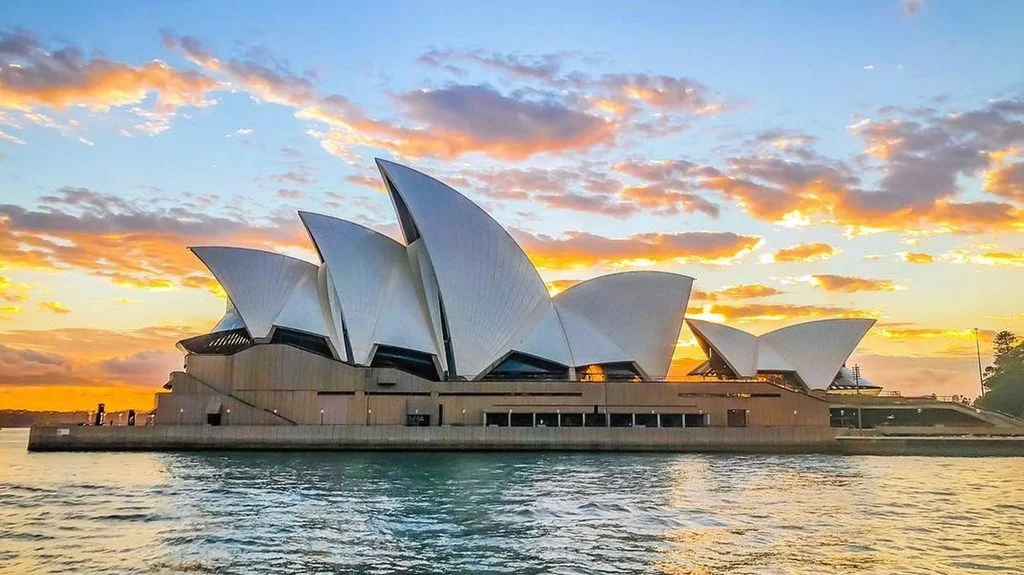
Image credit: luxuryescapes.com
The Sydney Opera House is recognised for its distinctive shell-like roof structures and waterfront setting.
Its curved forms create opportunities to experiment with angles, shadows, reflections and close-up compositions.
Photography lesson: Architectural photography can highlight the relationship between a building’s form and its natural surroundings.
D. Fallingwater, USA
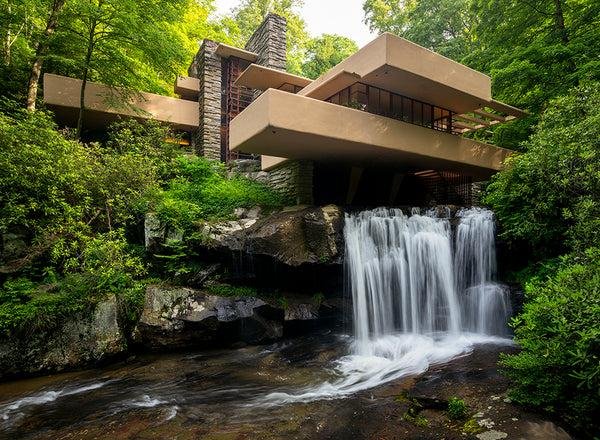
Image credit: fallingwatermuseumstore.org
Designed by architect Frank Lloyd Wright, Fallingwater is an influential example of architecture integrated with nature.
Its cantilevered terraces, natural stone and relationship with the waterfall make it a particularly interesting subject for architectural photography.
Photography lesson: Capturing the surrounding landscape alongside the building can communicate the architectural concept more effectively.
6. Architectural Photography Techniques for Beginners
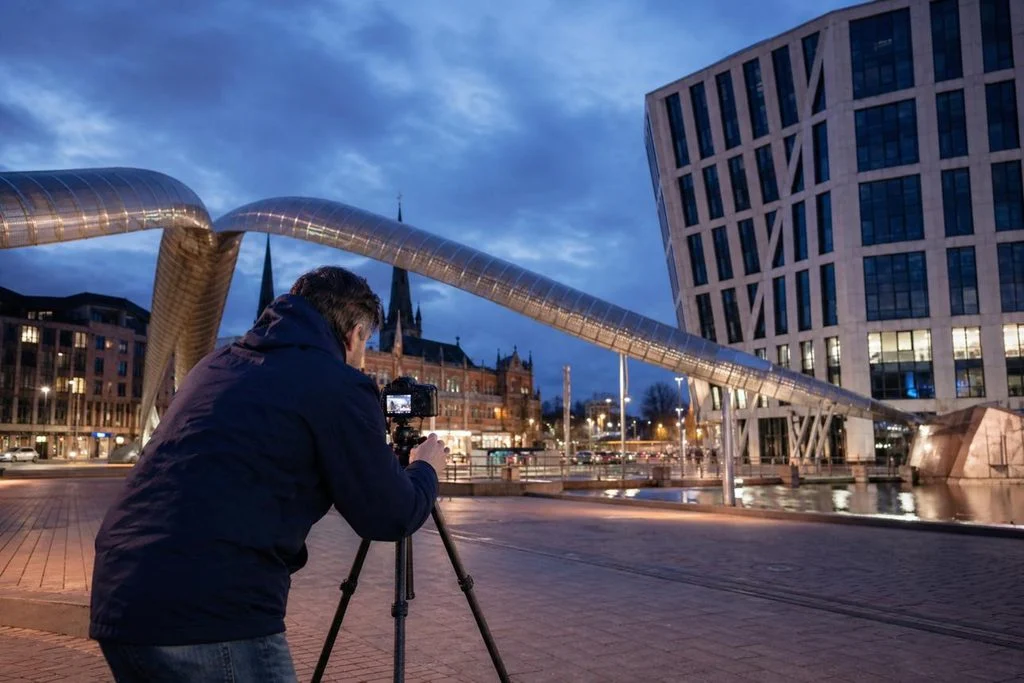
Image credit: alanranger.com
Anyone interested in architectural photography can improve their skills by practising a few basic techniques.
1. Study the Building Before Photographing
Observe the building’s structure, materials, design features and surroundings before selecting a camera position.
2. Experiment with Different Angles
Photograph the same building from different viewpoints. Compare frontal, side, low-angle and elevated compositions.
3. Use Natural Light Effectively
Visit the location at different times of the day to understand how sunlight and shadows affect the building.
4. Keep Vertical Lines Under Control
Pay attention to columns, walls and building edges. Keep the camera level when straight verticals are important.
5. Focus on Architectural Details
Do not photograph only the complete building. Capture interesting elements such as staircases, windows, railings, textures and façade patterns.
6. Avoid Unnecessary Clutter
Remove distracting objects from the frame where possible. Keep the focus on the architectural subject.
7. Practise Basic Photo Editing
Use editing tools to correct exposure, contrast, colour balance and perspective while preserving the building’s actual appearance.
These techniques help beginners develop a stronger understanding of architectural photography and visual storytelling. TAMRON Photo Site for photgraphic lenses+2
7. The Role of Technology in Modern Architectural Photography
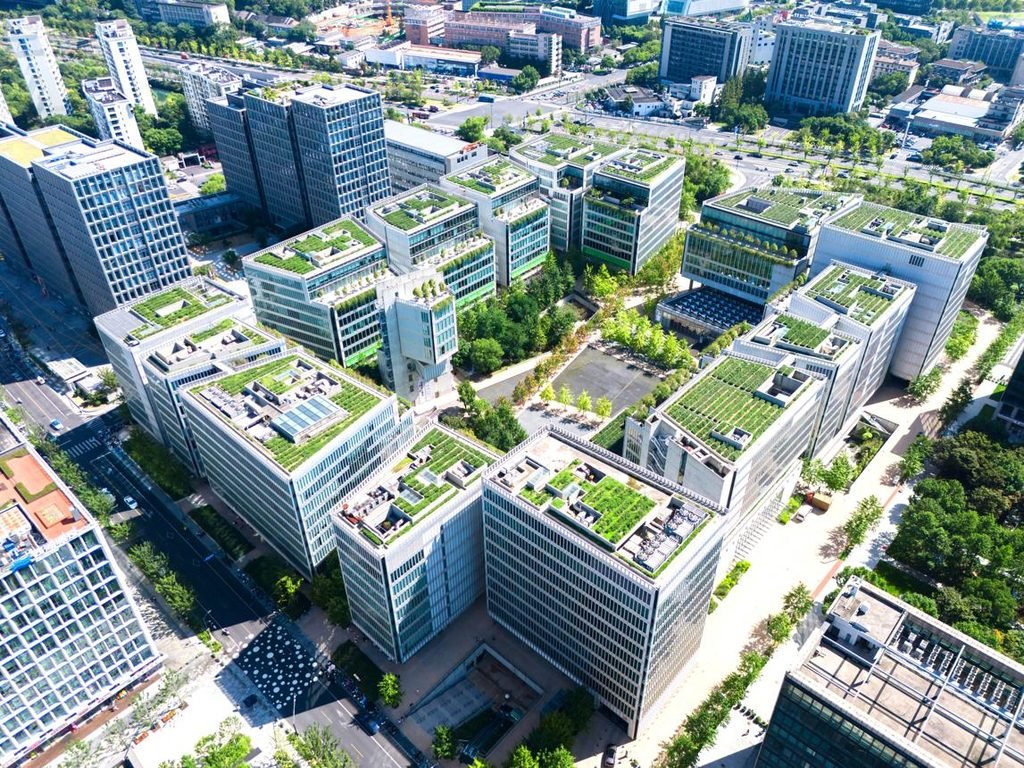
Technology has expanded the possibilities of architectural photography.
Modern photographers use digital cameras, drones, editing software and advanced imaging techniques to document buildings from different perspectives.
Some important developments include:
Drone photography: Provides aerial views of buildings, landscapes and large architectural developments.
Digital editing: Software helps correct perspective, balance exposure and improve image quality.
HDR photography: Combines multiple exposures to capture a wider range of brightness, particularly in challenging interior lighting conditions.
Virtual tours and 360-degree photography: Allow audiences to explore architectural interiors and spaces interactively.
AI-assisted editing: Can support selected post-production tasks, but edits should preserve the authenticity of the architectural project.
These technologies make it easier for architects and designers to present their work to clients, publications and wider audiences.
8. How Architectural Photography Supports Architecture and Interior Design
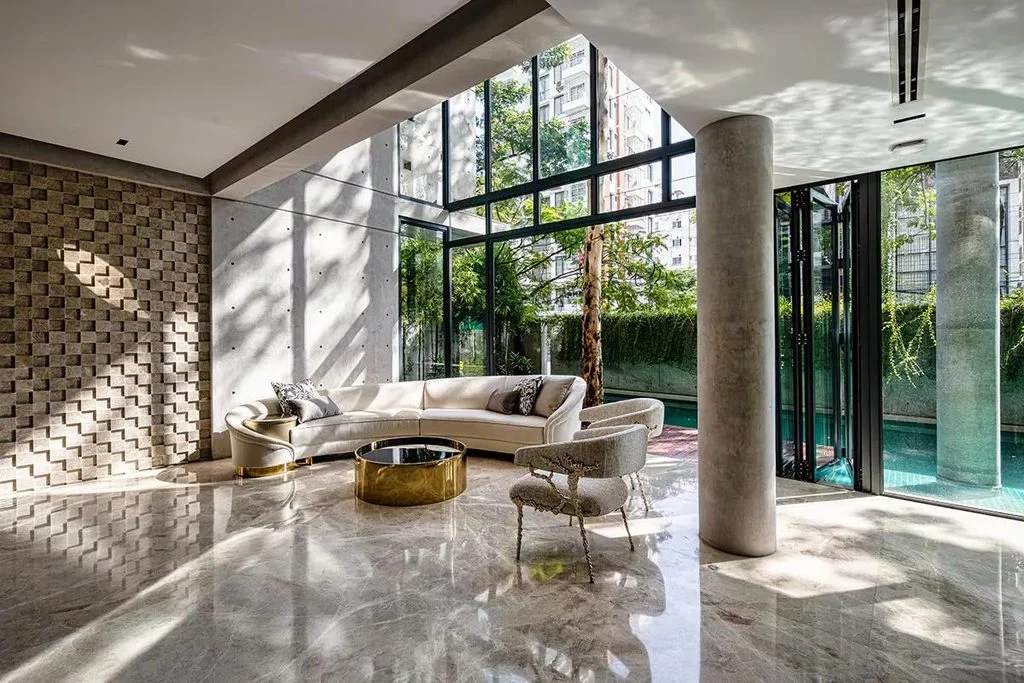
Image credit: store.porcelanosa.com
Architectural photography is closely connected to the architecture and interior design industries.
For architects, photographs provide a visual record of completed projects and communicate design ideas to clients.
For interior designers, professional photography highlights furniture, lighting, material selection, colour combinations and spatial planning.
For architecture publications and design exhibitions, photographs help audiences understand projects that they may not have the opportunity to experience in person.
Photography also supports architecture students by allowing them to study famous buildings, compare architectural styles and understand how materials, light and proportions influence design.
For more perspectives on contemporary design, explore adaptive architecture and its relationship with changing building needs.
9. Common Mistakes to Avoid in Architectural Photography
Even attractive buildings can look less impressive when photographs are poorly composed or edited.
Some common mistakes include:
- Using extreme wide-angle perspectives without correcting distortion.
- Photographing in harsh lighting without considering shadows.
- Ignoring architectural details and material textures.
- Including distracting objects in the frame.
- Over-editing colours and architectural features.
- Using poor-quality or blurry photographs.
- Failing to consider the relationship between the building and its surroundings.
Taking time to plan the photograph and understand the architectural subject can significantly improve the final result.
10. Frequently Asked Questions About Architectural Photography
1. What is the purpose of architectural photography?
Architectural photography documents and communicates the design, structure, materials and visual character of buildings. It helps architects, designers and audiences understand the built environment.
2. What makes a good architectural photograph?
A good architectural photograph uses thoughtful composition, suitable lighting, controlled perspective and clear details to communicate the building’s design and character.
3. Which camera is best for architectural photography?
DSLR and mirrorless cameras are both suitable for architectural photography. The choice depends on the photographer’s budget, experience and requirements. Lens selection and photographic technique are equally important.
4. Why is lighting important in architectural photography?
Lighting reveals the texture, shape, colours and proportions of a building. Different lighting conditions can create different moods and highlight specific architectural features.
5. What is the difference between architectural and interior photography?
Architectural photography covers both the exterior and interior of buildings, as well as their structural and design features. Interior photography specifically focuses on indoor environments, furniture, materials, lighting and spatial arrangements.
6. How do photographers capture tall buildings without distortion?
Photographers can keep the camera level, select an appropriate viewpoint, use tilt-shift lenses or apply careful perspective correction during post-processing.
7. How does architectural photography help architects?
It helps architects document completed projects, present their design ideas, build professional portfolios, communicate with clients and showcase their work through publications and digital platforms.
8. Can smartphones be used for architectural photography?
Yes. Modern smartphones can capture useful architectural images. Photographers should pay attention to composition, lighting, lens distortion and perspective to achieve better results.
Conclusion: Capturing More Than Just Buildings
Architectural photography is more than the process of recording buildings through a camera. It is a way of communicating the ideas, creativity and experiences behind architectural design.
Through thoughtful composition, natural lighting, perspective and attention to detail, photographers can reveal the qualities that make every building unique.
From historic monuments such as the Taj Mahal to contemporary structures such as the Sydney Opera House, architectural photography allows us to appreciate the relationship between design, culture, technology and the built environment.
As architecture continues to evolve, photography will remain an important medium for documenting innovation, sharing creative ideas and inspiring the next generation of architects and designers.




Join the discussion