
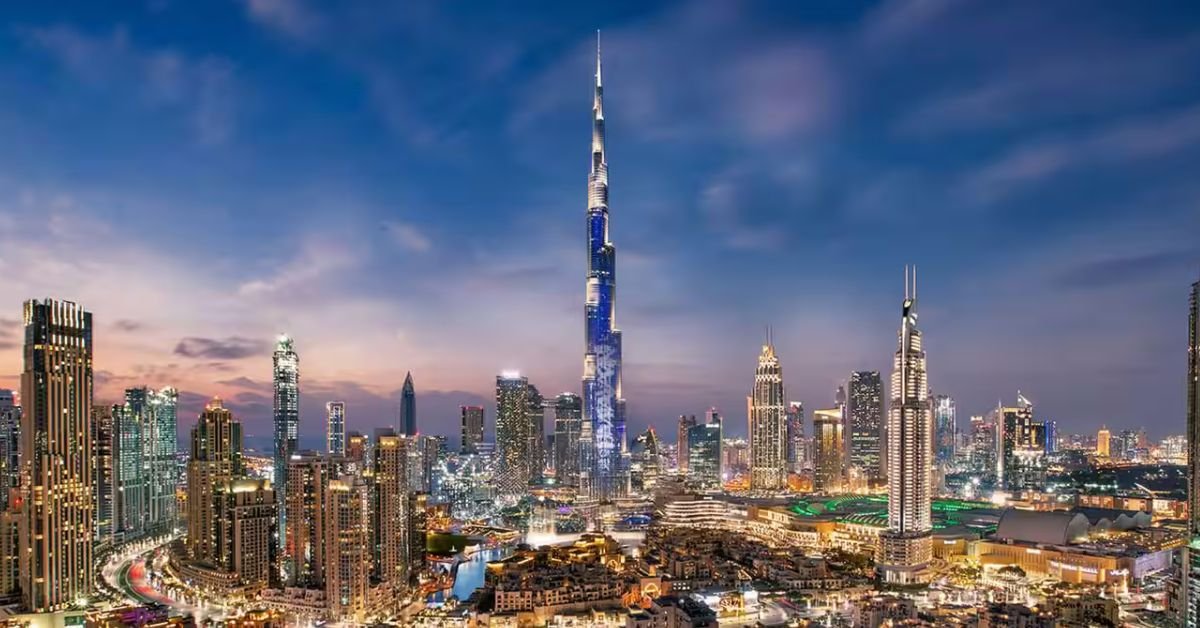
Dubai’s Futuristic Skyline Has Become a Global Icon
When people think about futuristic architecture, one city immediately comes to mind — Dubai. From ultra-modern skyscrapers and luxury hotels to artificial islands and smart buildings, Dubai architecture has transformed the desert into one of the most visually stunning urban landscapes in the world. The city is famous for pushing the limits of design, engineering, and innovation, making it a global hub for futuristic buildings and modern architecture.
Dubai’s skyline is not accidental. Every futuristic building in Dubai reflects ambition, technological advancement, and a strong vision for the future. Whether it is the towering Burj Khalifa, the sail-shaped Burj Al Arab, or the incredible Museum of the Future, the city constantly reinvents what architecture can achieve.
The rise of futuristic buildings in Dubai is connected to economic growth, tourism, innovation, luxury living, and the desire to create a globally recognized identity. Today, Dubai is often called the “city of the future,” and its architecture plays a major role in that reputation.
Dubai’s Visionary Leadership Encouraged Futuristic Architecture
One of the biggest reasons Dubai buildings look futuristic is the city’s long-term vision for growth and modernization. The leadership of Dubai focused heavily on transforming the city from a desert trading hub into an international business and tourism destination.
Instead of following traditional architectural styles, Dubai embraced modern urban development and iconic skyscraper design. The city wanted buildings that would attract global attention and create a strong visual identity. This is why many Dubai skyscrapers feature unique forms, advanced materials, and innovative engineering solutions.
The focus was never just about creating tall buildings. Dubai architecture was designed to communicate luxury, ambition, progress, and innovation. Every futuristic structure became part of the city’s branding strategy, helping Dubai stand out among global cities like New York City, Singapore, and Shanghai.
This visionary planning encouraged architects and developers to think beyond conventional design and experiment with futuristic concepts rarely seen elsewhere.
Futuristic Skyscrapers Define Dubai’s Modern Identity
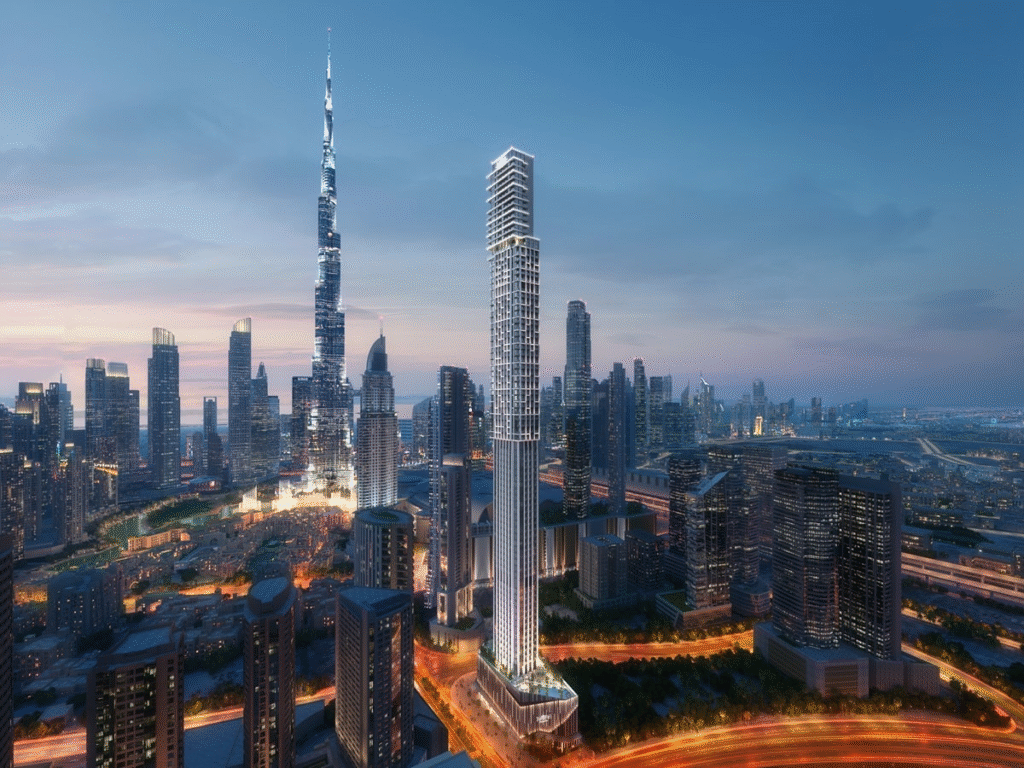
Dubai is home to some of the most recognizable skyscrapers in the world. The city embraced vertical development very early, leading to the construction of highly advanced towers that changed global architecture trends.
The most famous example is the Burj Khalifa, currently the tallest building in the world. Its futuristic appearance, aerodynamic form, and cutting-edge engineering symbolize Dubai’s desire to break records and redefine architecture.
Another example is the Cayan Tower, known for its dramatic twisting design. Buildings like these are not only visually striking but also engineered to handle extreme desert temperatures, strong winds, and rapid urban growth.
Dubai skyscrapers often feature reflective glass facades, dynamic geometric forms, LED lighting systems, and smart technologies. These elements create the futuristic visual language that the city is known for globally.
The combination of luxury real estate, high-end commercial development, and architectural experimentation continues to push Dubai’s skyline toward the future.
Technology and Innovation Play a Huge Role in Dubai Architecture
Another reason Dubai buildings look futuristic is the heavy use of modern technology and advanced construction methods. Dubai developers invest heavily in engineering innovation, smart city planning, and sustainable building systems.
Many futuristic buildings in Dubai use artificial intelligence, automated climate systems, energy-efficient technologies, and advanced materials to improve performance and sustainability. Smart buildings are becoming increasingly common throughout the city.
The Museum of the Future perfectly represents this approach. The building combines futuristic architecture with technological innovation and sustainable design principles. Its flowing form and Arabic calligraphy facade make it one of the most iconic modern buildings in the world.
Dubai is also experimenting with 3D-printed buildings, robotic construction methods, and smart infrastructure. The city wants to position itself as a leader in future technologies, and architecture is a major part of that mission.
This integration of technology into urban development helps Dubai maintain its image as a futuristic global destination.
Luxury Tourism Influences Dubai’s Futuristic Design Style
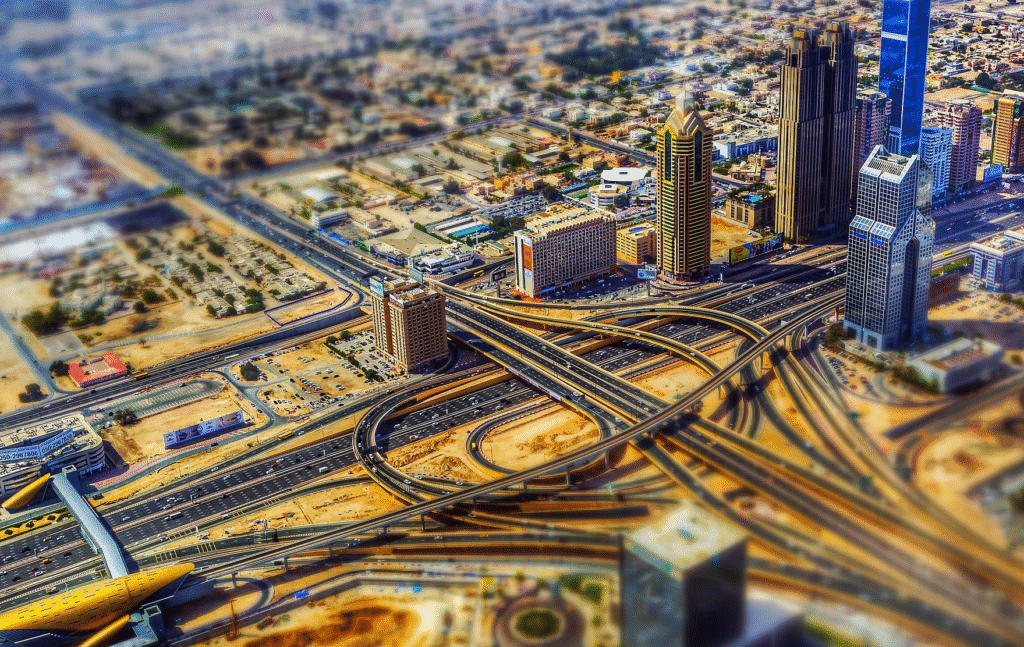
Tourism is one of Dubai’s most important industries, and futuristic architecture plays a major role in attracting visitors from around the world. Dubai hotels, shopping malls, observation decks, and entertainment districts are designed to create unforgettable experiences.
The iconic Burj Al Arab is a perfect example of architecture being used as a tourism symbol. Its sail-inspired design instantly became one of the most recognizable hotel structures globally.
Dubai also developed futuristic attractions like Palm Jumeirah, an artificial island visible from space, and the massive Dubai Mall, which combines shopping, entertainment, and immersive experiences within a modern architectural environment.
Luxury architecture helps Dubai market itself as a premium global destination. Visitors expect grand visuals, innovative buildings, and world-class experiences, and the city continuously delivers through ambitious architectural projects.
This tourism-driven development encourages architects to create bold, futuristic structures that capture international attention.

The Desert Environment Inspired Innovative Building Solutions
Dubai’s harsh desert climate forced architects to develop innovative and futuristic construction techniques. Extreme heat, intense sunlight, and limited natural resources required buildings to become smarter and more energy-efficient.
Modern Dubai architecture often uses advanced glass technologies, shading systems, reflective surfaces, and sustainable cooling methods to reduce energy consumption. Many futuristic towers are designed to maximize natural light while minimizing heat gain.
Architects also incorporate traditional Middle Eastern design concepts into modern structures. Elements inspired by wind towers, courtyards, and shading screens are often reimagined using futuristic materials and engineering.
This blend of traditional regional ideas with cutting-edge technology gives Dubai buildings their unique futuristic appearance while also improving environmental performance.
As sustainability becomes more important globally, Dubai is increasingly investing in green architecture and eco-friendly urban planning.
Global Architects Bring International Design Influence to Dubai
Dubai became a global architectural playground for some of the world’s most famous architects, engineers, and developers. International firms were invited to create iconic projects that would redefine the city’s skyline.
Architects from Europe, America, Asia, and the Middle East brought diverse design influences, leading to highly experimental and futuristic structures. This global collaboration allowed Dubai to adopt the latest architectural trends and construction technologies much faster than many other cities.
The result is a skyline filled with dramatic curves, unique silhouettes, and innovative forms that reflect international modern architecture trends. Dubai architecture combines influences from neo-futurism, parametric design, high-tech architecture, and sustainable urban planning.
Because the city encourages architectural creativity, developers are willing to invest in ambitious concepts that might be considered too risky elsewhere.
This openness to experimentation is one of the biggest reasons Dubai continues to produce futuristic buildings at such a rapid pace.
Also read – Top 10 Tallest Buildings in the World
Smart City Planning Shapes the Future of Dubai
Dubai is not only building futuristic skyscrapers but also developing itself as a smart city. Urban planning in Dubai focuses heavily on connectivity, digital infrastructure, sustainability, and future mobility systems.
The city is investing in autonomous transportation, AI-driven infrastructure, smart energy systems, and environmentally conscious urban design. These initiatives directly influence how buildings are planned and constructed.
Modern developments in Dubai often include integrated mixed-use communities, pedestrian-friendly zones, and technologically advanced public spaces. Architecture is designed to work together with transportation networks, tourism infrastructure, and sustainability goals.
Projects connected to Dubai’s future vision aim to create a city that is not only visually futuristic but also functionally advanced.
This long-term approach ensures that Dubai architecture remains globally relevant for decades to come.
Dubai’s Architecture Represents Ambition and Global Influence
Perhaps the biggest reason Dubai buildings are so futuristic is simple — the city wants to make a statement. Dubai architecture reflects confidence, ambition, and a desire to lead global conversations about innovation and urban development.
Every major project is designed to attract attention, create economic opportunities, and reinforce Dubai’s reputation as a city of the future. Architecture became a symbol of transformation, showing how rapidly the city evolved within just a few decades.
Today, Dubai is recognized worldwide for its futuristic skyline, luxury developments, and engineering achievements. The city continues to inspire architects, designers, urban planners, and travelers who are fascinated by the possibilities of modern architecture.
As technology evolves and sustainability becomes more important, Dubai will likely continue pushing architectural boundaries even further.
Conclusion: Dubai’s Futuristic Buildings Reflect a Bold Vision for the Future
Dubai buildings are futuristic because the city intentionally chose innovation over convention. Visionary leadership, advanced technology, luxury tourism, global architectural talent, and smart urban planning all contributed to the rise of Dubai’s modern skyline.
From iconic skyscrapers and smart buildings to sustainable urban developments and engineering marvels, Dubai architecture represents the future of design and construction. The city constantly reinvents itself, creating structures that combine beauty, functionality, and technological advancement.
What makes Dubai truly unique is not just the height of its buildings or the luxury they represent. It is the city’s willingness to imagine what future architecture could look like — and then actually build it.
FAQ
What is this post about? It covers the main idea with practical takeaways and examples.

Join the discussion