
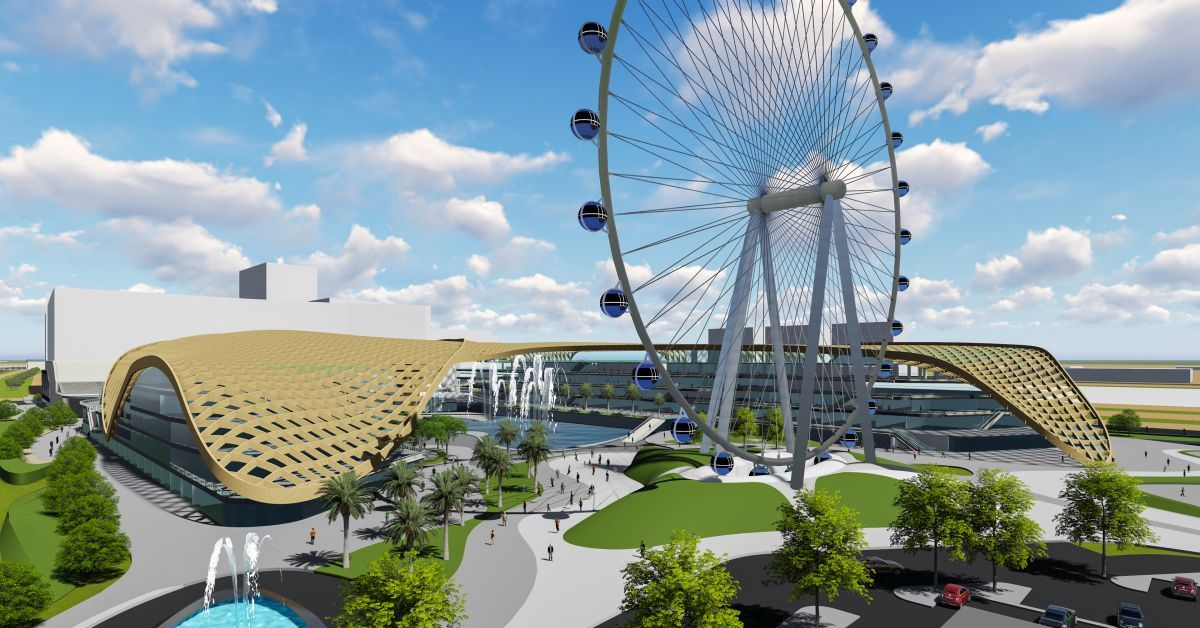
Ask almost any final-year architecture student what the most stressful part of the thesis is, and surprisingly, the answer may not be designing the project. It is deciding what to design in the first place.
Finding the right architecture thesis topic can feel overwhelming because your thesis is expected to bring together almost everything you have learned during architecture school. Site planning, building technology, environmental design, social context, user behaviour, materials and architectural expression suddenly have to come together in one project.
A good architecture thesis does not necessarily need to be the biggest or most futuristic building imaginable. Some of the strongest B.Arch thesis topics begin with one simple question about how people live, work, learn, travel or interact with their surroundings.
The best thesis topic is therefore not simply a building typology. It is a problem worth investigating through architecture.
What Makes a Good Architecture Thesis Topic?
Before choosing from hundreds of architecture thesis ideas, students should understand what makes a topic strong enough to sustain an entire semester.
A good architecture thesis topic should give you room for research as well as design. Instead of simply proposing “a hospital,” for example, the project could investigate how architecture can reduce anxiety within healthcare environments. A housing project could examine how shared spaces can reduce isolation among elderly residents.
That small shift immediately gives the thesis a purpose.
Your topic should also have enough architectural complexity to demonstrate your abilities. Site planning, circulation, spatial hierarchy, structure, materials, landscape and environmental response should all have opportunities to become part of the design discussion.
Most importantly, select something you genuinely want to understand. You will spend months reading, researching, documenting, drawing and redesigning the project. Curiosity can carry you through that process far better than choosing a fashionable topic simply because everyone else seems to be discussing it.

Sustainable Architecture Thesis Topics Are Becoming Much More Relevant
Environmental performance continues to influence contemporary architectural thinking, making sustainable architecture thesis topics a strong area for final-year students.
However, sustainability does not need to mean adding solar panels and rainwater harvesting systems to a conventional building. A better thesis can investigate how architectural planning itself responds to climate.
For example, a climate-responsive community centre for hot and dry regions could explore courtyards, shaded transitional spaces, thermal mass and passive ventilation. A net-zero educational campus could examine energy consumption alongside daylight, landscape and user behaviour.
Another interesting direction is a climate-resilient housing prototype for flood-prone regions. Rather than treating flooding purely as an engineering problem, students can investigate adaptable landscapes, raised living spaces and infrastructure that allows communities to continue functioning during extreme weather.
A regenerative learning centre, low-carbon materials research campus, or self-sufficient rural community hub can also become interesting architecture thesis projects when environmental ideas influence the entire planning strategy.
Also read – Dubai Waterfront Architecture: The Incredible Rise of Towers, Marinas and a New Urban Identity
Adaptive Reuse Can Turn Forgotten Buildings Into Powerful Thesis Projects
Some of the most interesting architecture thesis topics begin not with an empty site but with an existing building.
Adaptive reuse architecture thesis topics allow students to investigate history, memory and contemporary requirements at the same time. Old factories, abandoned mills, warehouses, railway structures and institutional buildings often contain architectural qualities that completely new projects cannot reproduce.
An abandoned industrial building could become a creative arts and entrepreneurship district. A disused textile mill could be transformed into mixed-use cultural housing, while an old railway station might become a transport museum and community hub.
Adaptive reuse also raises deeper questions. Which parts of a building should remain untouched? What should be removed? How should contemporary additions interact with historic architecture?
Those questions create the kind of architectural debate that can make a final-year thesis far more interesting than simply designing another new building.
Urban Design Thesis Topics Can Look Beyond a Single Building
Architecture students sometimes assume their thesis needs to revolve around one monumental structure. It does not.
Some of the strongest urban design thesis topics investigate how multiple buildings, streets, public spaces and communities interact.
A student could explore the revitalisation of an ageing urban neighbourhood, developing strategies for public space, mobility, mixed-use development and community infrastructure. Another thesis could examine the transformation of neglected waterfronts into accessible public districts.
There is also enormous potential in studying streets.
A thesis investigating pedestrian-first neighbourhoods, for example, could explore how street widths, shaded walkways, commercial edges, cycling networks and public spaces influence everyday urban life.
Other architecture thesis ideas could focus on urban villages, informal settlements, transit-oriented development, abandoned industrial districts or rapidly growing suburban areas.
These projects allow architecture students to understand something extremely important: architecture rarely exists in isolation. Every building becomes part of a larger urban system.
Housing Thesis Topics Can Address How People Really Live
Housing remains one of the most relevant areas for an architecture thesis because the idea of “home” constantly changes.
Traditional apartment planning often assumes that households behave in similar ways. In reality, families are becoming more diverse, people increasingly work from home, elderly populations require different living environments and young professionals may prefer shared facilities over larger private apartments.
This creates exciting possibilities for housing architecture thesis topics.
A thesis could investigate intergenerational housing that allows elderly residents, families and younger adults to live within one community. Another could explore co-living models for young professionals, examining how private living units interact with shared kitchens, workspaces and social areas.
Students could also develop incremental housing for low-income communities, where homes expand gradually according to changing family needs.
Other possibilities include student housing integrated with learning spaces, housing for migrant workers, post-disaster housing systems, or high-density affordable housing designed around shared courtyards and community spaces.
Housing may appear familiar, but that familiarity is precisely what makes it powerful. Small architectural decisions can significantly change everyday life.
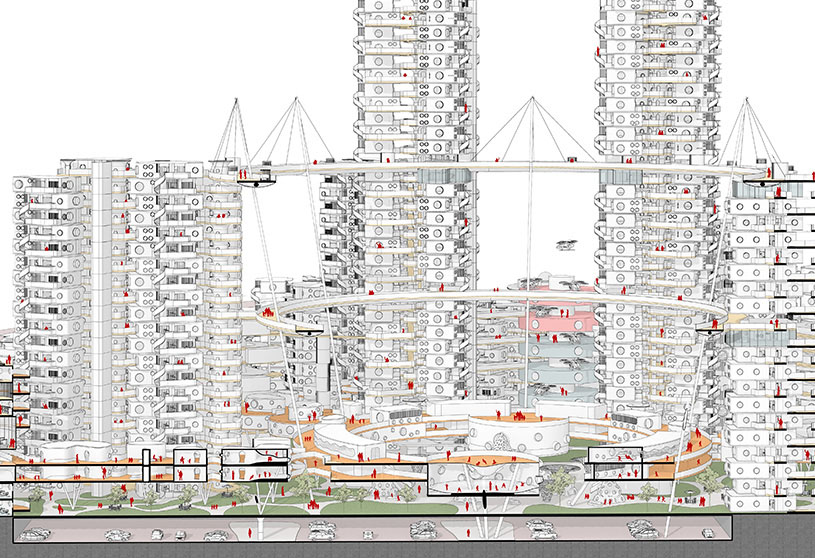
Healthcare Architecture Can Explore More Than Hospital Planning
Healthcare projects have traditionally been popular B.Arch thesis topics, but there are many opportunities to move beyond conventional hospital design.
Students can investigate how architecture influences mental and emotional well-being.
A mental wellness and rehabilitation centre could explore privacy, sensory environments, gardens, natural light and transitions between social and quiet spaces. A palliative care facility could investigate how architecture creates dignity, comfort and connection with family members.
Other possibilities include a children’s rehabilitation centre, rural healthcare hub, neurodiversity-sensitive wellness centre, or integrated healthcare campus for elderly residents.
The strongest healthcare architecture thesis does not simply organise departments efficiently. It asks how the environment itself can become part of the healing experience.
Public Architecture Can Bring Communities Together
Libraries, museums and community centres remain valuable architecture thesis ideas when students rethink what these institutions mean today.
A library, for example, no longer needs to function only as a place where books are stored. A future public library could integrate digital learning spaces, workshops, community classrooms, performance areas and informal gathering zones.
Similarly, a community knowledge centre for rural regions could combine education, vocational training, digital access and public services within one architectural system.
Other promising public architecture thesis topics include community kitchens, civic centres, neighbourhood cultural hubs, skill-development centres and public learning environments.
These projects work particularly well because architecture becomes a social connector rather than simply an object occupying a site.
Cultural Architecture Thesis Topics Can Explore Identity Without Copying the Past
Cultural architecture gives students an opportunity to investigate identity, tradition and changing lifestyles.
But cultural architecture does not have to mean recreating historic buildings.
A strong thesis might study how traditional spatial principles can influence contemporary architecture. For example, a centre for disappearing craft traditions could provide workshops, exhibitions, training facilities and spaces where craftspeople interact directly with visitors.
Another idea could be a regional food and culture centre, exploring the relationship between architecture, agriculture, cuisine and local traditions.
Students interested in heritage could also investigate interpretation centres, community museums, cultural landscapes or contemporary architecture within historic precincts.
The key is to avoid simply copying visual elements from traditional architecture. Instead, understand the principles behind them and explore how those ideas might evolve.
Architecture Thesis Topics Around Education Can Go Beyond the Typical School
Education is changing, and architecture can respond to those changes.
Instead of designing a conventional school with repetitive classrooms, students could investigate a learning environment without fixed classrooms, where spaces adapt to different activities throughout the day.
An architecture and construction learning centre could combine workshops, material laboratories, fabrication spaces and classrooms. A rural vocational campus could connect education with local industries and community development.
Other thesis directions could explore schools for neurodiverse children, outdoor learning campuses, early childhood education environments, or hybrid universities combining digital and physical learning.
These architecture thesis topics for students provide opportunities to question one of architecture’s most familiar spaces: the classroom.
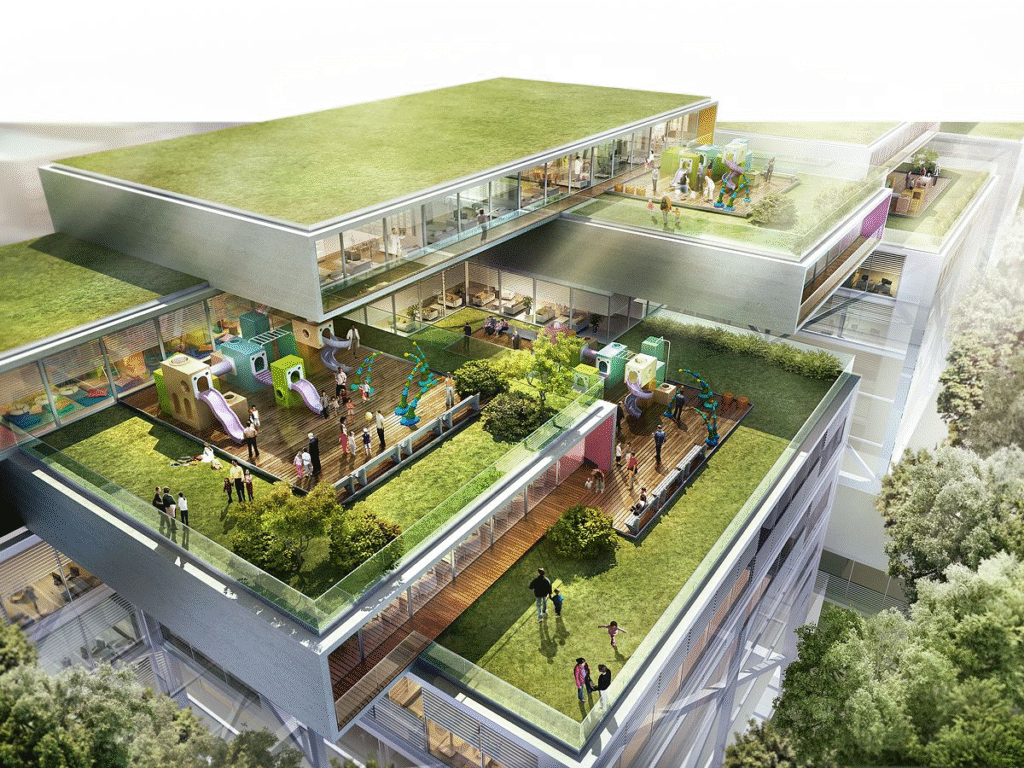
Transportation Architecture Offers Huge Design Possibilities
Transportation infrastructure influences millions of everyday journeys, making it another powerful area for architecture students.
A multimodal transit hub could combine metro, buses, cycling infrastructure, pedestrian networks and public spaces within one integrated project.
Students could also explore the future of railway stations, transforming them from purely functional transport buildings into civic destinations containing retail, public spaces, offices and cultural facilities.
Other ideas include electric mobility hubs, intercity bus terminals designed around passenger comfort, or transport infrastructure for rapidly developing smaller cities.
Transportation projects can become especially interesting when the thesis investigates the relationship between architecture, movement and the city rather than concentrating only on terminal planning.
Landscape and Architecture Can Become One Continuous System
Another growing direction for architecture thesis ideas is the relationship between landscape and built form.
Instead of treating landscape as the leftover space around a building, students can make it the starting point of the project.
A river restoration and public recreation corridor could integrate flood management, ecology and community spaces. A wetland interpretation centre could allow visitors to experience sensitive ecosystems without damaging them.
Students might also investigate urban farming communities, productive landscapes, coastal resilience centres, or ecological parks integrated with public architecture.
Such thesis projects allow architecture, infrastructure and environmental systems to work together rather than exist as separate layers.
Technology Can Create Some of the Most Experimental Architecture Thesis Ideas
Technology is opening another set of possibilities for students searching for innovative architecture thesis topics.
A robotic fabrication and architecture research centre could explore how digital manufacturing changes building construction. A future workplace for AI-driven industries might investigate how human collaboration spaces evolve as routine digital tasks become increasingly automated.
Students could also explore responsive building envelopes, smart public spaces, mixed-reality learning environments, or architecture designed using computational and generative systems.
Technology should not become a gimmick, however. The strongest thesis will ask what architectural problem the technology actually solves.
Instead of designing something futuristic simply because it looks impressive, investigate how technology might genuinely change spatial experience, construction methods or environmental performance.
Socially Responsive Architecture Can Make a Thesis More Meaningful
Architecture becomes especially powerful when it addresses people who are frequently overlooked by mainstream development.
A thesis could investigate temporary housing and support infrastructure for migrant communities, combining accommodation with childcare, healthcare and employment assistance.
Another direction could be an inclusive community centre designed for people with different physical and sensory abilities.
Students might also explore shelters designed around dignity rather than institutional planning, community centres for elderly populations, or safe public environments for children and caregivers.
These topics require careful research because students need to understand users rather than make assumptions about them.
When handled thoughtfully, socially responsive architecture can produce thesis projects where design decisions carry genuine purpose.
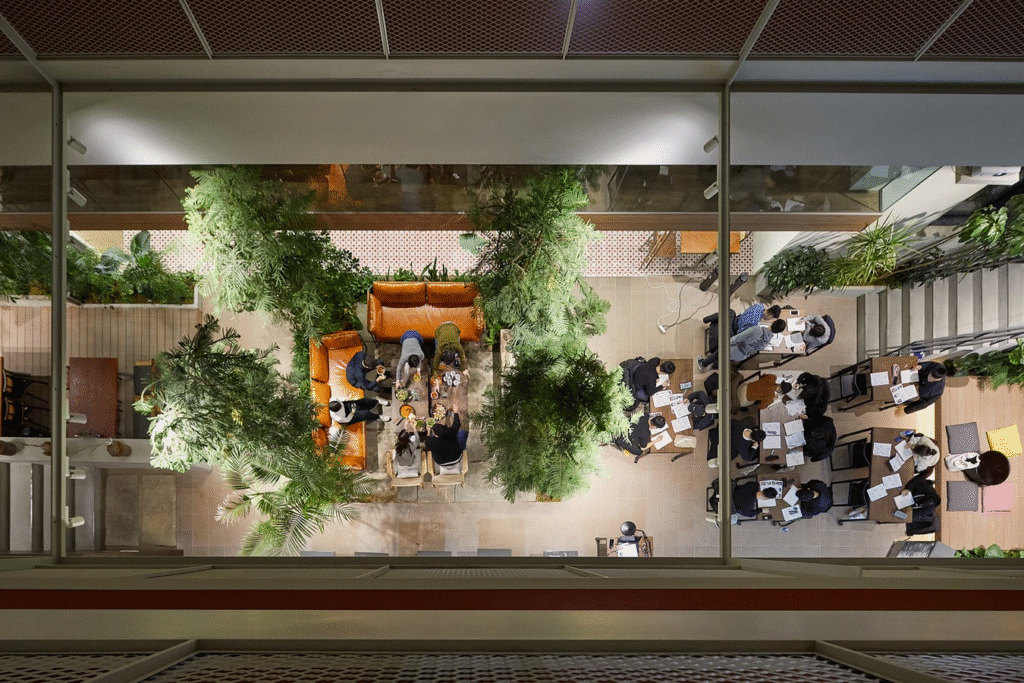
Thesis Topics Based on Tourism Should Move Beyond Resorts
Tourism projects are frequently selected in architecture colleges, but simply designing another luxury resort may not automatically produce a strong thesis.
Instead, students can investigate how tourism interacts with ecology, local communities and regional economies.
A community-based eco-tourism centre could allow visitors to experience a region while helping local residents benefit economically. A cultural tourism circuit could connect heritage buildings, landscapes and public infrastructure across multiple sites.
Other architecture thesis ideas include astronomy tourism centres, wellness retreats integrated with natural landscapes, interpretation centres for protected regions, and adaptive reuse projects that convert abandoned heritage structures into hospitality spaces.
The architectural question should extend beyond accommodation and ask what kind of relationship tourism creates with its surrounding place.
How to Narrow Down Your Architecture Thesis Topic
If you have several architecture thesis topics in mind, begin by asking what problem each one allows you to investigate.
Instead of thinking, “I want to design a museum,” ask, “What kind of museum does this place actually need, and what architectural question can I explore through it?”
Research availability is equally important. You should be able to understand your potential users, study relevant case studies, analyse the site and gather enough information to support your design decisions.
Site selection should also happen alongside topic development rather than as an afterthought. A brilliant concept can become difficult to justify when placed on a site that has little connection with the project’s purpose.
Try finding the intersection between a problem you care about, a user group worth understanding and a site where architecture can create meaningful change.
That intersection often leads to the strongest architecture thesis ideas.
Avoid Choosing a Thesis Topic Just Because It Sounds Impressive
There is always a temptation during final year to choose the biggest possible project.
International airports, enormous convention centres, futuristic cities and skyscrapers may sound impressive when presented as architecture thesis topics. But scale alone does not create architectural depth.
A smaller project with a clearly researched idea can produce a far stronger thesis than an enormous project that becomes primarily an exercise in planning hundreds of rooms.
Your jury is ultimately looking at the way you think.
Can you identify a problem? Can you understand the people involved? Can you analyse a place? Can you translate research into spatial decisions?
Those questions matter far more than the number of square metres in your project.
The Best Architecture Thesis Topic Is the One That Keeps You Curious
There is no single perfect answer to the question, “What are the best architecture thesis topics?”
For one student, it might be adaptive reuse of an abandoned industrial structure. For another, it may be affordable housing, climate-responsive architecture, a public library, an urban neighbourhood or an experimental fabrication centre.
The strongest final-year architecture thesis usually begins with curiosity.
Look at your city. Look at the places that work beautifully and the ones that do not. Notice abandoned buildings, overcrowded streets, disappearing landscapes, changing lifestyles and communities whose spatial needs are rarely discussed.
Architecture thesis ideas are often hiding inside those everyday observations.
Your thesis is one of the rare moments in architecture school when you can choose a question and spend months investigating it through research, drawings, models and design.
Choose a topic that gives you something worth questioning, not simply something impressive to render.
Because years after your final jury is over, people may forget how complicated your floor plan was.
But a strong architectural idea is much harder to forget.





Join the discussion