
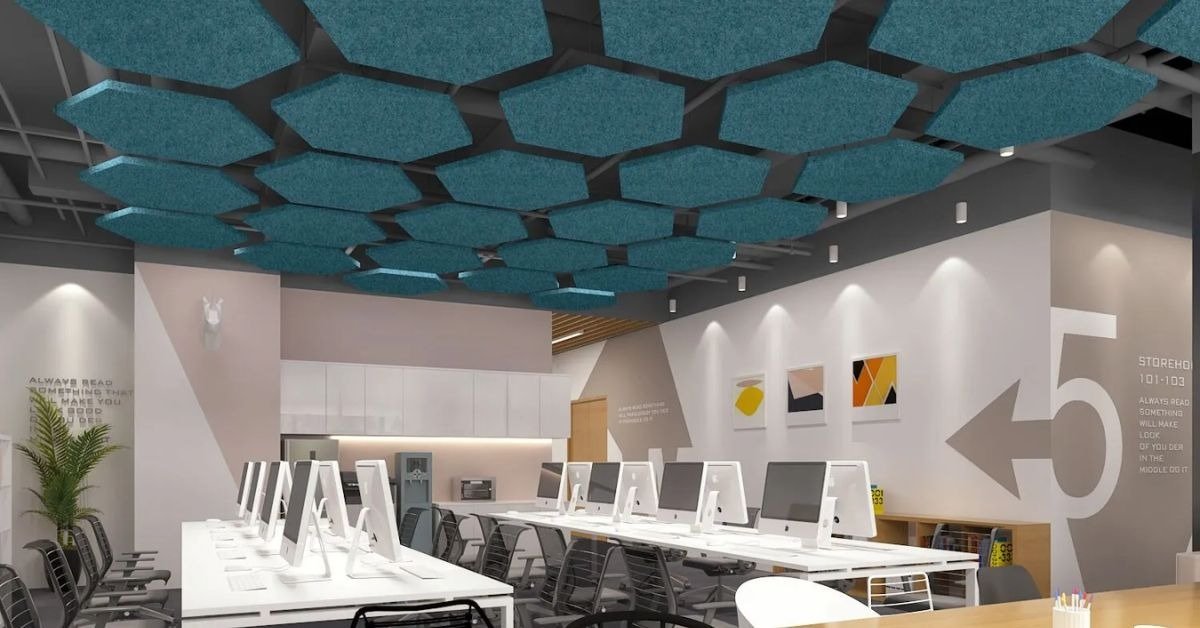
Acoustic Design in Architecture: Why Sound Matters in Every Space is no longer a niche consideration reserved for concert halls and recording studios. Today, it plays a crucial role in how we experience homes, offices, schools, hospitals, airports, restaurants, and public spaces. While architecture is often celebrated for what we see, its form, materials, and aesthetics what we hear within a space can be just as influential.
Imagine working in an office where every conversation echoes across the room, dining in a restaurant where background noise overwhelms your table, or attending a lecture where the speaker’s voice is lost in reverberation. In each case, the design may be visually stunning, but the experience falls short because sound was overlooked.
Acoustic design is about creating environments that sound as good as they look. By controlling how sound travels, reflects, and is absorbed, architects can shape spaces that are comfortable, functional, and enjoyable. As modern architecture increasingly embraces open layouts, glass façades, and exposed concrete, thoughtful acoustic planning has become more important than ever.
When Architecture Is Heard, Not Just Seen
Good architecture appeals to multiple senses. We admire a building’s proportions, materials, and light, but we also instinctively respond to its soundscape.
Walk into a centuries-old cathedral, and you’ll notice the lingering echo that enhances music and ceremonial rituals. Step into a quiet library, and the calm atmosphere encourages focus. Enter a bustling airport terminal, and clear announcements help thousands of people navigate efficiently.
These experiences don’t happen by accident, they are carefully designed.
Acoustic design considers how sound behaves within a space and how that affects the people using it. The goal isn’t always silence. Instead, it’s about achieving the right acoustic environment for the building’s purpose.
What Is Acoustic Design?
At its core, acoustic design is the process of controlling sound within a built environment. It focuses on three key objectives:
| Acoustic Goal | Purpose |
| Sound Control | Reduce unwanted noise from inside or outside the building. |
| Sound Quality | Improve speech clarity, music performance, or overall listening experience. |
| Acoustic Comfort | Create environments that reduce stress and support everyday activities. |
Architects and acoustic consultants work together to determine how sound should behave in each type of space, selecting materials, layouts, and construction methods that support those goals.
Why Sound Influences How We Experience Space
We often underestimate the impact of noise until it becomes a problem. Poor acoustics can lead to:
- Difficulty concentrating
- Reduced productivity
- Increased stress levels
- Sleep disruption
- Miscommunication
- Lower learning outcomes
- Reduced privacy
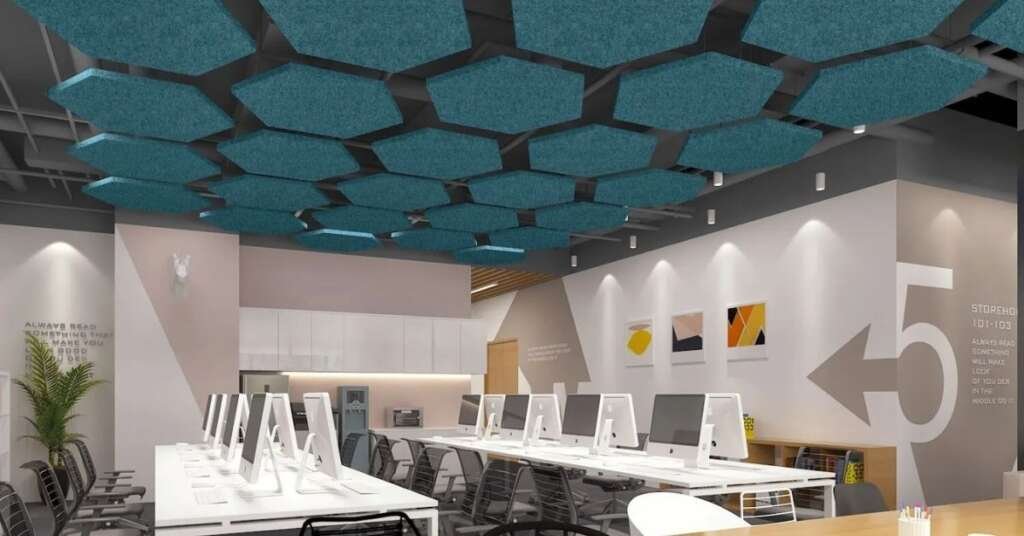
Contemporary open-plan office with acoustic ceiling panels and collaborative workspaces.
Credits: https://acousticpanels.co.uk/acoustic-panels-for-office-spaces/
Conversely, well-designed acoustics can make spaces feel calmer, more comfortable, and more welcoming.
Just as lighting shapes mood visually, sound shapes our emotional response to a space.
Different Spaces Need Different Acoustic Strategies
There is no universal solution because every building has different acoustic requirements.
| Building Type | Primary Acoustic Priority |
| Schools | Clear speech and reduced classroom noise |
| Hospitals | Patient comfort and privacy |
| Offices | Speech privacy and focused work environments |
| Restaurants | Comfortable conversation without excessive background noise |
| Homes | Protection from external noise and room-to-room sound transfer |
| Concert Halls | Rich, balanced sound with controlled reverberation |
| Libraries | Quiet environments that encourage concentration |
Designing acoustics always begins with understanding how people will use the space.
The Science Behind Sound
Sound behaves much like light it travels, reflects, absorbs, and diffuses depending on the surfaces it encounters.
Hard materials such as glass, marble, and concrete reflect sound, often creating echoes and increasing reverberation.
Soft, porous materials like acoustic panels, carpets, upholstered furniture, and fabric ceilings absorb sound, helping reduce unwanted reflections.
Architects carefully balance these materials to achieve the desired acoustic environment without compromising the overall design language.
Open-Plan Architecture Has Changed the Conversation
Modern architecture has embraced open layouts, exposed ceilings, polished concrete floors, and expansive glazing.
These features create bright, flexible spaces but acoustically, they introduce challenges.
Credits: Interior of a modern concert hall showcasing acoustically designed architecture. https://www.designboom.com/architecture/impact-acoustic-architecture-sound-management-video-architonic-04-28-2022/
Without adequate sound absorption, conversations travel farther, background noise builds up, and spaces become tiring to occupy. This is why many contemporary offices now incorporate:
- Acoustic ceiling baffles
- Fabric wall panels
- Timber slat ceilings
- Sound-absorbing partitions
- Soft furnishings
- Indoor planting
Rather than changing the architecture itself, these elements help restore acoustic balance.
Case Study: Elbphilharmonie, Hamburg
One of the world’s finest examples of acoustic architecture is the Elbphilharmonie in Hamburg, Germany.

Credits: https://www.admiddleeast.com/story/elbphilharmonie-hamburg-the-concert-hall-made-history
Designed by Herzog & de Meuron, with world-renowned acoustician Yasuhisa Toyota, the concert hall demonstrates how architecture and acoustics can work as one.
Its interior features over 10,000 individually shaped gypsum fibre panels that scatter sound evenly throughout the auditorium, ensuring exceptional listening quality from every seat.
The building proves that acoustic performance can become a defining architectural feature rather than an afterthought.
Acoustics in Workplaces: Supporting Focus and Collaboration
The modern workplace is no longer made up entirely of enclosed cabins. Open offices encourage interaction, but they also increase noise.
Acoustic design helps create a balance between collaboration and concentration. Successful workplace strategies often include:
| Design Element | Acoustic Benefit |
| Meeting rooms | Speech privacy |
| Acoustic ceilings | Noise reduction |
| Phone booths | Private conversations |
| Soft flooring | Reduced footstep noise |
| Quiet zones | Improved concentration |
A well-designed office supports different working styles without allowing sound to become a distraction.
Learning Spaces Depend on Good Acoustics
Students cannot learn effectively if they struggle to hear their teachers.
Research consistently shows that excessive classroom noise affects comprehension, memory, and concentration. Modern educational buildings increasingly prioritise:
- Speech intelligibility
- Reduced reverberation
- External noise control
- Acoustic separation between classrooms
Good acoustics ensure every student has equal access to learning, regardless of where they sit.
Healthcare Design: Quiet Spaces Heal Better
Hospitals are among the most acoustically demanding building types.
Patients require restful environments, while healthcare professionals need clear communication and privacy. Acoustic design supports healthcare by reducing:
- Equipment noise
- Corridor sound
- Door slams
- Mechanical system noise
- Speech transmission between patient rooms
A quieter environment can improve patient recovery while reducing stress for both visitors and medical staff.
An Indian Example: Bharat Mandapam, New Delhi
A contemporary example of acoustic planning in India is Bharat Mandapam at Pragati Maidan, New Delhi.
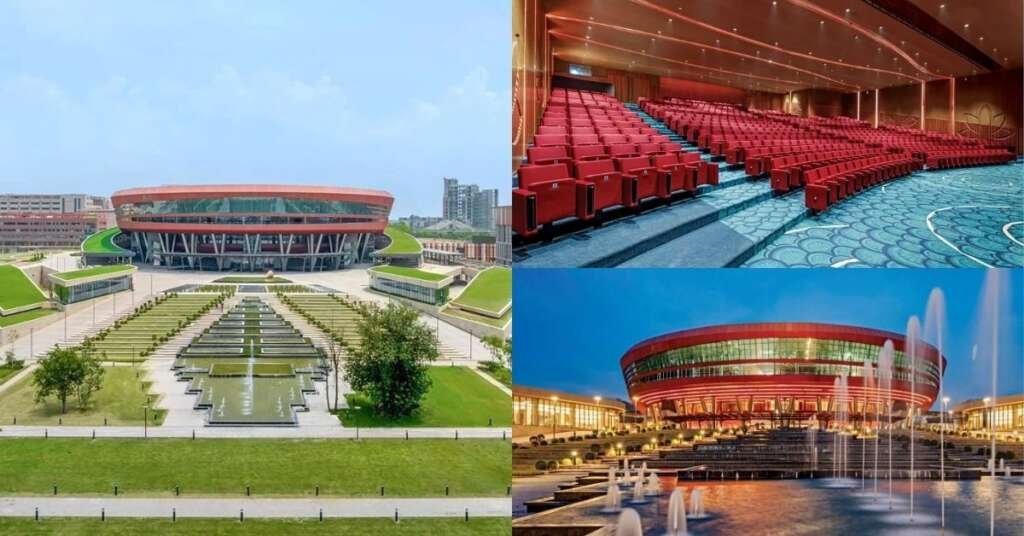
Credits: https://www.architectureplusdesign.in/ad-exclusives/bharat-mandapam-monumental-expression-indias-cultural-legacy-global-vision/
Designed as a world-class convention and exhibition centre, the venue accommodates conferences, cultural performances, exhibitions, and international summits each requiring different acoustic conditions.
Its auditoriums and conference halls incorporate advanced acoustic treatments that support clear speech, controlled reverberation, and flexible event formats. This demonstrates how modern Indian public architecture increasingly integrates acoustic performance alongside structural innovation and sustainability.
Technology Is Changing Acoustic Design
Architects today rely on sophisticated simulation software to predict how sound will behave long before construction begins. Digital acoustic modelling allows designers to:
- Measure reverberation time
- Analyse speech clarity
- Simulate audience experiences
- Test different materials
- Optimise room geometry
These tools reduce costly adjustments later while ensuring spaces perform as intended from day one.
Acoustics and Sustainability Can Work Together
Many acoustic materials are now manufactured using environmentally responsible methods. Examples include:
- Recycled PET felt panels
- Timber acoustic ceilings
- Natural wool insulation
- Cork wall systems
- Bamboo acoustic products
These solutions improve sound quality while supporting sustainable design goals, proving that performance and environmental responsibility can coexist.
The Future of Acoustic Architecture
As cities become denser and buildings more multifunctional, acoustic design will continue to gain importance. Emerging trends include:
- Adaptive acoustic systems
- Smart sound masking technologies
- AI-assisted acoustic simulations
- Integrated building management systems
- Biophilic materials with acoustic benefits
Future buildings won’t simply manage noise, they’ll actively enhance how people experience sound throughout the day.
Also Read: How Construction Drawings Turn Design Ideas into Real Buildings
Designing Spaces That Sound as Good as They Look
Architecture has always been about shaping human experience. While visual design often captures attention first, sound quietly influences how we feel, work, learn, heal, and connect within a space.
Acoustic design transforms buildings from visually impressive structures into environments that truly support the people who use them. Whether it’s a classroom where every student can hear clearly, a workplace that encourages focus, or a concert hall delivering flawless performances, thoughtful acoustic planning enhances both functionality and comfort.
At smart.pov, we believe the most successful architecture engages all the senses. By considering acoustics alongside light, materiality, sustainability, and spatial design, architects create buildings that are not only beautiful to see but also meaningful to experience.








Join the discussion