

Share This Article
The Story Behind Wat Arun’s Timeless Appeal
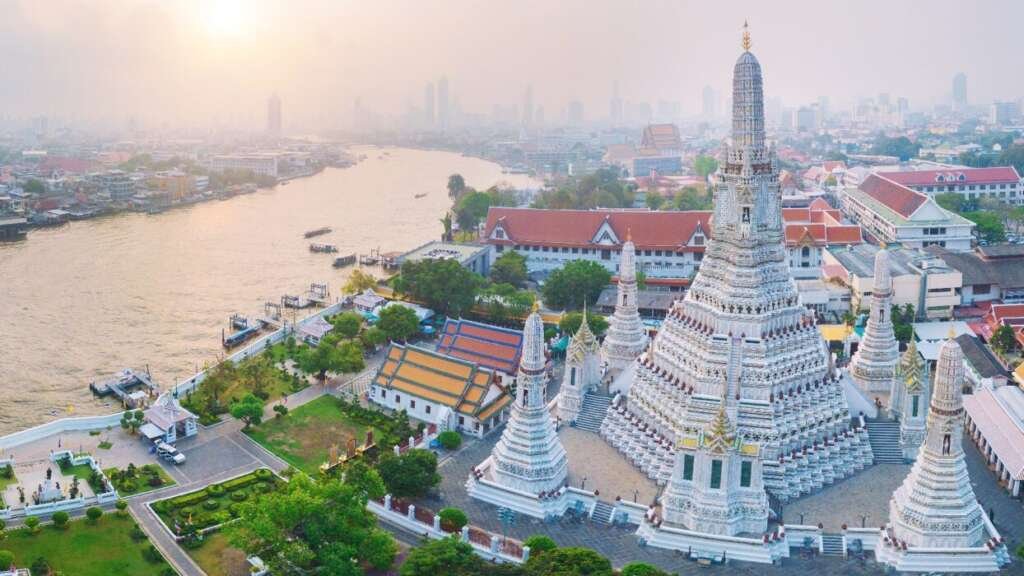
Bangkok’s skyline is defined by many cultural landmarks, but few possess the visual grandeur and architectural significance of Wat Arun. Commonly referred to as the “Temple of Dawn,” this riverside monument stands as one of Thailand’s most celebrated religious and architectural achievements. Positioned on the western bank of the Chao Phraya River, the temple reflects centuries of Thai craftsmanship, spiritual symbolism, and cultural identity.
For architects, historians, and travelers alike, the site offers an exceptional study of ornamental design, vertical composition, and sacred spatial planning. Beyond its tourism appeal, the temple remains an enduring representation of Thailand’s evolving architectural language.
The Historical Legacy of Wat Arun
The origins of Wat Arun date back to the Ayutthaya period, although the structure gained prominence during the reign of King Taksin in the late 18th century. After the fall of Ayutthaya, the king established Thonburi as the new capital and selected the riverside temple as a royal spiritual center.
Over time, the complex underwent major architectural transformations, particularly during the reigns of Rama II and Rama III. These developments introduced the towering central prang and decorative ceramic detailing that continue to define the monument today.
The temple’s historical journey mirrors Thailand’s political and artistic evolution, making it not only a sacred destination but also a cultural archive preserved through architecture.

Wat Arun and the Symbolism of Sacred Architecture
One of the most distinctive aspects of Wat Arun is its symbolic architectural planning. The temple’s towering central spire represents Mount Meru, the sacred cosmic mountain in Buddhist cosmology. Surrounding smaller prangs reinforce the spiritual hierarchy embedded within the design.
Unlike many traditional Thai temples characterized by horizontal roof compositions, the verticality of the structure creates a dramatic upward movement. This design language establishes a visual dialogue between earth and the heavens, emphasizing spiritual ascension through built form.
The temple’s riverside placement further amplifies this symbolism. Reflections on the Chao Phraya River create an ever-changing visual composition influenced by light, weather, and time of day.
Materiality and Decorative Craftsmanship at Wat Arun
The architectural detailing found at Wat Arun demonstrates an extraordinary level of craftsmanship. The temple façade is adorned with colorful porcelain fragments, seashells, and glazed ceramics, many of which were historically sourced from trading ships arriving in Bangkok.
This decorative strategy transforms the monument into a richly textured surface that interacts dynamically with sunlight. During sunrise and sunset, the ceramic elements produce subtle tonal variations that enhance the temple’s sculptural presence.
From an architectural perspective, the temple is an exceptional example of ornament functioning as both narrative and surface articulation. Every decorative motif contributes to the spiritual storytelling embedded within the structure.
The Structural Composition of Wat Arun
The central prang rises approximately 70 meters above the temple grounds, creating one of Bangkok’s most recognizable vertical landmarks. Its steep staircases and tiered geometry contribute to the dramatic visual identity of the structure.
Architecturally, the monument balances symmetry with intricate detailing. The vertical repetition of niches, guardian figures, and floral ornamentation creates rhythm across the façade while maintaining structural coherence.
The surrounding courtyards, prayer halls, and entrance gateways support the hierarchy of the main spire without visually overpowering it. This controlled spatial organization reflects the sophistication of traditional Thai sacred planning principles.
Wat Arun as an Influence on Contemporary Architecture
The influence of Wat Arun extends beyond religious architecture. Contemporary Thai designers frequently draw inspiration from its layered textures, geometric symmetry, and material richness.
Modern hospitality, cultural, and public projects across Southeast Asia often reinterpret traditional temple aesthetics through contemporary materials and simplified forms. The temple’s emphasis on ornament, light interaction, and symbolic geometry continues to inspire architects seeking to blend heritage with modern design sensibilities.
Additionally, the monument serves as an important case study in preserving historical identity within rapidly urbanizing environments.
Cultural Tourism and Urban Identity
As one of Bangkok’s most visited landmarks, Wat Arun plays a major role in Thailand’s cultural tourism economy. The temple attracts visitors from around the world who seek both spiritual and architectural experiences.
Its location along the river enhances the urban experience of Bangkok by connecting heritage with public waterfront activity. Whether viewed from boats, promenades, or neighboring districts, the monument functions as a visual anchor within the city’s evolving skyline.
The temple’s ability to remain culturally relevant while preserving its historical authenticity demonstrates the importance of architectural conservation in modern cities.
Also Read: What Makes Hoysala Temples Unique: A Deep Dive into Architectural Marvels.
Architectural Photography and Visual Impact
The visual character of Wat Arun has made it a favorite subject among architectural photographers and design enthusiasts. The temple’s reflective surfaces, layered ornamentation, and towering silhouette create compelling compositions throughout the day.
Sunrise and twilight conditions are particularly significant, as shifting natural light transforms the monument’s appearance. This relationship between architecture and atmosphere contributes greatly to its enduring global recognition.
For visual storytellers, the temple offers a unique example of architecture interacting harmoniously with water, light, and urban context.
Conservation Challenges and Preservation Efforts
Like many historic monuments, Wat Arun faces ongoing preservation challenges related to environmental exposure, tourism pressure, and material aging. Restoration projects have focused on protecting ceramic surfaces, stabilizing structural components, and maintaining decorative integrity.
Conservation experts continue to balance modernization needs with heritage authenticity. These efforts are essential for ensuring that future generations can continue to experience the monument in its original architectural spirit.
The temple’s preservation highlights the broader importance of safeguarding culturally significant architecture in rapidly developing urban regions.
The Timeless Beauty of Wat Arun
More than a religious landmark, Wat Arun stands as a masterclass in symbolic architecture, craftsmanship, and cultural continuity. Its soaring prangs, intricate ceramic ornamentation, and riverside setting collectively create one of Southeast Asia’s most visually compelling architectural experiences.
For architects and design enthusiasts, the temple offers valuable insights into spatial hierarchy, material storytelling, and sacred urban identity. Its enduring relevance demonstrates how heritage architecture can continue to inspire contemporary design while preserving cultural memory.
As Bangkok continues to evolve, the timeless presence of this riverside monument remains a powerful reminder of architecture’s ability to shape identity, spirituality, and collective experience.