

Share This Article
Curved furniture and soft architecture are quickly becoming one of the biggest interior design trends across homes, offices, hotels, cafes, and luxury commercial spaces. From rounded sofas and curved chairs to arched doorways and flowing walls, soft shapes are replacing rigid straight lines in contemporary interiors. This rounded design trend is not just about aesthetics anymore. It represents comfort, calmness, emotional warmth, and a more human-centered approach to architecture and interior design.
Over the last few years, designers and architects have started moving away from sharp edges and boxy layouts. Instead, modern interiors are embracing organic forms, fluid curves, sculptural furniture, and soft architectural elements that create a more welcoming atmosphere. Whether it is a luxury apartment, a boutique hotel, or a modern workspace, curved interiors are becoming impossible to ignore.
The growing popularity of curved furniture design can also be linked to changing lifestyle preferences. People today want spaces that feel relaxing, cozy, luxurious, and emotionally comforting. Rounded design naturally creates this feeling, making curved architecture and soft interiors one of the strongest trends in contemporary design.
Why Rounded Design Feels More Comfortable and Inviting
One of the biggest reasons curved furniture and soft architecture are everywhere is because curves feel naturally calming. Humans psychologically associate rounded forms with safety, softness, and relaxation. Sharp corners often feel rigid and formal, while curved shapes create visual movement and emotional warmth.
This is why curved sofas, rounded coffee tables, circular mirrors, and soft-edged walls instantly make interiors feel more approachable. In residential interior design, rounded furniture helps create cozy living spaces that feel less structured and more organic. In hospitality design, curved interiors encourage comfort and luxury, making guests feel more relaxed and connected to the environment.
Modern architecture is also adapting this softer visual language. Curved walls, arched entrances, flowing ceilings, and rounded facades create spaces that feel dynamic yet peaceful. This emotional connection is one of the major reasons why soft architecture trends are dominating social media, luxury interiors, and contemporary architecture projects worldwide.
The Influence of Organic Design and Nature-Inspired Interiors
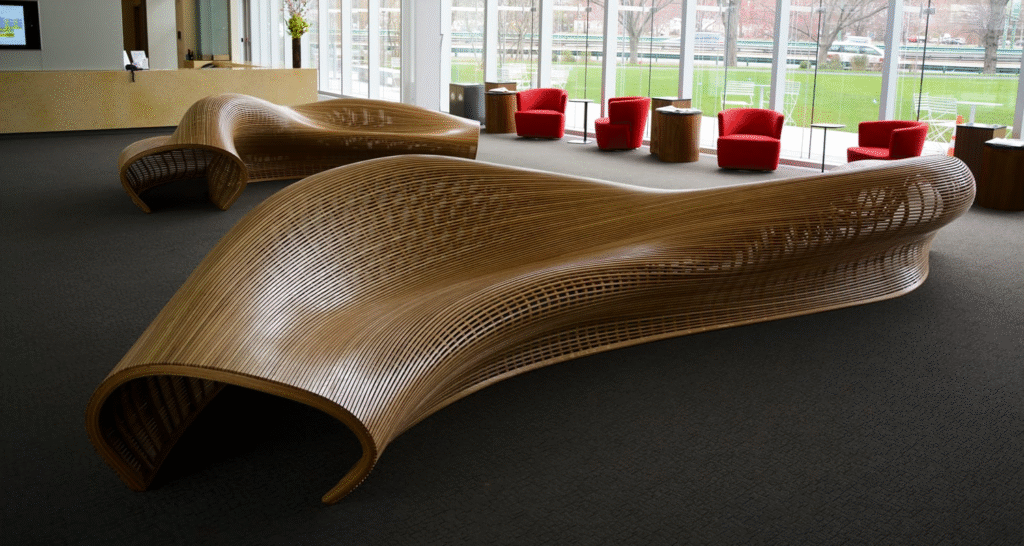
The rise of organic modern design has played a massive role in making rounded furniture popular again. Designers are increasingly taking inspiration from nature, where straight lines rarely exist. Rivers flow naturally, hills curve gently, and natural forms move fluidly. Soft architecture mimics these natural movements and brings a sense of harmony into built environments.
Biophilic interior design trends have also encouraged the use of curved architecture and organic shapes. Rounded furniture combined with natural materials like wood, stone, clay, linen, and textured fabrics creates interiors that feel grounded and connected to nature. This combination has become extremely popular in luxury homes, wellness spaces, boutique resorts, and sustainable architecture projects.
Curved interior design also improves visual flow within a room. Instead of abrupt visual interruptions caused by harsh angles, rounded forms guide the eye smoothly throughout the space. This creates interiors that feel open, balanced, and calming without appearing overly minimal or cold.
Also read – Top 10 Tallest Buildings in the World
Curved Sofas and Rounded Furniture Are Dominating Luxury Interiors
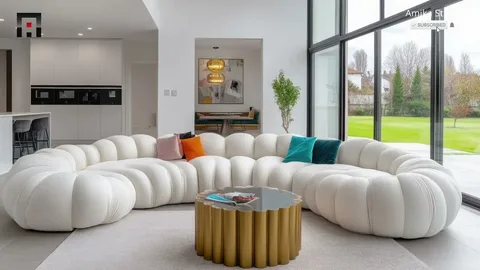
Among all rounded design elements, curved sofas have become one of the most recognizable furniture trends in modern interiors. Large curved couches, sculptural lounge chairs, crescent-shaped seating, and rounded ottomans are now common in luxury homes and designer spaces.
Curved furniture creates a softer social layout compared to traditional straight furniture arrangements. Rounded seating naturally encourages conversation and interaction, making living rooms feel more intimate and welcoming. This is especially important in open-plan homes where furniture helps define spatial flow.
Luxury interior designers are also using rounded furniture to create statement pieces. Sculptural curved furniture instantly adds elegance, sophistication, and artistic value to a space. Even a single curved accent chair or circular dining table can completely transform the visual language of a room.
The popularity of social media platforms has further accelerated this trend. Rounded interiors photograph beautifully because curves create depth, softness, and movement in images. As a result, curved furniture has become strongly associated with luxury interior aesthetics, high-end design, and aspirational living.
Soft Architecture Is Changing the Way Spaces Are Designed
Soft architecture goes beyond furniture. It includes curved walls, arched openings, rounded corners, fluid layouts, wave-like ceilings, and sculptural architectural forms. Architects are increasingly exploring how curves can create more immersive and emotionally engaging spaces.
In modern homes, curved hallways and rounded partitions help improve circulation while creating visual softness. Instead of rigid rectangular rooms, architects are designing flowing spaces that feel interconnected and open. This creates a more seamless living experience where architecture feels less mechanical and more human.
Commercial architecture is also embracing rounded design. Retail stores, luxury hotels, cafes, wellness centers, and office interiors are incorporating soft architectural elements to create memorable experiences. Rounded architecture helps spaces feel modern, premium, and visually unique without relying on excessive decoration.
Curved architecture also works extremely well with contemporary lighting design. Soft edges allow light to spread more naturally across surfaces, creating elegant shadows and warm atmospheres. This makes curved interiors feel more luxurious and immersive, especially in hospitality and residential design.
The Return of Retro Design Through Rounded Interiors
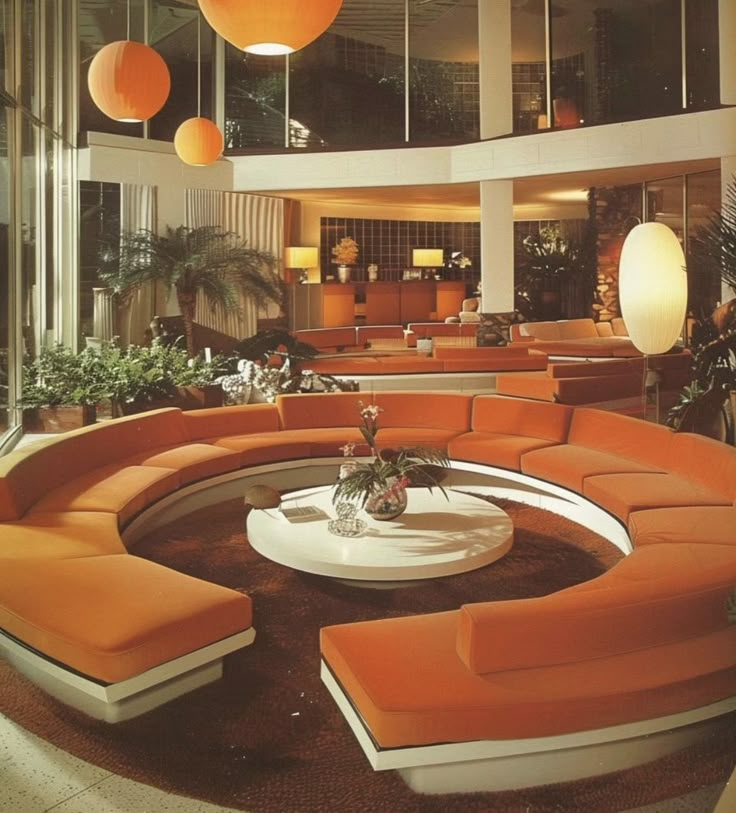
Another reason rounded furniture is trending is because modern interiors are drawing inspiration from retro design eras. The 1970s interior design movement heavily embraced curved furniture, organic forms, and sculptural aesthetics. Today’s designers are reinterpreting those ideas in a more minimal and contemporary way.
Rounded velvet sofas, circular lounge chairs, curved wood furniture, and sculptural lighting fixtures all reference vintage interior design while still feeling modern. This mix of nostalgia and contemporary aesthetics has made curved interiors incredibly appealing to younger homeowners and design enthusiasts.
Mid-century modern influences can also be seen in the use of soft silhouettes and rounded corners. However, today’s curved furniture trends feel more refined, minimal, and luxurious compared to older retro styles. This balance between vintage inspiration and modern sophistication is one of the reasons the rounded design trend continues to grow.
How Curved Design Improves Small and Large Spaces
Curved furniture and soft architecture are surprisingly versatile because they work well in both compact and expansive interiors. In smaller spaces, rounded furniture helps reduce visual heaviness. Sharp corners can make small rooms feel crowded, while curved edges create a softer and more open appearance.
In large luxury homes or commercial spaces, curved architecture helps break monotony and adds visual movement. Long straight corridors or oversized open spaces can sometimes feel cold and empty. Rounded forms introduce rhythm, flow, and sculptural beauty that make large interiors feel more engaging.
Interior designers also use curved furniture to improve movement within a room. Rounded edges create smoother circulation paths and make spaces feel less restrictive. This is especially useful in modern apartments, hospitality interiors, and collaborative office environments where fluid movement is important.
Why Social Media and Modern Aesthetics Love Rounded Design
The influence of Instagram-worthy interiors and digital design culture cannot be ignored when discussing the popularity of curved furniture. Rounded interiors appear softer, more luxurious, and visually balanced on camera. Curves naturally create depth and elegance in photographs and videos, making them highly shareable across social media platforms.
Luxury hotels, cafes, restaurants, and designer homes are increasingly using curved architecture to create visually iconic spaces that attract online attention. Rounded staircases, curved seating booths, sculptural walls, and wave-like ceilings have become signature elements in modern hospitality design.
Minimalist interior trends have also evolved because of this movement. Earlier minimalism often focused on sharp lines and rigid geometry, which sometimes felt cold or impersonal. Today’s soft minimalism combines clean aesthetics with rounded shapes, textured materials, and warm neutral tones to create interiors that feel both elegant and comfortable.

The Future of Curved Furniture and Soft Architecture
Curved furniture and soft architecture are more than just temporary interior design trends. They reflect a broader shift toward emotional design, wellness-focused spaces, and human-centered architecture. As people continue prioritizing comfort, calmness, and visual warmth in their environments, rounded interiors will likely remain a dominant design direction for years.
Architects and interior designers are increasingly experimenting with fluid forms, organic layouts, and sculptural furniture to create spaces that feel more immersive and connected. Advances in furniture manufacturing and architectural technology are also making complex curved designs easier to produce, further pushing the popularity of soft architecture.
From luxury residential interiors to modern commercial spaces, rounded design is redefining how contemporary environments look and feel. Curved furniture, organic architecture, and soft interiors are no longer niche concepts. They have become symbols of modern luxury, comfort, sophistication, and emotional well-being.
As design continues evolving, one thing is clear: the future of interiors is becoming softer, warmer, and beautifully curved.
FAQ
What is this post about? It covers the main idea with practical takeaways and examples.