
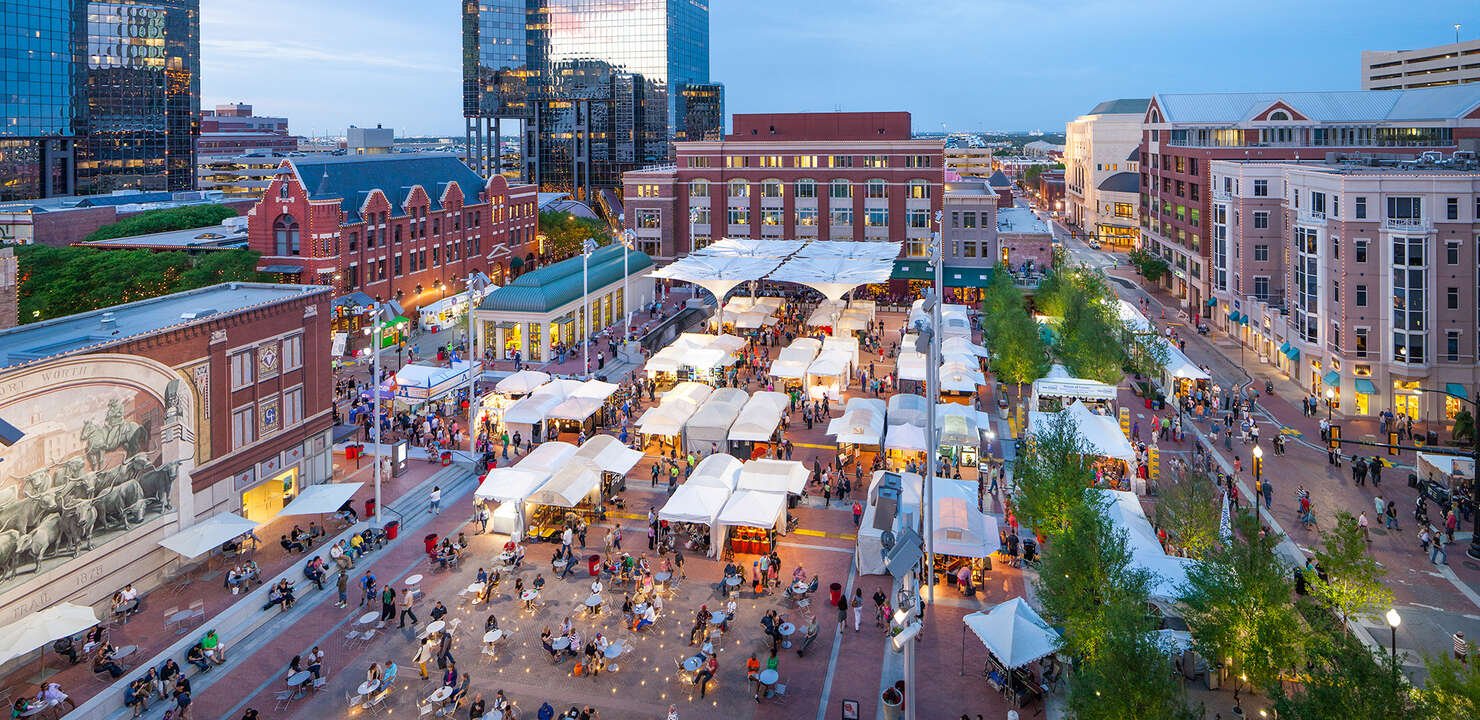
Take a stroll through a vibrant Barcelona plaza, a crowded street market in Marrakech, or Central Park in New York City on a sunny day, and you can sense it immediately: that pulse of life that makes a public space successful. People linger, gather, talk, watch, sit, and move about in a kind of improvised movement.
Take a walk through a deserted, windy plaza or a great big concrete park, and you can feel the opposite: a public space that doesn’t work. It isn’t necessarily big, beautiful, or expensive, and the problem has nothing to do with something superficial: the relationship of space and person.
So what makes those successful public spaces then? Let’s break it down using the best cities from around the world.
1. Human Scale: Places That Feel Right
One of the best indicators of a “working” public space is scale. Human beings are highly responsive to proportion, and rooms that are too big are always alienating.
Consider Piazza della Signoria in Florence. It is not huge, but it is big enough: the buildings encompass the space but do not overwhelm it, and individuals are at ease hanging around. Its human scale prompts congregation, conversation, and observation.
By contrast, many modern plazas built in front of office towers are too expensive and barren. People hurry across them rather than pausing. Successful spaces don’t dwarf us, but they hold us.
- Lesson: Don’t think about the skyline, think about the body. When people comfortably sit, stroll or visit a space, chances are it is properly dimensioned.
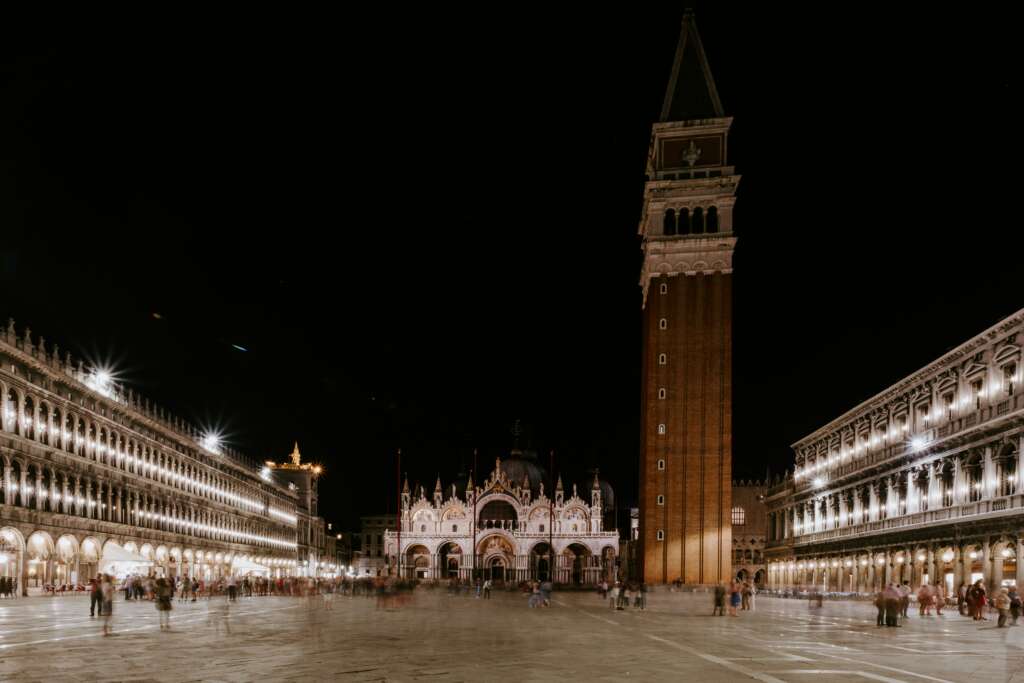
2. Accessibility and Flow: Easy to Reach, Easy to Use
Public space can only flourish if it is accessible to the public. Accessibility is not just for entrances and ramps only; accessibility is the connectivity of urban vitality.
Take Bryant Park in midtown Manhattan. It is centrally located, bounded by streets and has several access points. Edges are permeable, and traffic can flow inward from any side. It is open and promotes footfall and invitation.
Yards closed by screens or fenced in and which are accessible only by special paths are uninviting.
- Lesson: It feels porous and open if it is a public space that works. It blends with the daily currents of a city and doesn’t stand out.

3. Activity and “Sticky” Programming
People attract people. When a public space is great, it has reasons other than passing through it. It can range from moveable chairs, food stalls, up to playgrounds.
Think of Paris’s Luxembourg Gardens. Families, students, and visitors flock not only to the green but to events, such as reading aloud, sailing toy sailboats, or playing chess. Similarly, London’s Southbank succeeds due to its diverse programming, which includes street entertainment, food markets, galleries, and theatres.
Dead spaces rarely feature “stickiness.” Without things that make it worthwhile to linger, individuals will not.
- Lesson: Design with activity in mind. It doesn’t have to be over-programmed, but even small interventions like benches, kiosks, or interactive art create magnets for life.

4. Comfort and Safety
Public space works best when one is comfortable and feels safe. This implies sufficient lighting, visibility, and a mix of openness and cover.
Central Park in New York succeeds not only because of its scale but because it is layered with spaces of varying intimacy: open meadows and tree-canopied paths and benches at lake shores. Comfort is designed both for solitude and companionship.
Compare these with windswept plazas or poorly lit underpasses, and their accessibility. Although technically public spaces, they fail because nobody is comfortable using them.
- Lesson: Form is no more important than comfort. Seating that is covered, lit, and surveilled naturally (due to people around) all make a space feel safe.
5. Edges That Invite
Urban theorist William H. Whyte famously said that successful plazas have “active edges.” Cafes, storefronts, and dynamic building fronts spill out of buildings to blend interior and exterior seamlessly together.
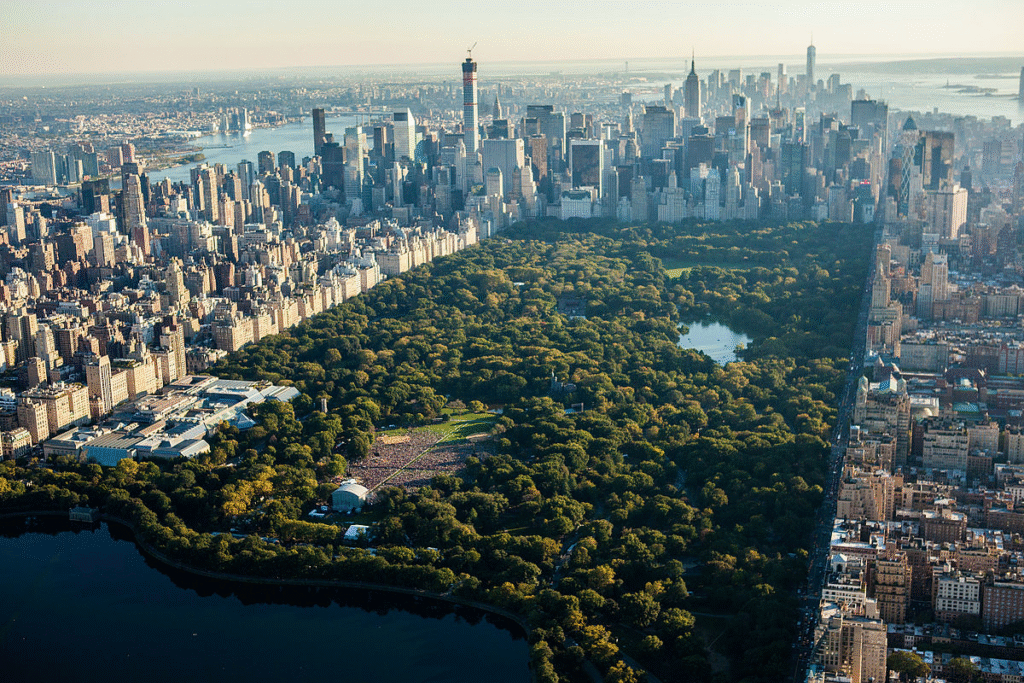
In other words, St. Mark’s Square in Venice flourishes not only with its open space but with the cafes and arcades along its edges. At their edges, people watch, sit, stroll, and blur the boundary between private and public life.
- Lesson: Blank walls kill public space. Vibrant edges—shops, windows, arcades—animate it.
6. Flexibility and Adaptability
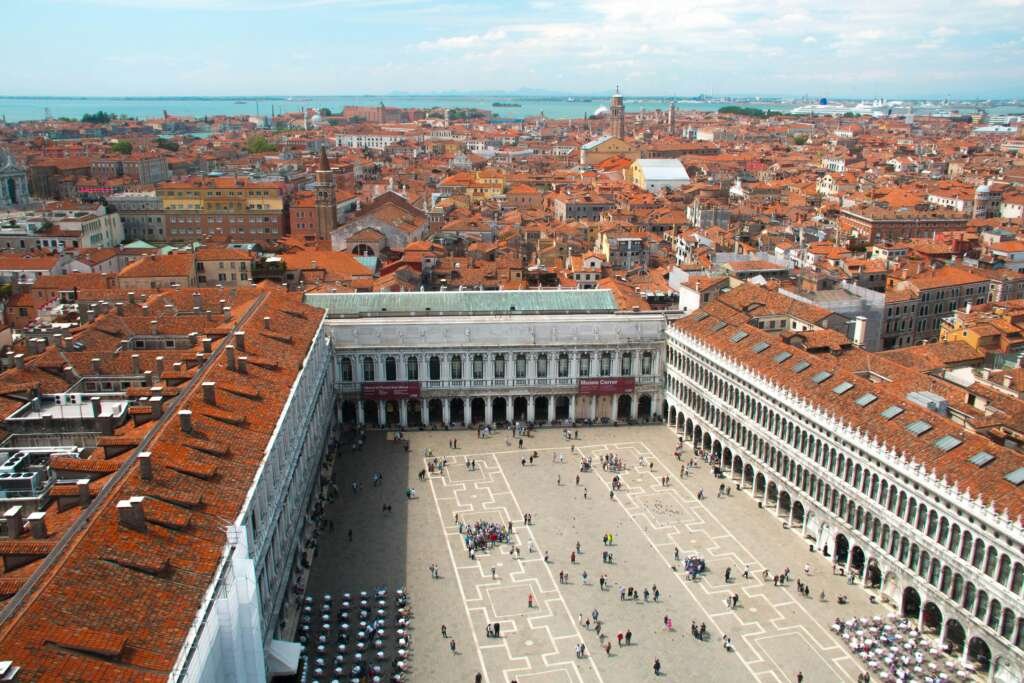
Cities evolve, and so does their use of space. Resilient public space can accommodate varying uses and timings.
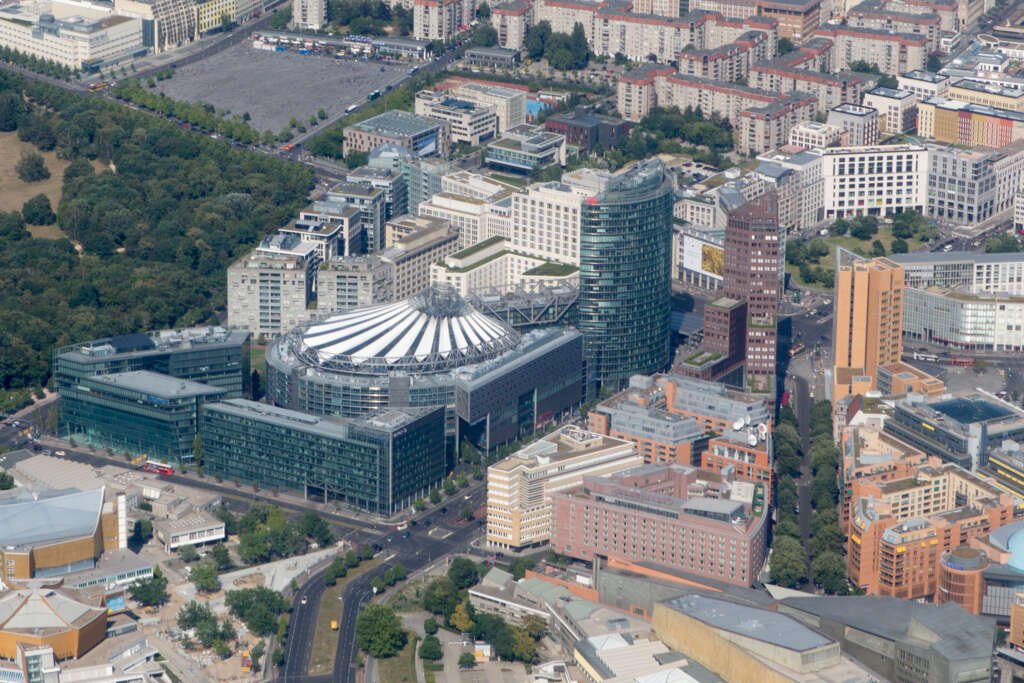
From being a no-man’s-land, the Potsdamer Platz of Berlin has now been transformed and envisioned as a vibrant series of plazas, performance areas, and cultural centres. Smaller community plazas are equally multifunctional and may double up as farmers’ markets on weekends, performance platforms come summertime, and sleepy hangouts during weekdays.
Stiff spaces that can only accommodate one user group tend to be obsolete after a while.
- Lesson: Design with change. Design space to accommodate various activities at different times of day and year.
7. Cultural Identity and Meaning
Lastly, public space is successful when it is related to cultural memory and identity. It is a representation of the city itself.
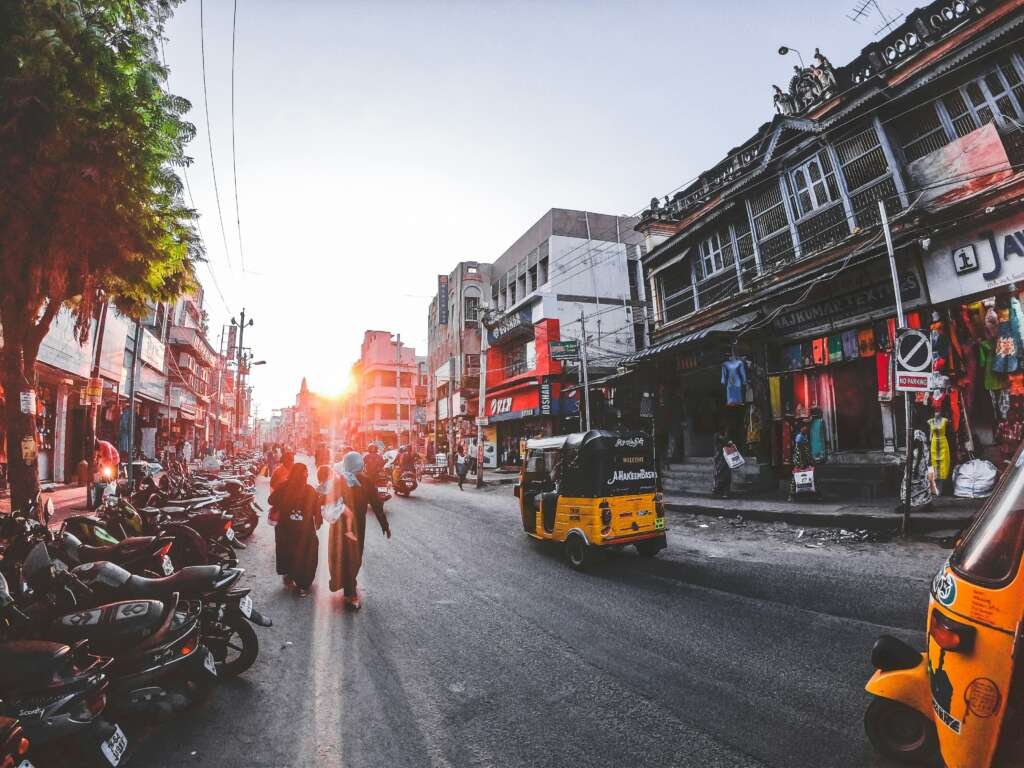
Imagine Times Square in New York. You know it: busy, neon-lit, overwhelming, and yet irrepressibly iconic. Or Varanasi’s Ghats, where religion, culture, and community come together by the Ganges. They are not where things happen; they are cultural and emotional centres.
- Lesson: Effective public space is not only functional; it has a narrative that portrays itself and its publics and is embedded within the public collective memory.

Why do Public Places go Wrong?
Spaces fail not because architects do not care, but very often because the beauty or monumentality scale is more important than human experience.
- Overemphasising great deeds renders life unsatisfying.
- Prioritising cars over pedestrians makes spaces hostile.
- Designing for awards rather than human beings leads to alienation.
The successful spaces reverse the narrative: they favour use rather than spectacle.
Also Read – 10 Skills That Matter More Than Your GPA in Architecture
Takeaways for Early Architects
You are an architecture student or young architect: This is the abridged counsel:
- Design furniture-around-people. Consider how someone can sit, talk, or lie down within your space.
- Define edges with great care. Where space and building intersect, life abounds.
- Take baby steps. Frequently, a few benches, some trees, or kiosks can rejuvenate a plaza more than a million-dollar fountain.
- To honour local culture. Let community storytelling guide the space.
Looking back, a public space succeeds only when it is owned by its citizens. When strangers are comfortable becoming neighbours, when movement becomes gathering, when grass and cement become memory, and that is when space is full of life.
The best public spaces are not judged by magazine photographs but by the life experienced within them every day. Want to know if space works? Do not look at the architecture. Look at human life. Is it present? Is it loitering? Is it laughing, talking, or simply being? That’s the test. That’s success.


Join the discussion