

Share This Article
A Housing Project That Looked Like the Future
When people discuss revolutionary architecture, innovative housing design, and ground breaking urban planning, Habitat 67 is often mentioned as one of the most influential projects ever built. Located in Montreal, Canada, Habitat 67 was not just another residential development. It was a bold experiment that challenged conventional ideas about apartment living, urban density, and modular housing.
Designed by architect Moshe Safdie, Habitat 67 introduced a new vision for modern housing. At a time when cities around the world were rapidly expanding and high-rise apartment blocks were becoming the norm, this modular housing project proposed something entirely different. It aimed to combine the advantages of suburban homes with the efficiency of urban apartment living.
More than five decades later, Habitat 67 remains one of the most celebrated examples of modular architecture, prefabricated construction, and innovative urban housing. Its influence can still be seen in contemporary residential developments, sustainable architecture projects, and modern modular housing solutions around the world.
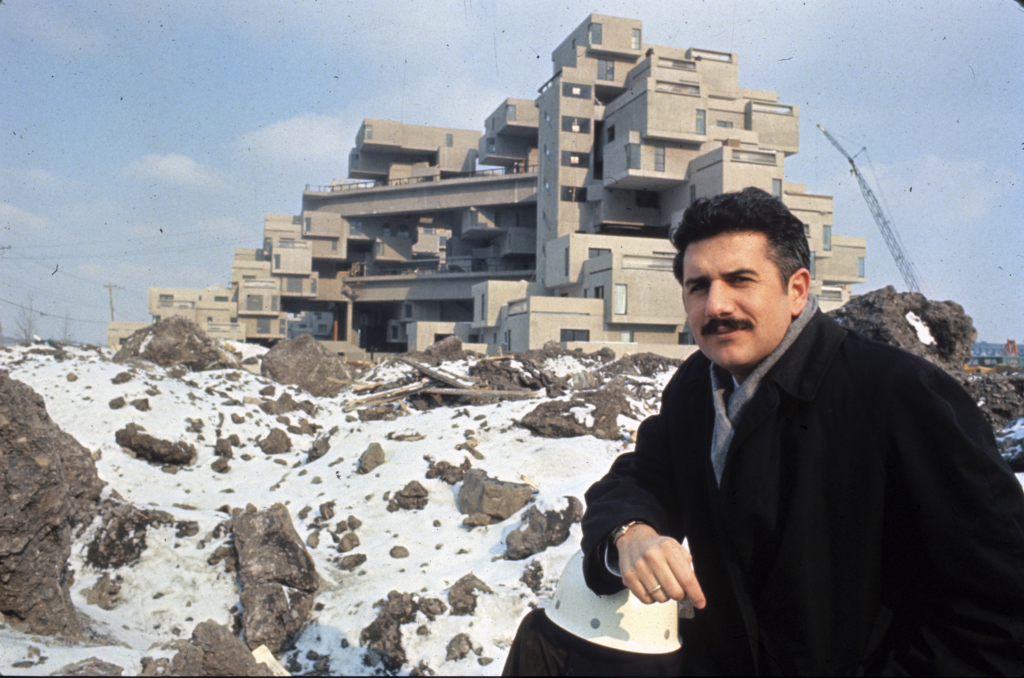
The Vision Behind Habitat 67
The story of Habitat 67 began as a university thesis project. Moshe Safdie, then a young architecture student, was fascinated by the challenges of urban growth and housing shortages. Cities were becoming more crowded, while many people still desired the privacy, greenery, and spaciousness associated with suburban homes.
Safdie believed that modern architecture could solve this problem. His idea was simple yet revolutionary: create a housing complex where every resident could enjoy natural light, fresh air, private outdoor space, and a sense of individuality without sacrificing urban density.
This concept eventually evolved into Habitat 67, a modular housing project that would become one of the most iconic examples of experimental architecture in the world.
Expo 67: The Perfect Stage for Innovation
Habitat 67 was constructed as part of the world-famous Expo 67 in Montreal. The international exposition celebrated innovation, technology, and the future of human living.
Expo 67 provided the ideal platform for showcasing Safdie’s ambitious vision. The project was intended to demonstrate how modular housing and prefabricated construction techniques could transform urban living. It represented a future where cities could grow vertically while maintaining the qualities people loved about traditional homes.
The result was a striking structure unlike anything the world had seen before. Its stacked concrete modules appeared to float in the air, creating a dramatic and futuristic silhouette that immediately captured global attention.
Understanding the Modular Housing Concept
What made Habitat 67 truly revolutionary was its modular design. Instead of constructing a conventional apartment building, the project was assembled using prefabricated concrete modules.
Each module was manufactured separately and then stacked together in various combinations. These concrete boxes were arranged strategically to create unique residential units while ensuring privacy, sunlight, and outdoor terraces for residents.
The modular housing system allowed multiple unit configurations. Some apartments consisted of a single module, while others combined several modules to create larger living spaces. This flexibility demonstrated the potential of modular architecture to adapt to different housing needs.
Today, modular housing has become increasingly popular due to its efficiency, sustainability, and cost-effectiveness. Habitat 67 was exploring these concepts decades before they became mainstream.

A New Approach to Urban Living
One of the biggest challenges facing urban housing developments has always been balancing density with quality of life. Traditional high-rise apartment buildings often maximize space but sacrifice privacy, natural ventilation, and access to green areas.
Habitat 67 approached this challenge differently. Every residence was designed with a private terrace, providing outdoor space typically associated with suburban houses. Large windows allowed abundant natural light, while the staggered arrangement of modules ensured better views and increased privacy.
This innovative urban housing model offered residents the best of both worlds. They could enjoy the convenience of city living while experiencing many of the benefits traditionally found in standalone homes.
The project demonstrated that high-density housing did not have to feel cramped or impersonal. Instead, it could be comfortable, human-centered, and connected to nature.
Why Habitat 67 Was Ahead of Its Time
Many architectural ideas introduced by Habitat 67 are now considered essential elements of modern residential design. Concepts such as sustainable urban development, mixed-density housing, prefabricated construction, and modular architecture are widely discussed today.
However, in the 1960s, these ideas were far from common. Most housing developments focused on efficiency and cost rather than resident experience. Habitat 67 challenged this mindset by prioritizing quality of life alongside urban density.
The project anticipated many of the challenges modern cities face today, including population growth, housing shortages, environmental concerns, and the need for sustainable development. It offered solutions that remain relevant more than fifty years later.
This foresight is one of the reasons Habitat 67 continues to be studied by architects, urban planners, and housing experts around the world.
The Challenges of Building Habitat 67
Despite its visionary design, Habitat 67 faced significant construction challenges. The project’s complexity made it difficult and expensive to build.
Originally, Safdie envisioned a much larger development consisting of thousands of modular units. However, budget constraints and construction difficulties limited the final scale of the project.
The prefabrication process was innovative but relatively untested at the time. Manufacturing, transporting, and assembling the concrete modules required extensive planning and engineering expertise.
As a result, Habitat 67 cost more than initially expected, making it difficult to replicate on a larger scale. Nevertheless, the project successfully demonstrated the possibilities of modular construction and inspired future innovations in the field.
Architectural Features That Make Habitat 67 Unique
One of the reasons Habitat 67 remains an architectural landmark is its distinctive appearance. The building consists of 354 concrete modules arranged in a complex geometric composition.
The stacked modules create a sculptural form that feels dynamic and organic rather than repetitive. Each residence has a unique layout, breaking away from the uniformity often associated with apartment complexes.
The design also emphasizes natural light, ventilation, and outdoor living. Private terraces, rooftop gardens, and interconnected spaces contribute to a more comfortable residential experience.
These architectural features continue to inspire contemporary housing developments seeking to create more livable urban environments.
Also read – The Story Behind the Kimbell Art Museum and the Powerful Architecture of Light
Habitat 67’s Influence on Modern Architecture
The influence of Habitat 67 extends far beyond Montreal. Architects and urban planners worldwide have drawn inspiration from its modular design principles and human-centered approach to housing.
Modern modular housing developments often incorporate ideas first explored by Habitat 67, including prefabricated construction, flexible layouts, private outdoor spaces, and sustainable design strategies.
The project has also influenced discussions about affordable housing, smart cities, and future urban development. As cities continue to search for innovative housing solutions, Habitat 67 remains a valuable case study in balancing density, sustainability, and quality of life.
Its legacy can be seen in contemporary residential towers, mixed-use developments, and experimental housing projects across the globe.
Habitat 67 and the Future of Sustainable Housing
As concerns about sustainability and urbanization continue to grow, Habitat 67 feels more relevant than ever. The project’s focus on efficient land use, modular construction, and resident well-being aligns closely with today’s sustainable housing goals.
Modern architects are increasingly revisiting modular architecture as a way to reduce construction waste, improve efficiency, and create adaptable housing solutions. Many of these efforts echo the principles first demonstrated by Habitat 67.
The project serves as a reminder that innovative thinking can transform how people live in cities. It shows that architecture can address social, environmental, and economic challenges while creating inspiring places to live.
A Visionary Experiment That Changed Housing Forever
Habitat 67 was far more than an architectural curiosity. It was a ground breaking modular housing experiment that challenged traditional ideas about urban living and residential design.
By combining prefabricated construction, modular architecture, private outdoor spaces, and high-density urban planning, Habitat 67 created a new model for modern housing. Although it was built more than half a century ago, its ideas continue to influence architects, developers, and city planners worldwide.
As cities face growing demands for sustainable housing and innovative urban development, Habitat 67 stands as a powerful reminder that the future of architecture often begins with bold experimentation. What once seemed like a futuristic dream has become a source of inspiration for the next generation of housing design, proving that Habitat 67 was truly ahead of its time.