
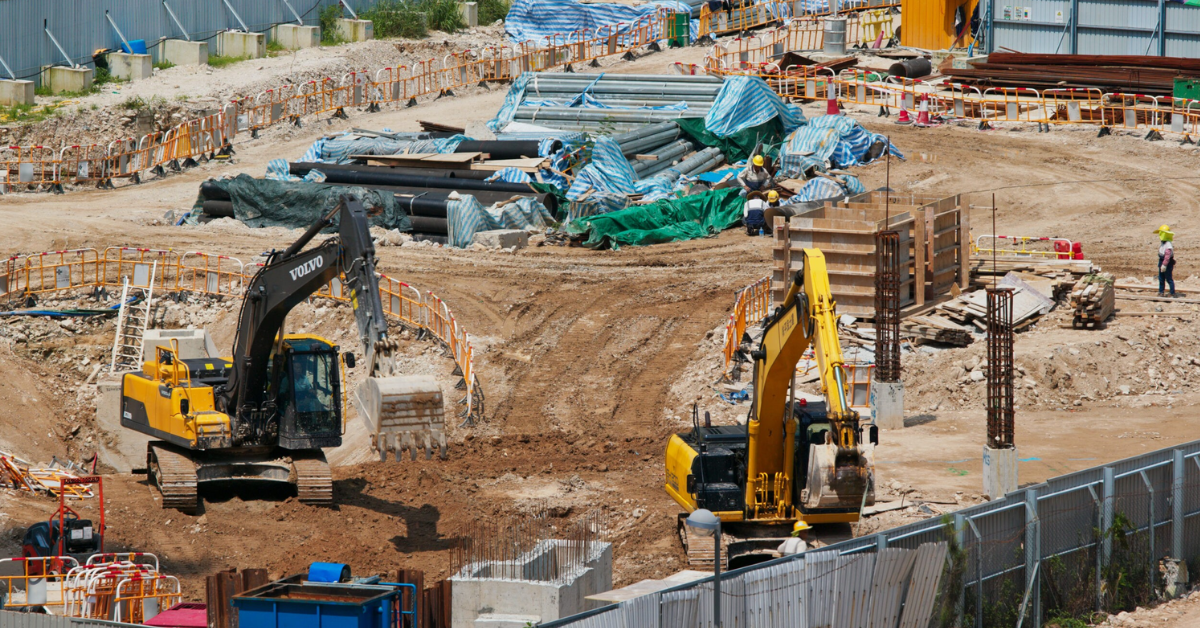
A construction project may look complete when the scaffolding comes down, the interiors are cleaned and the finishing touches are in place. But for architects, contractors, project managers, engineers and developers, this is often when one of the most important phases begins: the final construction quality inspection before project handover.
Project handover is much more than transferring keys from the contractor to the client. It is the point at which months or even years of planning, construction, coordination and investment are formally reviewed and accepted. A detailed construction quality checklist before project handover helps identify defects, incomplete work, safety concerns and documentation gaps before they become expensive problems.
From structural quality and waterproofing to MEP systems, finishes, fire safety and project documentation, every element needs to perform as intended. A strong project handover checklist protects the client, improves construction quality control and ensures that the completed building is safe, functional and ready for occupation.
Why Construction Quality Checks Matter Before Handover
The final stage of construction can be deceptive. A building may appear finished visually while several hidden issues remain behind ceilings, inside service shafts, beneath flooring or within electrical and plumbing systems.
A thorough construction quality inspection helps detect these problems before the building becomes operational. Addressing defects before project handover is usually easier, faster and less expensive than carrying out repair work after occupants have moved in.
Quality checks also establish accountability. Contractors know exactly what needs correction, consultants can verify that the work meets approved drawings and specifications, and clients receive greater confidence that the project they are accepting matches the agreed standards.
Start With a Detailed Final Site Inspection
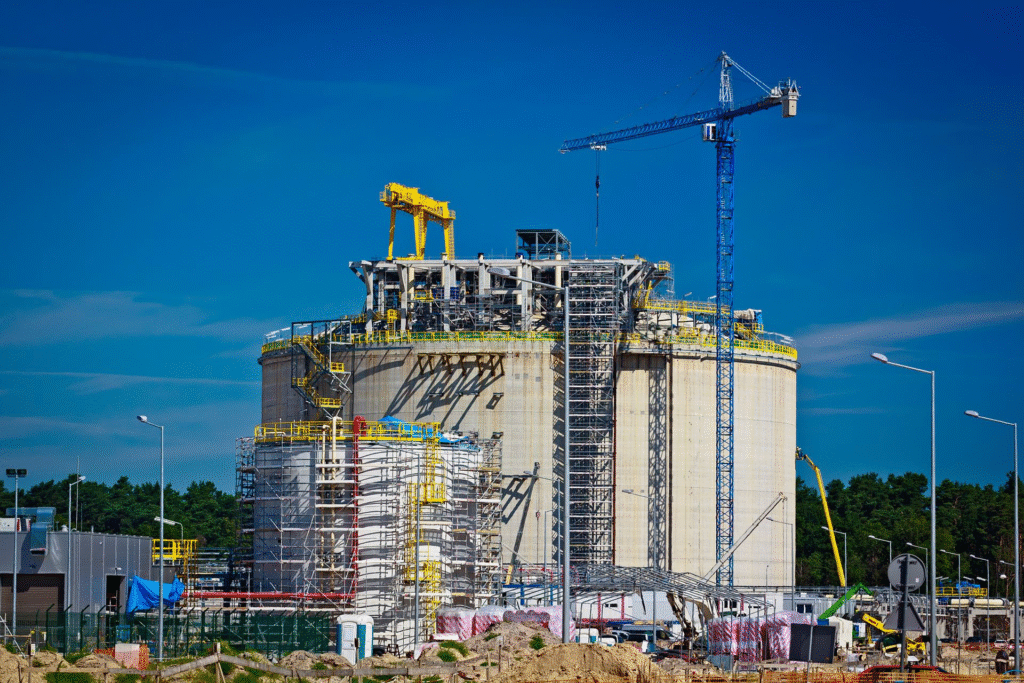
A complete final construction site inspection should cover every accessible area of the project rather than focusing only on prominent spaces such as entrances, lobbies and major rooms.
Inspect internal spaces, terraces, basements, rooftops, staircases, corridors, utility rooms, service shafts, external development and landscape areas. Small defects in overlooked spaces can quickly turn into maintenance problems once the building becomes operational.
The inspection should compare completed construction with approved architectural drawings, structural drawings, MEP drawings, specifications and contract requirements. Any deviation should either be corrected or formally approved before final handover.
Also read – Why Tjibaou Cultural Centre Is a Brilliant Example of Climate-Responsive Architecture
Structural Quality Should Never Be Assumed
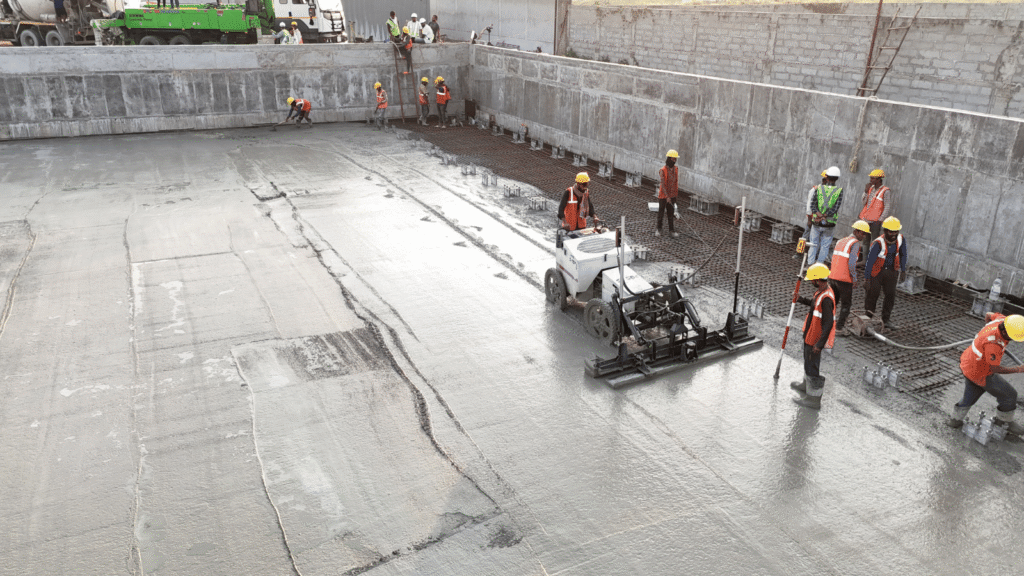
Structural works may be completed much earlier in the project, but visible structural components should still form part of the construction quality checklist before handover.
Columns, beams, slabs, retaining walls and exposed concrete surfaces should be checked for unusual cracks, honeycombing, settlement signs, water ingress or visible damage. Where structural concerns appear significant, they should be reviewed by the project’s structural engineer before acceptance.
The objective is not simply to inspect appearance. The final quality review should confirm that structural elements remain stable, protected and consistent with approved construction documentation.
Walls, Ceilings and Finishes Need Close Inspection
Finishes are among the first things occupants notice, making them an important part of any building handover inspection checklist. Walls should be checked for cracks, uneven plaster, paint patches, damp spots, stains and poorly finished joints.
False ceilings should appear level and properly aligned, with clean junctions around lights, sprinklers, air-conditioning diffusers and access panels. Ceiling boards should not display visible sagging, cracks or water damage.
Paint finishes should have consistent colour and texture throughout the space. Minor finishing defects may appear cosmetic, but poor workmanship at handover can significantly affect the perceived quality of the entire construction project.
Flooring Can Reveal More Than Surface-Level Problems
Flooring should be checked carefully for cracks, uneven levels, loose tiles, hollow sounds, damaged edges, staining and inconsistent joints. Materials such as marble, granite, vitrified tiles, wooden flooring and terrazzo require different inspection methods depending on their installation.
Floor slopes are especially important in bathrooms, balconies, terraces, kitchens and utility areas. Incorrect slopes can result in standing water and long-term moisture problems.
A detailed flooring quality inspection before handover should therefore examine appearance, alignment, installation and drainage performance rather than simply checking whether the flooring has been installed.
Doors and Windows Must Work, Not Just Look Finished
Every door and window should be opened, closed and locked during the final quality inspection. Door shutters should operate smoothly without scraping against flooring or frames, while hinges, locks, handles, closers and stoppers should function properly.
Windows should be checked for alignment, damaged glass, sealing gaps and water penetration risks. Sliding systems should move smoothly, and hardware should be securely installed.
External windows and glazed façades require particular attention because poorly sealed joints can allow rainwater and air leakage into the building. Proper testing before project handover can prevent repeated complaints later.
Waterproofing Is One Area Where Small Failures Become Expensive
Water leakage remains one of the most common post-handover construction problems. Waterproofing inspection therefore deserves special attention within any construction project handover checklist.
Bathrooms, terraces, balconies, roofs, basements, podiums and water tanks should be checked for leakage, dampness and signs of failed waterproofing. Where specified, pond tests or water-retention tests should be completed and recorded.
Drain outlets must also remain clear and correctly positioned. Even high-quality waterproofing can fail if drainage is blocked or water consistently collects in poorly sloped areas.
Plumbing Systems Need Functional Testing
A building’s plumbing system should be fully operational before the project is handed over. Sanitary fixtures, taps, mixers, showers, flush systems, floor traps and water connections should be checked for proper functioning.
Water pressure should be adequate across the building, while supply and drainage lines should be inspected for leakage. Washbasins, sinks and WC installations should be secure and correctly aligned.
Drainage performance deserves equal attention. Slow drainage, foul smells or backflow can indicate problems inside the system that may become significantly harder to repair after occupancy.
Electrical Quality Inspection Goes Beyond Switching On the Lights
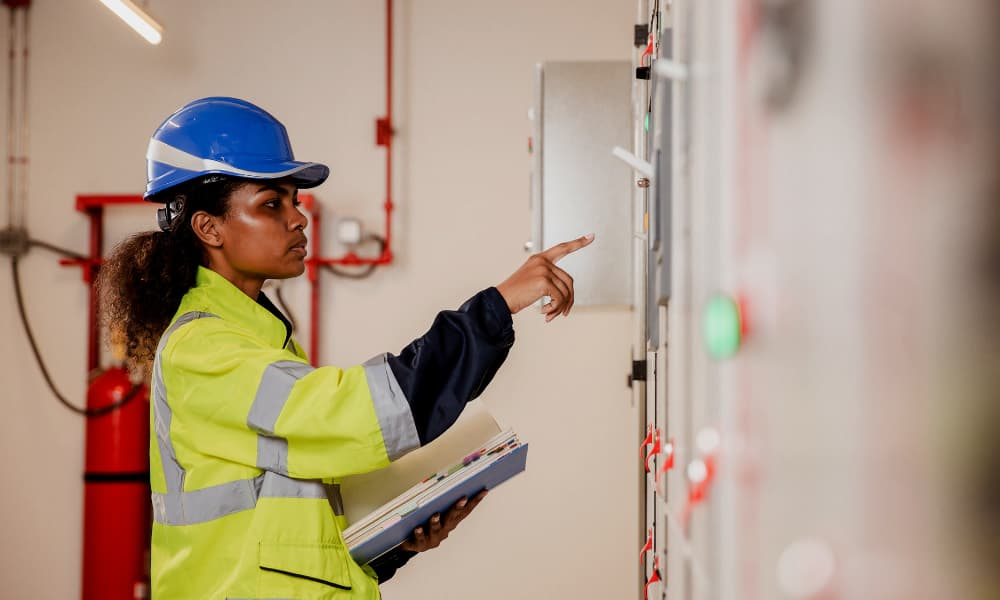
Electrical systems form a critical part of construction quality control before handover. Every switch, socket, lighting point and electrical fixture should be tested for operation.
Distribution boards should be correctly labelled, circuits should correspond with electrical drawings, and protective devices must be installed as specified. Earthing, insulation and electrical safety testing should be completed and properly documented.
Emergency power systems, generators, UPS systems and backup supplies should also be tested wherever applicable. The final inspection should confirm that electrical services are not only operational but safe and ready for regular building use.
HVAC Performance Can Make or Break Occupant Comfort
Heating, ventilation and air-conditioning systems should undergo commissioning before final building handover. Simply confirming that air is coming from a diffuser is not enough.
Airflow, cooling performance, temperature control, ventilation rates and equipment operation need verification. Indoor units, outdoor units, ducts, grills, diffusers and control systems should also be inspected.
Unusual noise, vibration or inconsistent cooling should be investigated before occupancy. Proper HVAC testing and commissioning can significantly reduce occupant complaints and improve the building’s long-term operational efficiency.
Fire and Life Safety Systems Demand Zero Compromise
No project handover quality checklist is complete without a comprehensive inspection of fire and life safety systems.
Fire alarms, smoke detectors, sprinklers, extinguishers, hydrants, hose reels, emergency lights, exit signage and fire doors should be checked and tested. Escape routes must remain clear, visible and accessible at all times.
Where approvals or certificates are required from local authorities, these documents should be obtained before occupation. Fire safety is not simply another compliance item on a construction checklist; it directly affects the safety of everyone using the building.
Test Lifts, Access Control and Other Building Systems
Modern projects often contain several specialised systems that need independent testing before project handover. Elevators should operate smoothly, stop accurately at floor levels and respond correctly to emergency controls.
Access control, CCTV, intercom systems, security alarms, parking systems, automatic doors and building management systems should also be checked wherever they form part of the project scope.
For complex developments, integrated testing is particularly valuable. Systems that work independently may still experience coordination problems when expected to communicate with other building services.
External Areas Deserve the Same Quality Attention
Construction quality inspection often becomes heavily focused on interiors, while external development receives comparatively little attention.
External roads, pathways, ramps, paving, boundary walls, parking areas, drainage channels and landscape works should all be reviewed before handover. Surfaces must drain correctly, paving should remain stable and slopes should allow safe movement.
External lighting, signage, gates and security infrastructure should also be tested. These elements create the first impression of a completed development and play an important role in everyday usability.
Accessibility Should Be Tested Through Real Movement
Accessibility requirements should be reviewed as part of the final construction handover inspection, particularly in public, commercial, institutional and multi-residential developments.
Ramps, handrails, accessible toilets, parking spaces, door widths, lifts and circulation routes should comply with applicable accessibility requirements. More importantly, the entire accessible route should work as a continuous journey.
A ramp that leads to an inaccessible doorway or an accessible washroom blocked by incorrect furniture placement defeats its purpose. Quality inspection should therefore consider how people actually move through the completed building.
The Snag List Turns Inspection Findings Into Action
One of the most valuable outcomes of a pre-handover inspection is the construction snag list, sometimes referred to as a punch list.
The snag list records unfinished work, workmanship issues, defective installations and items requiring correction. Each issue should clearly identify its location and describe the required rectification so that the contractor can respond efficiently.
Once corrective work has been completed, consultants or project representatives should carry out another inspection. Closing the snag list properly is essential because unresolved minor defects can quickly accumulate into major post-handover disputes.
Construction Documentation Is Part of Quality Too
A project is not fully handed over simply because physical construction is complete. Documentation is an equally important component of a professional construction project handover process.
As-built drawings should reflect the actual completed building, including changes made during construction. Operation and maintenance manuals should provide information required to operate equipment, services and building systems.
Testing reports, warranties, guarantees, material certificates, equipment data sheets, approvals and commissioning records should also be organised and handed over. Good documentation makes future repairs, maintenance and upgrades considerably easier.
Check Warranties Before They Disappear Into Project Files
Warranties and guarantees should be collected, reviewed and clearly communicated to the client or facility management team before handover.
Waterproofing systems, lifts, HVAC equipment, pumps, generators, electrical equipment, façade systems and specialised materials may each carry different warranty conditions and periods.
Creating an organised record of warranty dates, suppliers and service contacts allows facility managers to act quickly when a problem occurs instead of searching through old project correspondence.

Cleaning Is the Final Layer of Construction Quality
Professional handover requires more than basic site cleaning. Construction dust, adhesive marks, paint stains, packaging, debris and protective films should be completely removed.
Glass, sanitary fixtures, flooring, hardware and built-in furniture should be clean and ready for occupation. Service rooms, rooftops and basements should not become storage areas for leftover construction materials.
A clean building also makes final quality inspection easier because cracks, scratches, stains and finishing defects become far more visible.
Do Not Rush the Final Walkthrough
When deadlines are tight, project teams may feel pressure to conduct a quick walkthrough and hand over the building immediately. This is exactly when important defects are most likely to be missed.
The final project handover inspection should involve relevant architects, engineers, consultants, contractors, project managers and client representatives. Each discipline can identify issues that another team member may overlook.
Enough time should be allocated to physically test systems rather than relying only on visual observation. Opening doors, operating taps, testing switches, running equipment and checking drainage can reveal problems that drawings and reports cannot.
A Quality Handover Protects the Project Long After Construction Ends
The best construction projects are not defined only by dramatic architecture, premium materials or impressive completion photographs. Their real quality becomes evident months and years later, when the building continues to perform smoothly.
A comprehensive construction quality checklist before project handover creates that foundation. It brings structural inspection, finishing quality, MEP testing, waterproofing checks, fire safety, accessibility, documentation and snag rectification together before responsibility shifts to the client.
More importantly, the final quality inspection represents professional accountability. It asks one essential question before the project is declared complete: Is this building truly ready to be used?
When contractors, architects, consultants, developers and project managers treat handover as a critical stage rather than an administrative formality, fewer defects reach the occupants, maintenance becomes easier and client confidence increases.
Ultimately, a successful construction project handover is not simply the end of construction. It is the beginning of the building’s operational life. And the stronger the quality checks before that transition, the better the building is prepared to perform for everyone who will use it.





Join the discussion