

Coastal cities have a unique architectural character. Their buildings, streets and public spaces are shaped by the relationship between land and water. From historic waterfront districts to striking contemporary structures, these cities show how architecture can respond to the beauty and challenges of coastal environments.
Let’s explore five seaside cities where architecture and the coastline come together to create unforgettable urban landscapes.
Quick Take: Copenhagen, Lisbon, Sydney, Mumbai and Barcelona offer five different approaches to coastal architecture, combining waterfront landmarks, cultural heritage, contemporary design and thoughtful urban planning.
1. Copenhagen, Denmark – Contemporary Architecture Along the Harbour
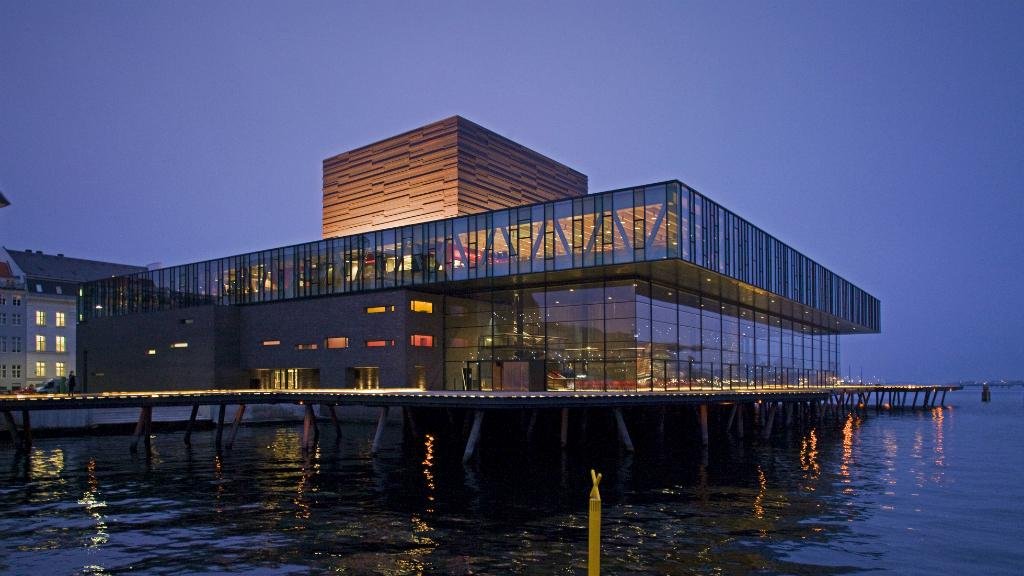
Copenhagen has transformed its harbourfront into an engaging public and cultural destination. Modern architecture sits alongside historic waterfront buildings, creating a cityscape that feels both innovative and connected to its maritime past.
One notable example is the Royal Danish Playhouse, designed by Lundgaard & Tranberg Architects. Its glass façade, brick surfaces and waterside wooden promenade create a strong connection between the building and the harbour. Other landmarks, including BLOX and the Royal Danish Opera House, add to the city’s contemporary architectural identity.
The city’s waterfront demonstrates how public spaces and cultural buildings can make the harbour an active part of everyday urban life.
2. Lisbon, Portugal – Where Historic Charm Meets Modern Design
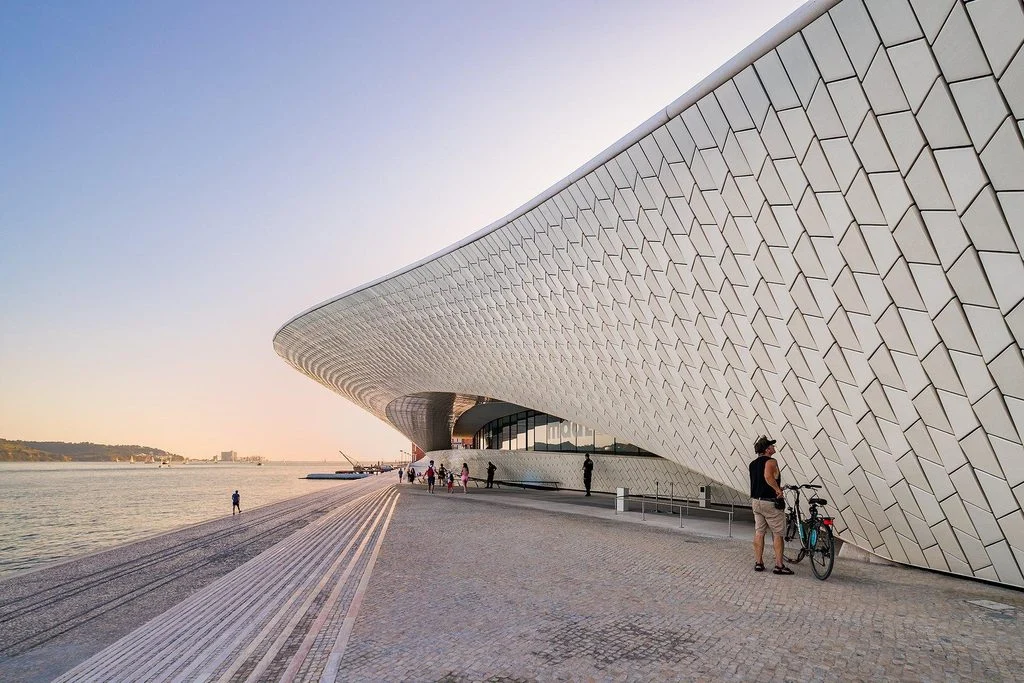
Lisbon’s relationship with the Tagus River has shaped its architecture, culture and urban identity for centuries. Historic waterfront landmarks sit alongside contemporary buildings, creating an interesting contrast between old and new.
A standout example is the Museum of Art, Architecture and Technology (MAAT), designed by Amanda Levete’s studio, AL_A. Its curved, white-tiled form follows the riverfront landscape, while its accessible rooftop creates an extension of the public promenade.
The museum connects contemporary architecture with Lisbon’s historic Belém district, showing how modern cultural buildings can contribute to the identity of an established waterfront.
3. Sydney, Australia – Architecture Framed by the Harbour
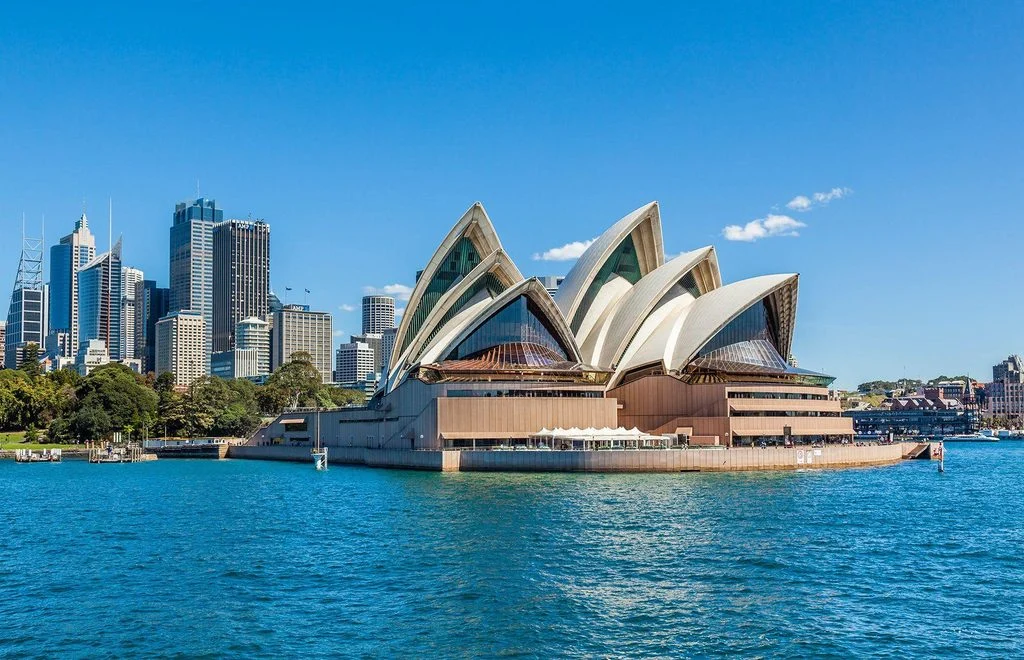
Sydney is home to one of the world’s most recognisable waterfront architectural landmarks: the Sydney Opera House.
Designed by Danish architect Jørn Utzon, the building is famous for its sculptural roof shells, which appear like sails rising above the harbour. Its position at Bennelong Point makes the surrounding water an essential part of the architectural experience.
Beyond its distinctive appearance, the Opera House demonstrates the possibilities of combining ambitious structural engineering with cultural purpose. Its terraces and public spaces connect the building to the surrounding harbour, making it an important part of Sydney’s urban landscape.
4. Mumbai, India – Art Deco Heritage Along the Arabian Sea
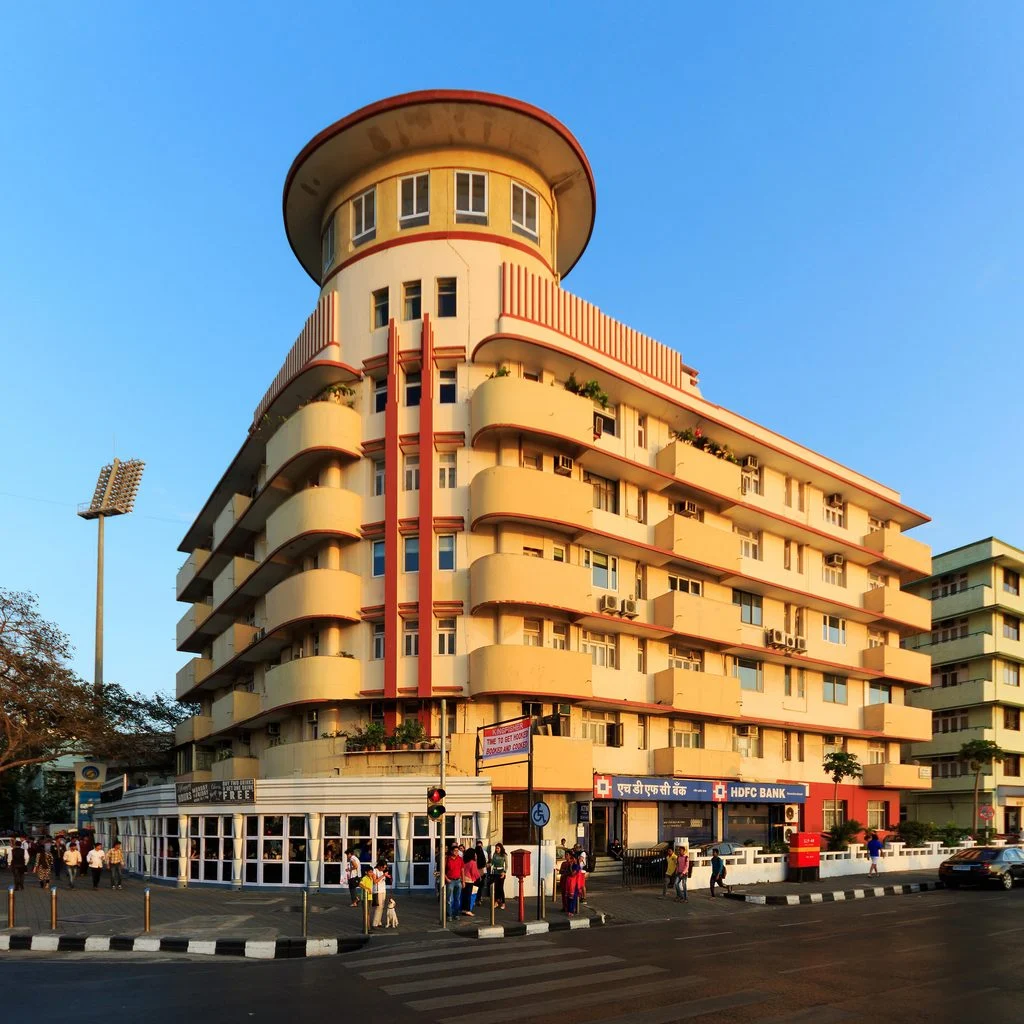
Mumbai’s coastal identity is closely connected to its historic buildings, particularly the Art Deco architecture lining Marine Drive.
The city’s Victorian Gothic and Art Deco Ensembles were recognised as a UNESCO World Heritage Site in 2018. The Art Deco buildings feature geometric detailing, curved balconies and streamlined forms that reflect an important chapter in Mumbai’s architectural development.
Marine Drive brings these buildings together with a sweeping coastal promenade overlooking the Arabian Sea. The combination of heritage architecture, public space and the waterfront gives this stretch of the city its distinctive character.
5. Barcelona, Spain – A Modern Skyline by the Mediterranean
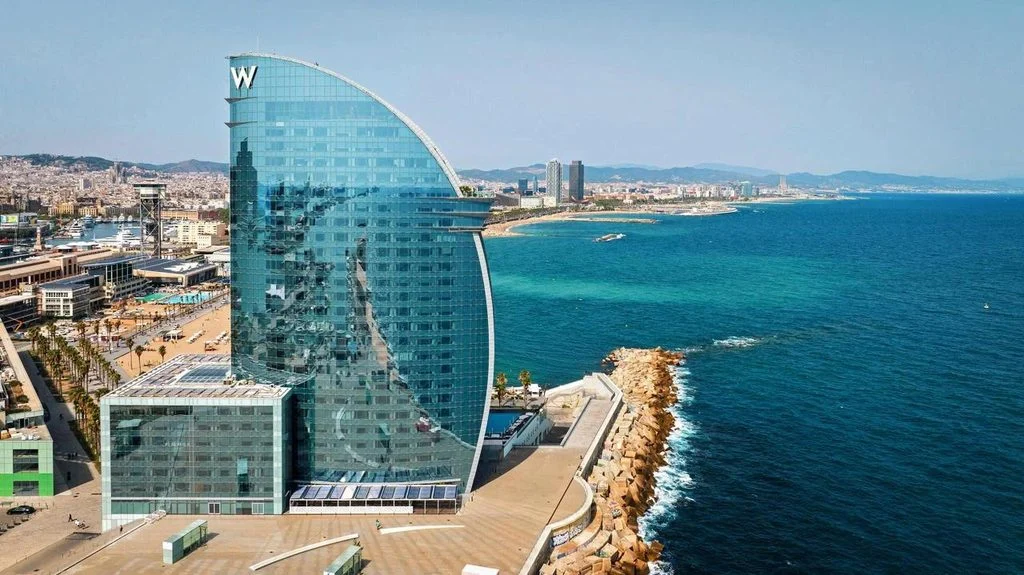
Barcelona offers a compelling mix of historic architecture, contemporary landmarks and carefully developed waterfront spaces.
One of its most recognisable modern buildings is W Barcelona, also known as Hotel Vela. Designed by Ricardo Bofill, the sail-shaped glass tower rises beside Barceloneta Beach, reflecting the city’s relationship with the Mediterranean Sea.
Barcelona’s waterfront transformation, particularly around the Olympic Port and Olympic Village, also demonstrates how urban planning can reconnect a city with its coastline through public spaces, beaches, promenades and new neighbourhoods.
How Coastal Architecture Shapes a City’s Identity
Coastal architecture is about more than creating attractive buildings beside the sea. It involves understanding the local climate, landscape, culture and relationship between public and private spaces.
These five cities illustrate different approaches to designing along the water. Whether through Copenhagen’s harbourfront cultural spaces, Lisbon’s contemporary riverfront museum, Sydney’s sculptural landmark, Mumbai’s Art Deco heritage or Barcelona’s modern waterfront, each demonstrates how architecture can strengthen a city’s connection with its natural surroundings.
The most memorable coastal cities are not simply built beside the water; they are designed to make the water part of the urban experience.
Research references
The project descriptions and architectural facts are supported by these sources:






Join the discussion