
India’s cultural richness is not only preserved in its palaces and forts but is also deeply embedded in its heritage hotels—historic structures transformed into luxurious escapes. These heritage properties are more than just places to stay; they are time capsules that transport guests to a different era while showcasing India’s diverse architectural styles, from Mughal and Rajputana to colonial and Indo-Saracenic.
Whether you’re an architecture enthusiast, a history lover, or a traveler seeking design-driven experiences, here’s a curated list of the most stunning heritage hotels in India and the architectural stories they tell.
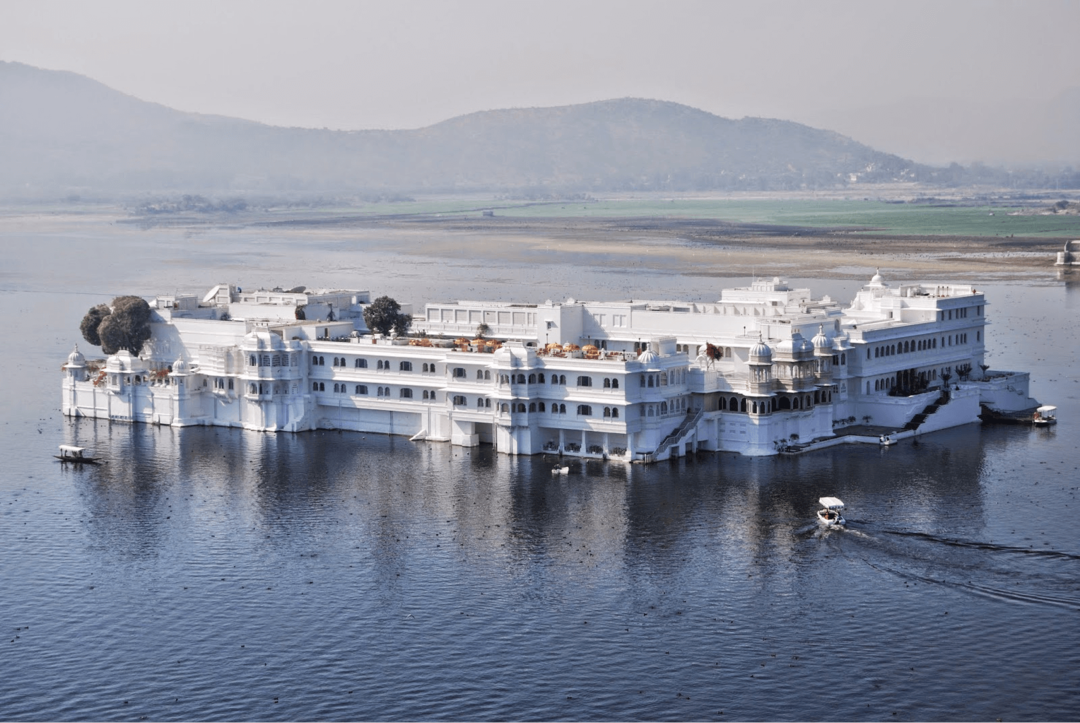
1. Taj Lake Palace, Udaipur
Architectural Style: Mewari-Rajput Architecture
Built: 1746 by Maharana Jagat Singh II
Floating like a dream in the middle of Lake Pichola, the Taj Lake Palace is a white marble marvel. Originally built as a summer retreat for royalty, its structure follows traditional Mewari style—characterized by delicate jharokhas (overhanging enclosed balconies), intricate marble carvings, and courtyards open to the sky. The palace is symmetrically aligned with the surrounding Aravalli Hills, and the spatial layout incorporates water as a core design element, making it one of the most romantic heritage hotels in India.

2. Neemrana Fort Palace, Rajasthan
Architectural Style: Rajput-Mughal Fusion
Built: 1464 AD
A 15th-century fort converted into a 70-room hotel, Neemrana Fort Palace sprawls across 14 levels. Its architecture is a striking blend of fortification elements—arched entrances, battlements, and stone turrets—alongside royal Rajasthani detailing such as carved wooden doors, frescoes, and stepped terraces. The adaptive reuse of the fort maintains its rugged charm while inserting modern amenities through concealed design interventions.

3. The Oberoi Grand, Kolkata
Architectural Style: Neo-Classical and Colonial
Built: Late 19th Century
Dubbed the “Grande Dame of Chowringhee,” The Oberoi Grand features a stately colonial façade, deep colonnaded verandahs, and high-arched windows. Its grand ballroom and chandelier-lit corridors harken back to the British Raj era. The building uses classical proportions and symmetry, with stucco ornamentation that complements its tropical adaptations like high ceilings for ventilation. This hotel stands as a living archive of colonial architecture in eastern India.

4. Taj Falaknuma Palace, Hyderabad
Architectural Style: Italian & Tudor Fusion
Built: 1894 by Nawab Vikar-ul-Umra
Perched 2,000 feet above Hyderabad, the Falaknuma Palace was modeled on an Italian villa with Tudor influences—featuring a scorpion-shaped layout, Venetian chandeliers, stained glass windows, and intricate frescoes. The grand staircase, library inspired by Windsor Castle, and a 101-seat dining hall lined with Belgian mirrors all reflect the global ambitions of Hyderabad’s Nizams. The palace seamlessly combines Indo-European aesthetics with Islamic geometry in its interiors.

5. Rajmahal Palace RAAS, Jaipur
Architectural Style: Art Deco with Indo-Saracenic Elements
Built: 1729; Renovated in the 20th century
A former royal guesthouse, Rajmahal Palace blends Art Deco glamour with Rajasthani elegance. The interiors are a spectacle of pastel wallpapers, mirrored ceilings, chevron flooring, and bold jewel-toned accents. While its exterior retains traditional chhatris (domed kiosks) and cusped arches, the design transitions into modernist luxury—a rare architectural narrative that combines royal history with avant-garde interiors.

6. The Imperial, New Delhi
Architectural Style: Art Deco with Victorian Colonial Influence
Built: 1936 by Bromfield
Set amid eight acres of gardens, The Imperial Hotel is a colonial masterpiece with Indo-European design sensibilities. It features Roman pillars, Burmese teak furniture, and Italian marble floors. The long corridors, framed photographs of British India, and the symmetrical planning of the spaces draw from classical European ideals while adapting to Indian climate conditions. It is a cultural and architectural landmark in central Delhi.

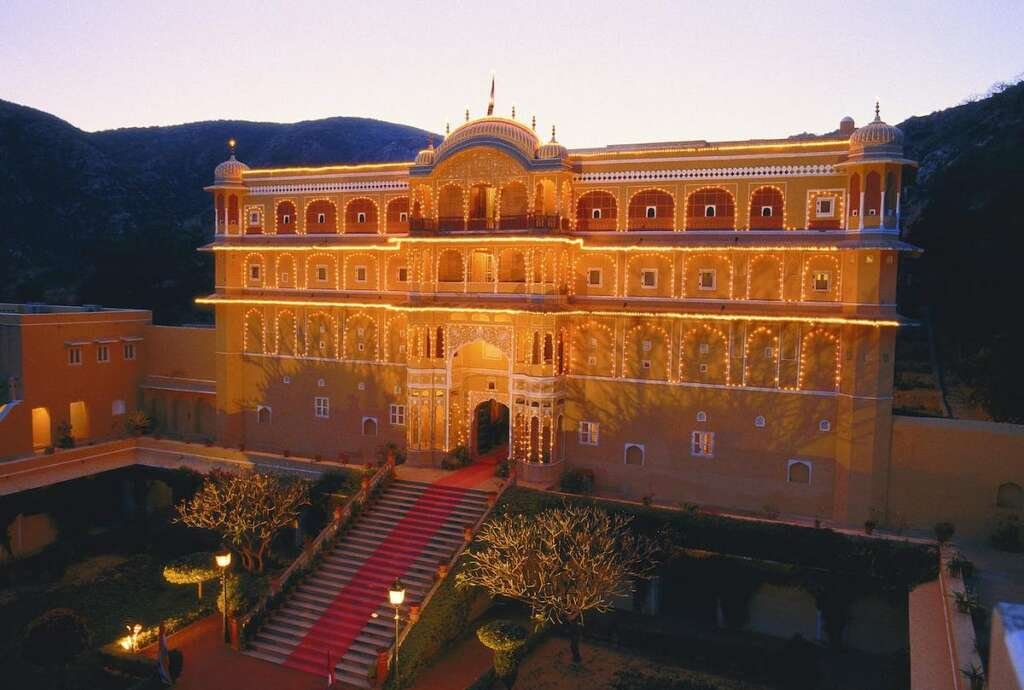
7. Samode Palace, Rajasthan
Architectural Style: Indo-Saracenic and Rajput
Built: 16th Century
A masterpiece in marble and mosaic, Samode Palace features Mughal-style gardens, mirror-worked halls (Sheesh Mahal), and elephant frescoes that date back centuries. The architecture focuses on visual storytelling, with Rajasthani miniature paintings and hand-painted walls that reflect the history of the ruling family. Its tiered courtyards and hidden staircases create a sense of mystery and grandeur rarely found today.
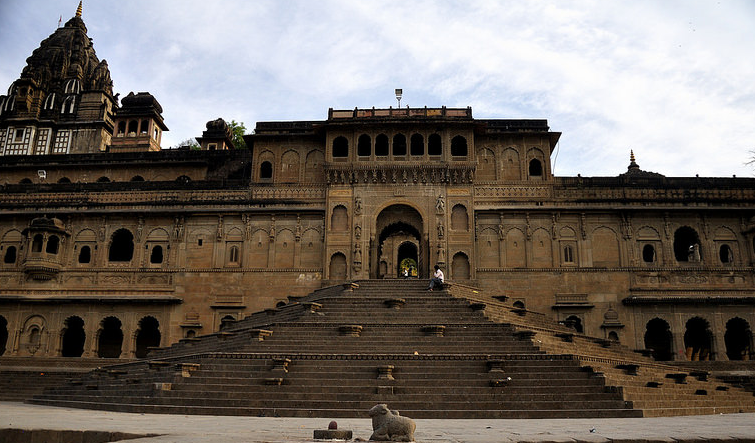
8. Ahilya Fort, Maheshwar
Architectural Style: Maratha
Built: 18th Century by Ahilyabai Holkar
Perched on the banks of the Narmada River, this lesser-known gem is a tribute to Maratha architecture—stone courtyards, carved brackets, scalloped arches, and temple motifs are intricately integrated into the design. The rooms are housed in restored havelis and bastions of the fort, preserving the original stonework and spatial organization. It feels both secluded and sacred, embodying the cultural dignity of central India.
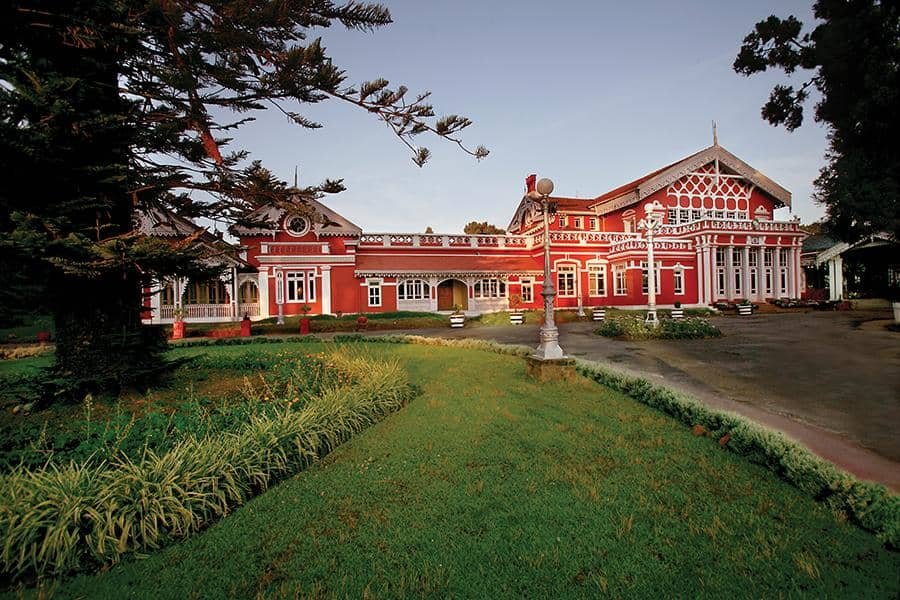
9. WelcomHeritage Ferrnhills Royale Palace, Ooty
Architectural Style: Victorian Gothic
Built: 1844
Once the summer palace of the Mysore Maharajas, this property echoes a Scottish baronial castle with its gabled roofs, exposed timber beams, and elaborate brickwork. The interiors flaunt Tudor-style wood panelling and arched fireplaces, while the exterior is surrounded by manicured lawns and rolling hills. Its mountain setting makes it one of the few examples of colonial hill station architecture still functioning as a luxury stay.
10. Laxmi Vilas Palace Heritage Hotel, Bharatpur
Architectural Style: Mughal-Rajput
Built: Early 20th Century
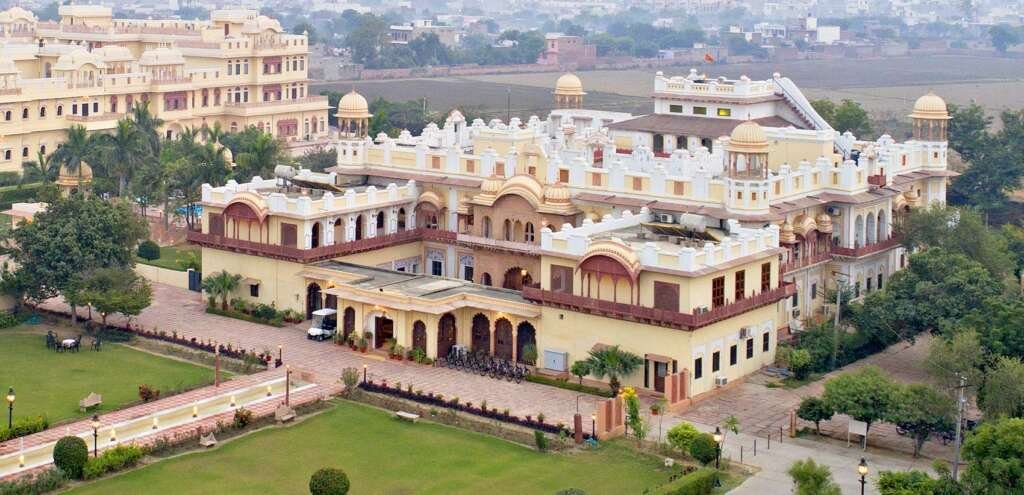
This palace-hotel in Bharatpur features Mughal-style gardens and Rajput architecture with sprawling courtyards, latticework windows, and multifoil arches. The symmetry of its layout and ornamental ceilings reflect the influence of Fatehpur Sikri. The property is not just a hotel—it is a preserved piece of Bharatpur’s royal heritage.
Also Read – Stay in a Starchitect’s Vision: Hotels Around the World Designed by Master Designers
Why These Hotels Matter to Designers and Travelers
- Architectural Diversity — From Rajput forts and colonial mansions to Art Deco palaces and lakefront havens, each property showcases a unique architectural lineage.
- Authentic Restoration — Many hotels are restored by local royal families or conservation-led teams, retaining original craftsmanship and historical integrity.
- Experiential Lodging — These hotels bring ambiance alive through frescoed corridors, courtyards, gardens, and signature materials like sandstone, marble, teak, and fresco art.
- Cultural Connection — Guests experience more than luxury—they witness India’s layered history through spatial storytelling, art collections, and architectural symbolism.
Conclusion: Staying Inside History
These heritage hotels in India are not just luxurious accommodations; they are enduring expressions of architecture and identity. They tell stories—of dynasties and revolutions, of climate and culture, of adaptation and artistry. Every carved cornice and ornamental balcony speaks to a time when buildings were crafted, not constructed.

Join the discussion