

Share This Article
Understanding Facade Design in Modern Architecture
Facade design is one of the most important elements of modern architecture. It is often the first thing people notice about a building, creating a lasting impression while influencing how the structure performs throughout its lifespan. A well-designed facade does much more than enhance aesthetics. It plays a critical role in energy efficiency, thermal comfort, daylight control, weather protection, and overall building performance.
In today’s rapidly evolving construction industry, facade design has become a key consideration for architects, developers, engineers, and property owners. As cities grow denser and sustainability becomes a priority, high-performance facade systems are helping buildings become more efficient, comfortable, and environmentally responsible.
The modern building facade serves as a bridge between the indoor environment and the outside world. It controls heat, light, air, and moisture while contributing to the architectural identity of a structure. Whether it is a commercial tower, residential development, institutional building, or mixed-use project, facade design directly impacts both functionality and visual appeal.
Why Facade Design Matters More Than Ever
The role of facade design has evolved significantly over the years. Traditionally, facades were mainly designed for appearance and structural protection. Today, they are expected to perform multiple functions simultaneously.
A high-quality facade design improves energy efficiency by reducing heat gain during summer and minimizing heat loss during winter. This helps lower energy consumption and operational costs. At the same time, modern facade systems enhance occupant comfort by regulating indoor temperatures and improving natural daylight penetration.
In urban environments where buildings compete for attention, facade architecture also plays a major role in branding and identity. Iconic facades help projects stand out while creating memorable visual experiences for users and visitors.
The Relationship Between Beauty and Facade Design
A building’s exterior tells a story long before anyone enters the space. This is why architectural facade design is often considered the face of the building. Through materials, textures, patterns, colors, and geometry, facades communicate the design intent and character of a project.
Modern facade design allows architects to create visually striking structures that reflect innovation, culture, and functionality. Glass facades create transparency and openness, while metal facades offer a sleek and contemporary appearance. Stone facades provide timeless elegance, and sustainable facade materials help communicate environmental responsibility.
The beauty of facade design lies in its ability to balance aesthetics with performance. A visually stunning facade that fails to control heat or weather conditions may not deliver long-term value. Conversely, a highly efficient facade that lacks visual appeal may struggle to create a strong architectural identity. The most successful projects achieve both.
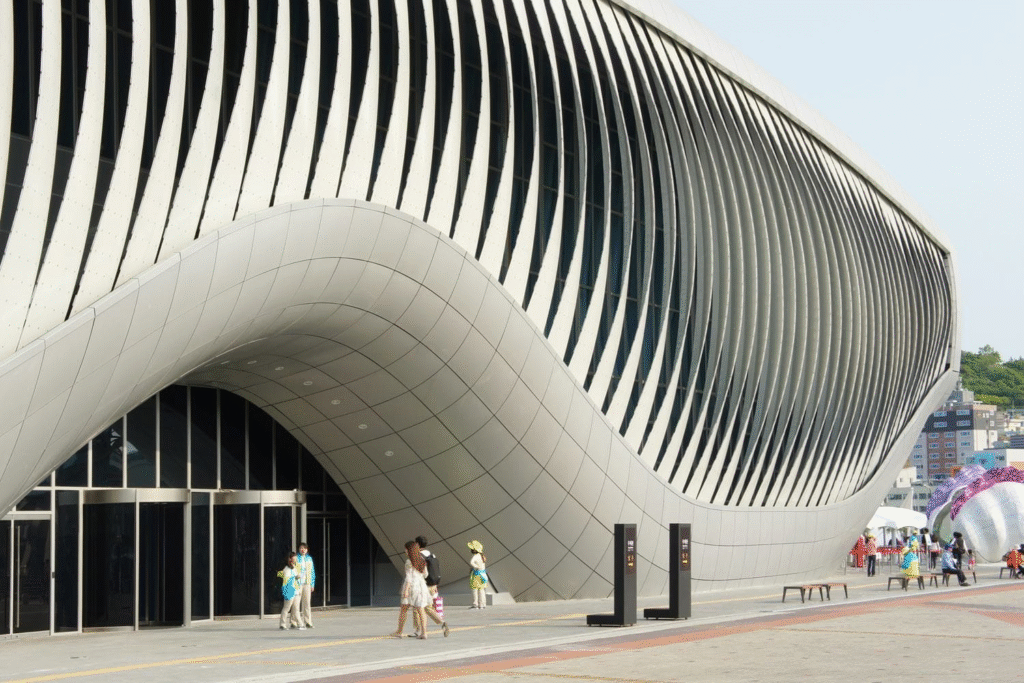
How Facade Design Provides Shade and Solar Control
One of the most important functions of facade design is controlling solar exposure. Excessive sunlight can increase indoor temperatures, create glare, and raise cooling costs. Effective facade shading systems help address these challenges while improving occupant comfort.
Architectural shading devices such as louvers, fins, screens, and perforated panels reduce direct solar radiation before it enters the building. These facade elements act as protective layers that improve thermal performance while maintaining access to natural daylight.
In hot climates, facade shading design becomes particularly important. Buildings that incorporate external shading systems often require less mechanical cooling, leading to reduced energy consumption and improved sustainability. By strategically managing sunlight, facade systems help create comfortable interior environments while enhancing the visual character of the building.
Facade Design and Energy Efficiency
Energy-efficient facade design is becoming a cornerstone of sustainable architecture. The building envelope plays a significant role in determining how much energy a structure consumes throughout its lifecycle.
A well-designed facade minimizes unwanted heat transfer while maximizing natural lighting opportunities. This reduces dependence on artificial lighting and air conditioning systems, resulting in lower operational costs and improved environmental performance.
Advanced facade technologies such as double-skin facades, ventilated facades, high-performance glazing, and insulated cladding systems are transforming how buildings manage energy. These facade solutions create barriers against excessive heat while supporting ventilation and daylight optimization.
As governments and organizations push for greener buildings, sustainable facade design is increasingly viewed as a strategic investment rather than an architectural feature alone.
The Impact of Facade Design on Building Performance
Building performance depends on many factors, but facade systems remain one of the most influential. The facade acts as the primary interface between internal spaces and external environmental conditions.
Effective facade design improves thermal performance by reducing heat gain and heat loss. It also enhances acoustic performance by minimizing external noise, making indoor environments more comfortable and productive.
Moisture management is another critical aspect of building performance. Properly designed facade systems prevent water infiltration, reduce maintenance issues, and protect structural components from deterioration. In regions with extreme weather conditions, resilient facade solutions contribute significantly to long-term durability.
Ultimately, building performance is closely tied to the quality of the facade. A high-performance facade can improve occupant well-being, lower operational expenses, and extend the lifespan of the building.
Also read – Wellness Architecture: Designing Homes and Workplaces for Better Living
Modern Facade Materials Shaping Contemporary Architecture
The choice of facade materials has a direct impact on both aesthetics and performance. Architects today have access to a wide range of innovative materials that combine durability, sustainability, and visual appeal.
Glass remains one of the most popular facade materials due to its ability to maximize daylight and create transparent, elegant buildings. Advances in glazing technology have improved thermal performance, allowing glass facades to achieve higher energy efficiency standards.
Metal facade systems offer flexibility, durability, and modern aesthetics. Aluminum panels, perforated screens, and composite cladding solutions are commonly used in commercial and institutional projects.
Natural stone continues to be valued for its timeless appearance and durability. Meanwhile, terracotta facades, fiber cement panels, and engineered wood products are gaining popularity for their sustainability benefits and architectural versatility.
The growing focus on sustainable facade materials is encouraging designers to select products that reduce environmental impact while maintaining high levels of performance.

Sustainable Facade Design for Future-Ready Buildings
Sustainability has become a defining factor in contemporary architecture, and facade design plays a major role in achieving environmental goals. Sustainable facade strategies help reduce energy consumption, lower carbon emissions, and improve occupant comfort.
Green facades and living walls are becoming increasingly common in urban environments. These systems contribute to biodiversity, improve air quality, and provide natural insulation. Similarly, responsive facade technologies can adapt to changing environmental conditions, optimizing performance throughout the day.
Many sustainable buildings now integrate renewable energy systems directly into facade designs. Building-integrated photovoltaics allow facades to generate electricity while maintaining architectural quality.
As cities continue to address climate challenges, sustainable facade design will remain central to creating resilient and future-ready developments.
The Rise of Smart Facade Technology
Technology is transforming the way facade systems function. Smart facades use sensors, automation, and responsive materials to adapt to environmental conditions in real time.
Dynamic facade systems can adjust shading levels, control daylight penetration, and optimize thermal performance throughout the day. These intelligent solutions help improve energy efficiency while enhancing user comfort.
Smart facade design is particularly valuable in commercial buildings where energy performance and occupant experience are key priorities. As technology advances, adaptive facades are expected to become increasingly common across various building types.
The integration of data-driven design and smart building technologies is redefining what modern facades can achieve.
Facade Design as a Long-Term Investment
Many people view facade design primarily as an aesthetic decision, but its value extends far beyond appearance. A high-performance facade contributes to lower energy costs, reduced maintenance requirements, improved occupant satisfaction, and greater property value.
Developers and building owners are increasingly recognizing that investing in quality facade systems delivers measurable long-term benefits. Buildings with efficient facade designs often achieve higher sustainability ratings, attract tenants more easily, and maintain stronger market appeal.
As construction costs and environmental concerns continue to rise, facade design is becoming one of the most strategic investments in the entire building lifecycle.
Conclusion
Facade design is far more than a decorative layer attached to a building. It is a critical component that influences beauty, shade, sustainability, energy efficiency, occupant comfort, and overall building performance. From solar control and thermal regulation to architectural identity and environmental responsibility, the facade serves as one of the most important elements of modern architecture.
As the demand for sustainable buildings and high-performance architecture continues to grow, innovative facade design solutions will play an even greater role in shaping the future of our cities. Buildings that combine stunning aesthetics with intelligent facade performance will not only stand out visually but also deliver lasting value for generations to come.