
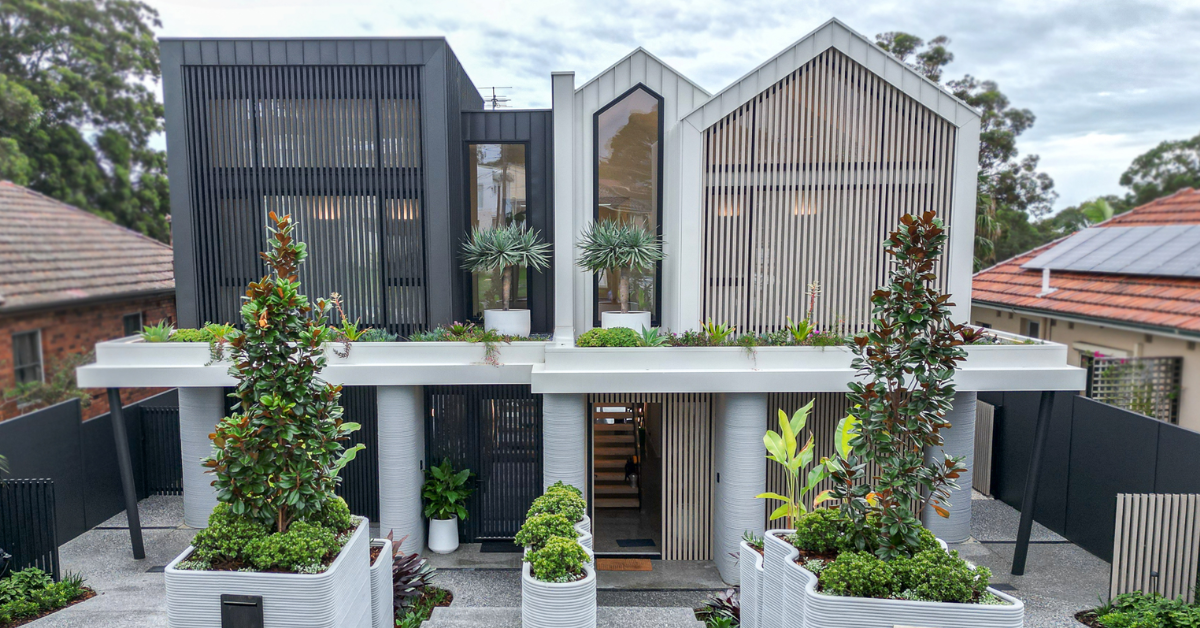
A New Era in Home Construction
The construction industry is undergoing a major transformation, and one of the most exciting innovations leading this change is 3D printed homes. As housing demand continues to rise across the world, developers, architects, engineers, and governments are searching for faster, more affordable, and sustainable construction methods. This is where 3D printed construction technology is making a significant impact.
Unlike traditional building methods that rely heavily on manual labor, extensive materials, and long construction timelines, 3D printed houses can be built using automated systems that create walls and structural components layer by layer. This revolutionary approach is changing how homes are designed, constructed, and delivered to homeowners.
As technology advances, many experts believe that 3D printing in construction could become one of the most important solutions for addressing housing shortages, reducing construction costs, and creating more sustainable communities.
What Are 3D Printed Homes?
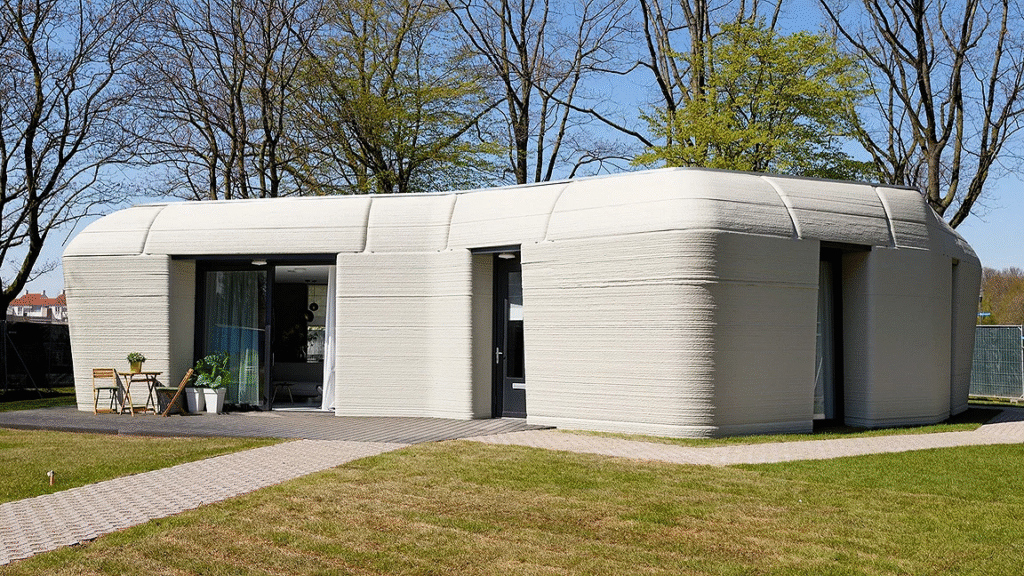
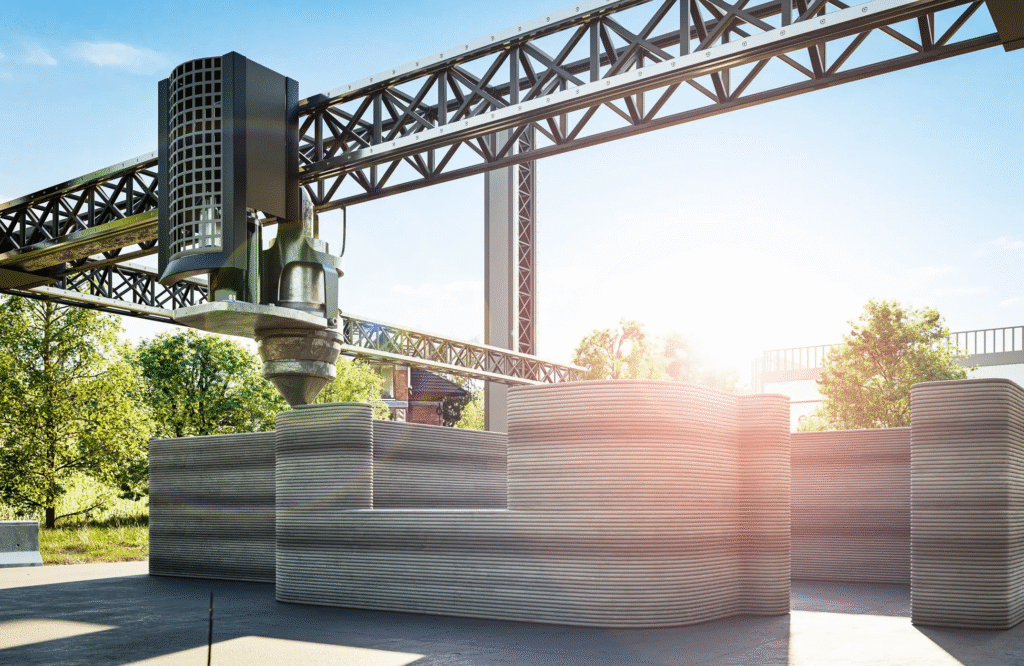
A 3D printed home is a house constructed using large-scale 3D printers that deposit layers of specially formulated concrete or construction materials according to a digital design. These printers follow precise computer-generated instructions to create walls and structural elements with remarkable accuracy.
The process begins with a digital architectural model. Once the design is finalized, a giant robotic printer moves along a predetermined path, depositing layers of material until the desired structure is formed. This method significantly reduces the need for traditional bricklaying, formwork, and other labor-intensive construction activities.
The result is a durable, efficient, and highly customizable home that can often be completed in a fraction of the time required by conventional construction methods.
Why 3D Printed Homes Are Gaining Global Attention
The growing popularity of 3D printed housing is largely driven by the need for affordable and accessible housing solutions. Cities around the world are experiencing rapid urbanization, putting enormous pressure on housing infrastructure and construction resources.
Traditional construction projects frequently face delays due to labor shortages, rising material costs, and complex logistics. In contrast, 3D printed construction offers a streamlined process that minimizes many of these challenges.
Governments, developers, and housing organizations are increasingly exploring 3D printed affordable housing projects because they offer the potential to build more homes in less time while maintaining quality and structural integrity.
Faster Construction Than Ever Before
One of the most remarkable advantages of 3D printed houses is speed. Traditional home construction can take several months or even years depending on project size and complexity. However, many 3D printed homes have been completed in just a few days.
The automation involved in 3D printing construction technology allows continuous building operations with minimal interruptions. Since the printer follows a digital blueprint, there is no need for many of the manual processes that typically slow down construction projects.
This rapid construction capability is particularly valuable for emergency housing, disaster recovery projects, and regions facing urgent housing shortages. Faster project completion also helps developers reduce costs and accelerate project delivery.
Making Housing More Affordable
One of the biggest challenges in the global real estate market is affordability. Rising land prices, labor expenses, and material costs have made homeownership increasingly difficult for many people.
Affordable 3D printed homes offer a promising solution by significantly reducing labor requirements and material waste. Since the printing process uses only the amount of material needed for construction, there is less excess waste compared to traditional methods.
Lower construction costs can translate into lower housing prices, making homeownership more accessible for first-time buyers, low-income families, and underserved communities. As technology becomes more widespread, the cost advantages of 3D printed housing construction are expected to become even more substantial.
Sustainability and Environmental Benefits
Sustainability has become a major priority in the construction industry, and 3D printed homes align closely with green building principles. Traditional construction often generates significant amounts of waste, consumes large quantities of resources, and contributes to environmental pollution.
With 3D printed construction, materials are deposited precisely where needed, reducing excess usage and minimizing waste. Many companies are also exploring environmentally friendly construction materials, recycled components, and low-carbon concrete mixtures.
The efficiency of the printing process can reduce transportation requirements, lower energy consumption, and decrease the overall environmental footprint of residential construction. These advantages make sustainable 3D printed housing an attractive option for future urban development.
Design Flexibility and Architectural Innovation
Another exciting aspect of 3D printed home construction is the freedom it offers architects and designers. Traditional construction methods often impose limitations on shapes, curves, and complex geometries due to cost and labor constraints.
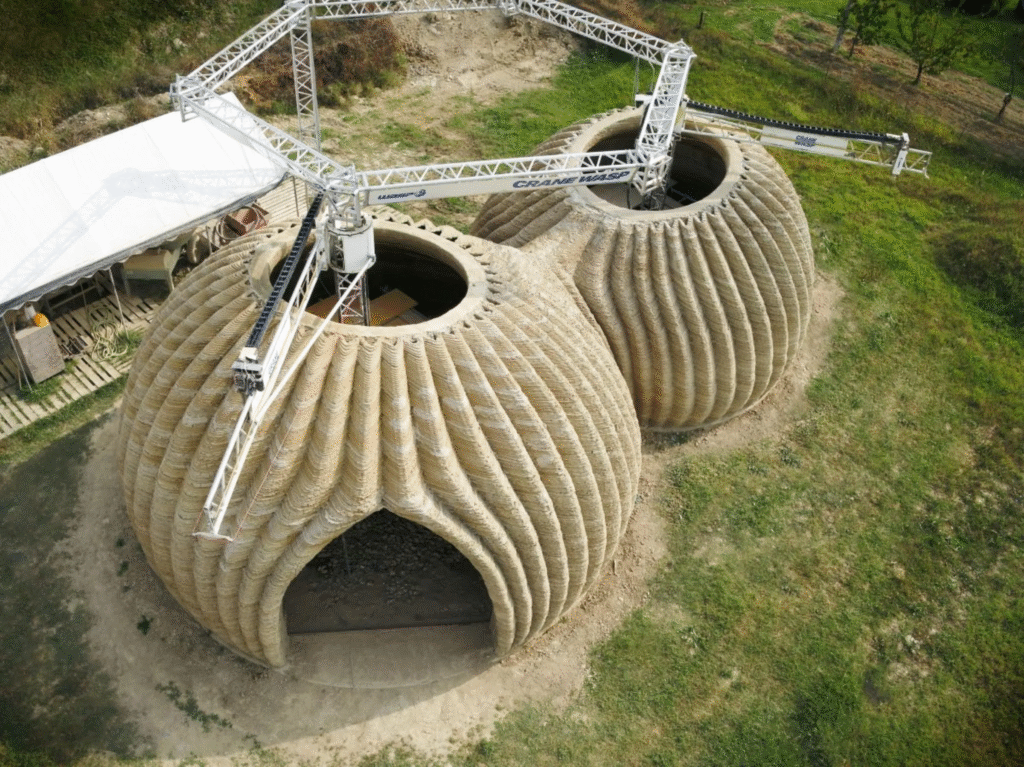
With 3D printing technology, intricate designs can be produced with relative ease. Curved walls, organic forms, and customized architectural features can be integrated directly into the construction process without significantly increasing costs.
This design flexibility opens new possibilities for modern architecture, allowing homeowners to enjoy unique living spaces while maintaining affordability and efficiency.
Do check out – Top 50 Architects in India 2026: Powerful Leaders Transforming Modern Indian Architecture
Addressing Labor Shortages in Construction
The construction industry faces growing labor shortages in many countries. Skilled workers are becoming increasingly difficult to find, leading to project delays and rising costs.
Construction 3D printing technology helps address this challenge by automating some of the most labor-intensive aspects of the building process. While human expertise remains essential for planning, engineering, electrical systems, plumbing, and finishing work, the overall labor demand can be significantly reduced.
By combining human skills with advanced automation, the construction industry can improve productivity while maintaining high standards of quality and safety.
Challenges Facing 3D Printed Housing
Despite its enormous potential, 3D printed home construction is still an emerging technology with several challenges to overcome. Building regulations and construction codes in many regions were developed for traditional construction methods and may not yet fully accommodate 3D printed structures.
There are also questions regarding long-term durability, material performance, and large-scale implementation. While many successful projects have demonstrated the viability of the technology, widespread adoption will require continued testing, innovation, and regulatory support.
Initial investment costs for large-scale construction printers can also be significant. However, as technology matures and demand increases, equipment costs are expected to decrease over time.
Real-World Applications Around the World
Several countries have already embraced 3D printed housing projects. From affordable housing communities in the United States to innovative construction developments in Europe, Asia, and the Middle East, the technology is proving its practical value.
Governments and private developers are exploring the use of 3D printed homes for social housing, workforce accommodation, disaster relief shelters, and sustainable residential communities. These projects demonstrate that 3D printing is no longer a futuristic concept but an increasingly viable construction solution.
As more successful case studies emerge, confidence in the technology continues to grow among investors, developers, architects, and policymakers.
The Future of 3D Printed Construction
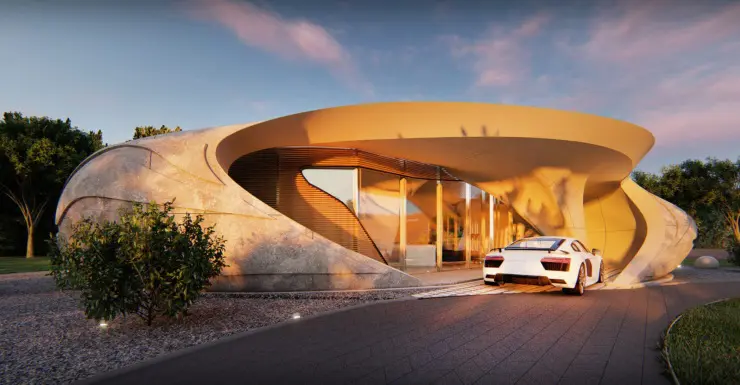
The future of 3D printed construction looks incredibly promising. Advances in robotics, artificial intelligence, digital design tools, and sustainable materials are expected to further enhance the efficiency and capabilities of construction printing systems.
Future developments may include multi-story 3D printed buildings, smart homes integrated with advanced technologies, and large-scale housing developments built primarily through automated construction methods.
As urban populations continue to expand and housing demand rises, 3D printed homes could play a critical role in creating affordable, sustainable, and resilient communities for future generations.
Conclusion
The emergence of 3D printed homes marks a revolutionary shift in the construction industry. By combining speed, affordability, sustainability, and design flexibility, this innovative technology offers a compelling alternative to traditional building methods.
While challenges remain, the rapid advancement of 3D printed housing technology suggests that its influence will continue to grow in the years ahead. As governments, developers, and architects seek smarter ways to meet global housing needs, 3D printed construction is positioned to become one of the most important innovations shaping the future of residential development.
The vision of building high-quality homes faster, cheaper, and more sustainably is no longer a distant possibility. With 3D printing technology continuing to evolve, the future of construction may already be taking shape one printed layer at a time.




Join the discussion