
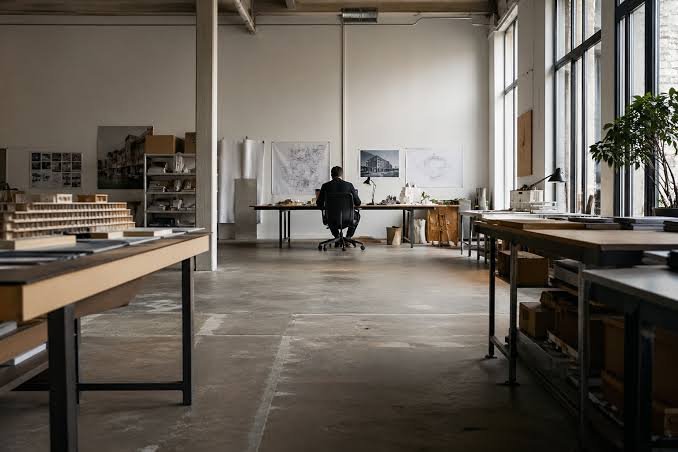
Graduating from architecture school is an exciting milestone. After years of studio projects, design submissions, late-night model-making and presentations, you’re finally ready to enter the professional world.
But working in an architecture firm is quite different from studying architecture. The creative freedom of college gradually meets practical responsibilities, client expectations, technical drawings and construction realities.
Your first job may feel overwhelming, but it is also where you begin understanding how architecture works beyond the classroom. Here’s what every architecture graduate should know before joining a professional firm.
Quick Take: Working in an architecture firm involves much more than designing buildings. Fresh graduates learn technical documentation, teamwork, client coordination, construction processes, project management and the practical skills needed to turn design concepts into reality.

Expectations vs. Reality: What to Expect in Your First Architecture Job
Architecture school generally focuses on conceptual thinking, design development and presentation. However, professional architectural practice involves several stages, from initial planning and schematic design to detailed construction documents and construction administration.
In a firm, you will discover that even the smallest design decision matters. A wall needs appropriate structural support, materials must meet project requirements, and every detail must be communicated clearly through technical drawings.
You may spend less time creating imaginative concepts and more time developing those ideas into practical, buildable solutions. Understanding how architects coordinate with engineers, contractors, suppliers and clients becomes an essential part of the job.
The transition from university to professional practice can take time, as explored in this guide to transitioning from architecture school to professional practice.
What You Will Learn in Your First Architecture Job

Your first few months in an architecture firm will introduce you to a variety of responsibilities. Depending on the firm’s size and project requirements, your tasks may include:
- Preparing 2D architectural drawings and detailed plans.
- Developing 3D models, visualisations and presentation layouts.
- Creating physical models and design concepts.
- Learning about construction materials, methods and detailing.
- Coordinating with consultants, contractors and other team members.
- Understanding project schedules, budgets and client requirements.
You will also learn how to receive feedback, manage multiple assignments and work within deadlines.
Site visits are particularly valuable because they allow you to see how drawings translate into actual construction. Observing materials, workmanship and on-site challenges helps develop practical knowledge that cannot be gained from studio projects alone.
The Challenges of Working in an Architecture Firm
1. Your Workplace Is Different from the Design Studio
Architecture school encourages experimentation and creative exploration. Professional practice, however, requires balancing creativity with budgets, regulations, site conditions, materials and client expectations.
You will need to evaluate different solutions and understand which ideas can realistically be implemented.
2. Learning Never Stops
Graduation does not mean your architectural education is complete. Every project introduces new materials, technologies, construction methods and design challenges.
You may initially struggle with technical details or unfamiliar software, but these are opportunities to develop your professional skills. Ask questions, observe experienced colleagues and learn from every assignment.
3. Time and Project Management Matter
In an architecture firm, several tasks may run simultaneously. Drawings, presentations, client revisions and site coordination can all have different deadlines.
Learning to prioritise work, organise tasks and communicate delays early will help you become a more reliable professional.
4. Architecture Is a Collaborative Profession
A building is rarely created by one person. Architects work with structural engineers, interior designers, contractors, consultants, clients and many other professionals.
Being open to feedback and maintaining good working relationships can improve both the design process and the final outcome.
5. You Are Accountable for Your Work
Unlike college assignments, professional responsibilities affect actual projects, budgets and construction schedules.
You must follow office procedures, meet agreed deadlines and communicate progress to your team. Developing accountability and attention to detail is an important part of becoming a dependable architect.
Practical Tips to Excel in Your First Architecture Job
Starting your professional journey becomes easier when you focus on developing the right habits.
Strengthen your technical skills: Become comfortable with architectural drafting, 3D modelling and visualisation tools such as AutoCAD, Revit, Rhino, SketchUp and Enscape, depending on your firm’s workflow.
Understand construction: Learn about materials, building systems, working drawings, detailing and site execution. Practical knowledge will help you make better design decisions.
Improve communication: Learn to explain your ideas clearly, ask relevant questions and communicate professionally with colleagues, clients and consultants.
Accept feedback positively: Criticism is part of the design process. Use feedback to identify gaps, improve your work and develop confidence.
Stay curious: Explore new architectural projects, construction technologies, sustainable materials and emerging design trends. Continuous learning will help you grow throughout your career.
As highlighted in guidance on transitioning into your first architecture job, understanding workplace expectations and remaining open to learning are important parts of building a successful professional career.
Conclusion
Your first job in an architecture firm may not look exactly like the career you imagined during university. There will be deadlines, revisions, technical challenges, site visits and plenty of learning along the way.
However, every drawing you prepare, every site you visit and every project you contribute to will help you understand architecture more deeply.
Remember, becoming a skilled architect is a gradual process. Stay curious, accept challenges and make the most of the opportunities around you.
Architecture school teaches you how to imagine buildings. Professional practice teaches you how to bring those ideas to life.







Join the discussion