

Share This Article
In today’s world minimalist architecture is more than a design trend. It is a way of life. Minimalism is about creating spaces that’re calm, simple and functional. From homes to offices it is changing the way we experience space and comfort.
What makes minimalism special is its ability to create environments that are peaceful and timeless. It is not about having a lot of things. About having things that are meaningful and useful. In architecture and interior design minimalism is all about simplicity, balance and purpose.
What is Minimalism?
Minimalism is a design philosophy that is centered around simplicity and functionality. It is about creating spaces that’re beautiful and functional without using too many things. Minimalism is not about architecture and interior design but also about the way we live our lives.
Minimalism started after World War II when people began to think about simplicity and functionality. It was influenced by architecture, Zen philosophy and modern art. Over time minimalist architecture has become one of the popular design styles in the world.
At its core minimalism is one simple idea: “Less is more.” This means that quality is more important than quantity and purpose is more important than decoration. Every material, object and spatial decision in design serves a clear function. Following minimalism trend “The Elon Musk” too shifted to a minimalistic designed house.
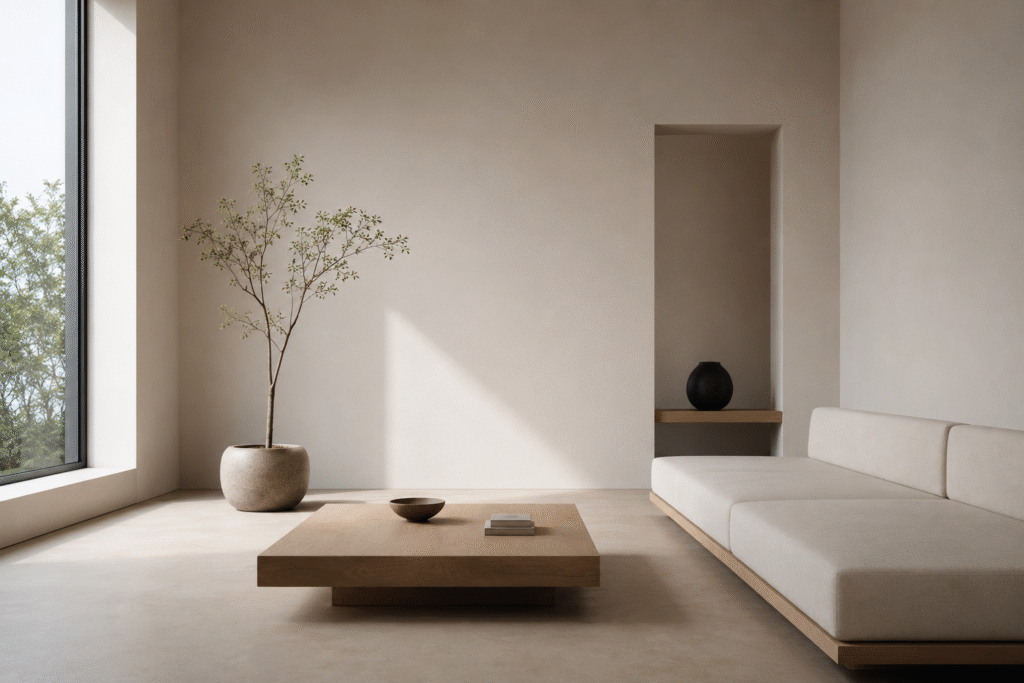
The History of Minimalism
It began to gain popularity in the mid-20th century, when architects and designers started to move from complicated and decorative designs.
Early Influences of Minimalism:
- Modernist architectural movements, led by architects such as Ludwig Mies van der Rohe
- design, which focuses on simplicity and practicality
- Traditional Japanese architecture, which emphasizes balance and openness
- Zen-inspired spatial philosophies, which promote calm and mindfulness
As cities became more crowded and fast-paced minimalism evolved from an artistic movement into a practical design solution for modern living. Today it is used in different areas, including:
- Homes
- Luxury interiors
- Offices
- Hotels
- Sustainable architecture
Key Characteristics of Minimalism in Architecture and Interior Design
Minimalist architecture is not about spaces but about intentional design. Every element in a space contributes to the overall experience.
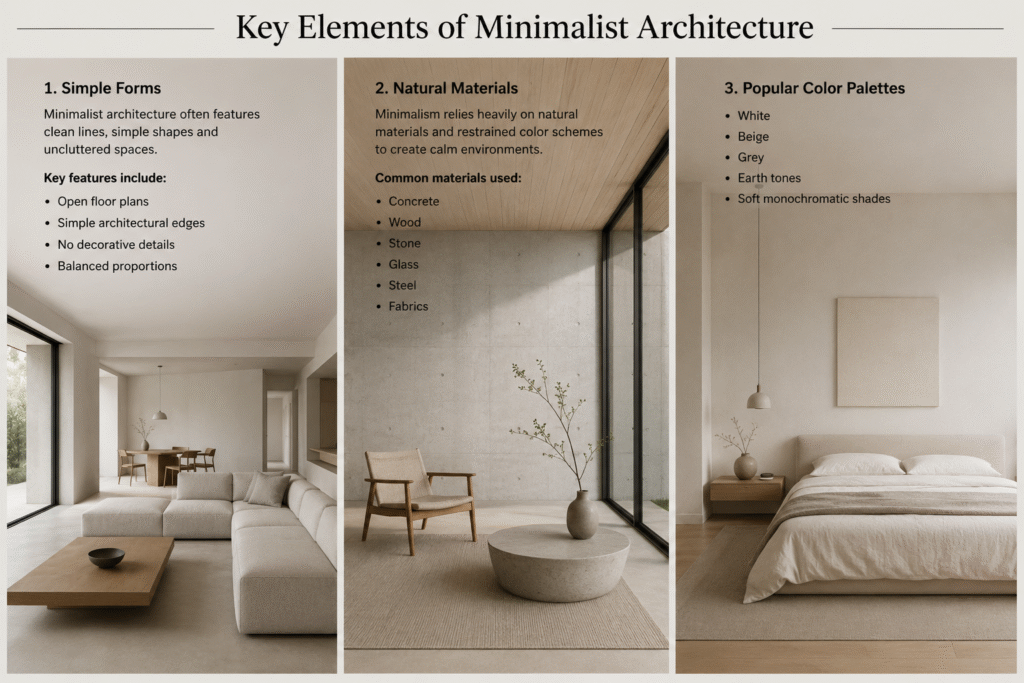
1. Simple Forms–Minimalist architecture often features lines, simple shapes and uncluttered spaces.
Key features include:
- Open floor plans
- Simple architectural edges
- decorative details
- Balanced proportions
2. Natural Materials–Minimalism relies heavily on natural materials and restrained color schemes to create calm environments.
Common materials used:
- Concrete
- Wood
- Stone
- Glass
- Steel
- fabrics
3.Popular color palettes–
- White
- Beige
- Grey
- Earth tones
- Soft monochromatic shades
Functional Design
In spaces functionality is the primary design driver. Every furniture piece, object and layout decision serves a purpose. Functional principles:
- Multi-purpose furniture: Minimalist interiors often incorporate furniture that serves more than one purpose. This approach helps reduce unnecessary objects while making spaces more adaptable and efficient.
- Hidden storage solutions: One of the defining characteristics of minimalism is the absence of visible clutter. Hidden storage solutions help maintain clean visual lines while ensuring practical storage capacity.
- Efficient circulation spaces: Minimalist design prioritizes movement and spatial efficiency. Rooms are planned to ensure smooth circulation and comfortable navigation without unnecessary obstacles.
- Visual clutter: Reducing visual clutter is essential in minimalist architecture and interior design. The objective is to create environments that promote mental clarity and relaxation.
Natural Light and Openness
One of the important aspects of minimalism is the relationship between light and space. Minimalist spaces often include:
- Windows: Minimalist spaces often feature large windows that allow abundant natural light to enter the interior. These windows help reduce the dependence on artificial lighting while visually expanding the space.
- Open layouts: Open floor planning is a fundamental characteristic of minimalist design. Instead of dividing interiors into multiple enclosed rooms, spaces are organized with fewer barriers to improve flow and functionality.
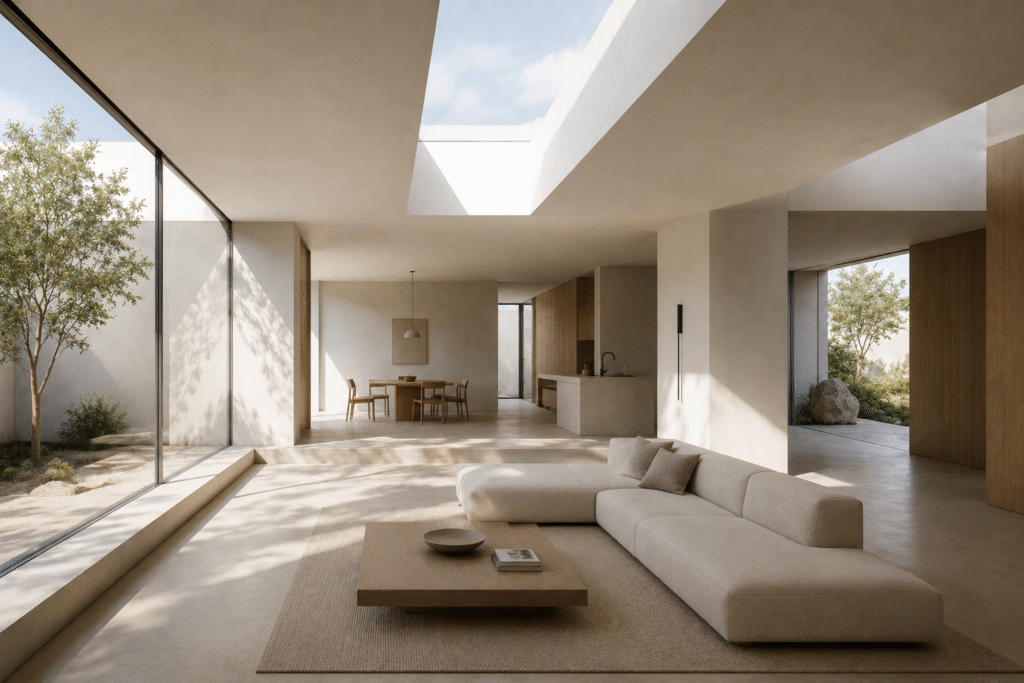
- Skylights: Skylights are frequently integrated into minimalist architecture to introduce natural light from above. They help illuminate spaces evenly while creating dynamic light and shadow effects throughout the day.
- Visual continuity between indoor and outdoor spaces: Minimalist architecture emphasizes a strong relationship between interior and exterior environments. Designers often blur the boundaries between inside and outside to create a more harmonious and immersive spatial experience. Natural light becomes an architectural feature itself enhancing textures and spatial depth.
Why Minimalism Has Become So Popular?
Reasons behind the rise :
- Simplicity in Modern Living: In today’s fast-paced world, people are increasingly drawn toward simple and organized lifestyles. Minimalism offers spaces that feel calm, clean, and free from unnecessary distractions, helping individuals experience mental clarity and comfort.
- Functional and Practical Design: Minimalist interiors prioritize functionality over excess decoration. Every furniture piece, material, and spatial element serves a purpose, making spaces more efficient, adaptable, and user-friendly for modern lifestyles.
- Sense of Spaciousness: Minimalist design creates open and uncluttered environments that make even smaller spaces appear larger and more breathable. Open layouts, clean lines, and limited furniture contribute to a stronger feeling of spatial freedom.
- Timeless Aesthetic Appeal: Unlike highly trend-driven styles, minimalism focuses on timeless design principles such as balance, proportion, and simplicity. Neutral palettes and clean forms help minimalist spaces remain visually relevant for long periods.
- Connection with Nature: Minimalist architecture often incorporates natural light, indoor-outdoor continuity, and organic materials like wood and stone. This creates healthier and more relaxing environments that strengthen the connection between people and nature.
Minimalism appeals to modern users because it creates environments that feel both visually refined and emotionally calming.
Minimalism and Sustainable Design
It is closely connected to sustainability because it encourages consumption and long-lasting design choices.
- Sustainable aspects :Reduced Material Waste: Minimalist architecture promotes the idea of using only what is necessary. By eliminating excessive ornamentation, unnecessary partitions, and surplus materials, designers can significantly reduce construction and interior waste.
- Use of Natural Materials: Minimalist interiors often incorporate natural and durable materials such as wood, stone, concrete, linen, and glass. These materials create warm and timeless environments while reducing dependence on highly processed synthetic products.
- Energy-Efficient Spatial Planning: Minimalist design emphasizes functional layouts and efficient space utilization. Open floor plans and strategic planning improve airflow, thermal comfort, and energy performance within buildings.
- Increased Daylight Utilization: Natural light is one of the most important elements in minimalist architecture. Large windows, skylights, and open layouts maximize daylight penetration and reduce the need for artificial lighting during the day.
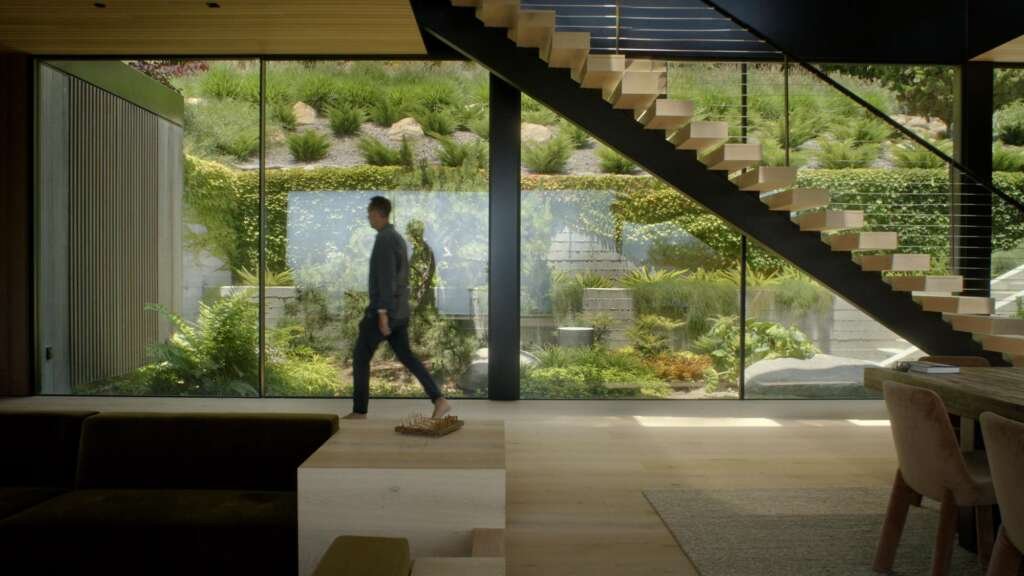
Minimalism in Contemporary Architecture
Today minimalism continues to influence some of the world’s recognized architectural projects. Contemporary minimalist architecture combines simplicity with technology and environmental awareness.
Modern minimalist trends include:
- Smart Home Integration: Modern minimalist interiors increasingly incorporate smart technologies that enhance convenience while maintaining clean and uncluttered spaces. Technology is often seamlessly integrated into the architecture so that it remains visually subtle and does not interrupt the simplicity of the design.
- Sustainable Materials and Passive Cooling Systems: Sustainability has become a major component of contemporary minimalist architecture. Designers now focus on environmentally responsible materials and passive design strategies that reduce energy consumption while improving comfort.
- Seamless Indoor: Outdoor Transitions: Modern minimalist architecture emphasizes a strong visual and physical connection between interior and exterior environments. Boundaries between indoor and outdoor spaces are often softened to create more open and immersive living experiences.
- Monolithic Architectural Forms: Contemporary minimalist buildings often feature bold monolithic forms characterized by simple geometric volumes and sculptural massing. These forms create strong visual identities while maintaining simplicity and clarity.

The Psychological Impact of Minimalist Spaces
Interiors are often associated with calmness, clarity and emotional balance.Research and design studies suggest that uncluttered environments can positively influence:
- Focus and Productivity: Minimalist environments help improve concentration by reducing unnecessary visual distractions. Clean surfaces, organized layouts, and simplified spatial arrangements allow individuals to focus more effectively on tasks and activities.
- Stress Reduction: Cluttered and overcrowded environments can often feel overwhelming and mentally exhausting. Minimalist spaces create a sense of order and balance that helps reduce stress and anxiety.
- Spatial Comfort: Minimalist design enhances the perception of space by prioritizing openness, efficient circulation, and balanced proportions. Even compact interiors can feel larger and more comfortable when unnecessary elements are removed.
- Well-Being and Healthy Living: Minimalist interiors often encourage healthier lifestyles by creating environments that support emotional stability, relaxation, and mindfulness. The connection between natural materials, daylight, and uncluttered spaces contributes positively to both physical and mental well-being.
This emotional connection is one of the reasons minimalist architecture continues to remain relevant in both residential and commercial design.
Challenges of Minimalism
Despite its popularity sometimes it is be misunderstood as cold or overly simplistic. Designed minimalist spaces may feel empty rather than intentional. Common challenges include:
- Over-Reduction of Character: One of the most common criticisms of minimalism is that excessive simplification can remove the individuality and personality of a space. When too many elements are eliminated, interiors may begin to feel emotionally disconnected or generic.
- Dependence on High-Quality Detailing and Materials: Minimalism relies heavily on precision and craftsmanship because there are fewer decorative elements to conceal imperfections. Every joint, edge, material transition, and architectural detail becomes highly visible.
- Need for Disciplined Spatial Planning: Minimalist spaces require thoughtful spatial organization to function effectively. Poor planning can make interiors feel impractical, empty, or uncomfortable despite their clean appearance.
- Excessive Visual Sterility: Minimalist spaces can sometimes appear overly sterile if there is too much emphasis on plain surfaces, monochromatic colors, and rigid simplicity. Without balance, interiors may feel cold or uncomfortable rather than calming.
Why Does Minimalism Remain Timeless in Architecture and Interior Design?
Minimalist architecture is no longer a design style. It is a reflection of how people want to live in the modern world. By prioritizing simplicity, functionality and intentional design it has transformed architecture and interior design into meaningful and efficient experiences. From clarity, to emotional comfort, minimalist design demonstrates that powerful architecture does not depend on excess. Instead it proves that thoughtful restraint can often create timeless and impactful spaces.
In an era defined by complexity and constant stimulation minimalist architecture continues to stand as a reminder that simplicity when executed with purpose can become the ultimate form of sophistication. Talking about minamalist architecture lets look at the home of renowned designer “Rick Owen“.
FAQ
What is this post about? It covers the main idea with practical takeaways and examples.