

Share This Article
Understanding the Rise of Parametric Design in Modern Architecture
Architecture has always evolved alongside technology. From hand-drawn blueprints to computer-aided design, every innovation has changed the way architects think, create, and build. Today, one of the most transformative developments in architectural design is Parametric Design. Once considered a futuristic concept, parametric architecture has become a powerful design methodology that is reshaping skylines, redefining creativity, and pushing the limits of what buildings can achieve.
The rise of parametric design represents a shift from traditional design methods to algorithm-driven architecture. Instead of manually drawing every component, architects can establish relationships, rules, and parameters that automatically generate and modify forms. This innovative approach allows designers to create complex geometries, optimize building performance, and produce highly efficient architectural solutions.
As cities continue to grow and sustainability becomes a priority, parametric design architecture is emerging as one of the most influential trends shaping the future of the built environment.
What Is Parametric Design in Architecture?
Parametric design is a computational design process where specific parameters, rules, and algorithms determine the final form of a building or structure. Rather than designing a fixed shape, architects define relationships between different elements, allowing the design to adapt dynamically whenever a parameter changes.
For example, if an architect adjusts the building height, façade pattern, solar orientation, or structural requirements, the entire model can automatically update itself. This flexibility makes parametric modeling an incredibly efficient tool for modern architectural design.
The concept combines architecture, mathematics, engineering, and computer programming. Software platforms such as Rhino, Grasshopper, Dynamo, and Generative Design tools have made parametric architecture accessible to architects worldwide, enabling the creation of forms that would have been nearly impossible to achieve using conventional methods.
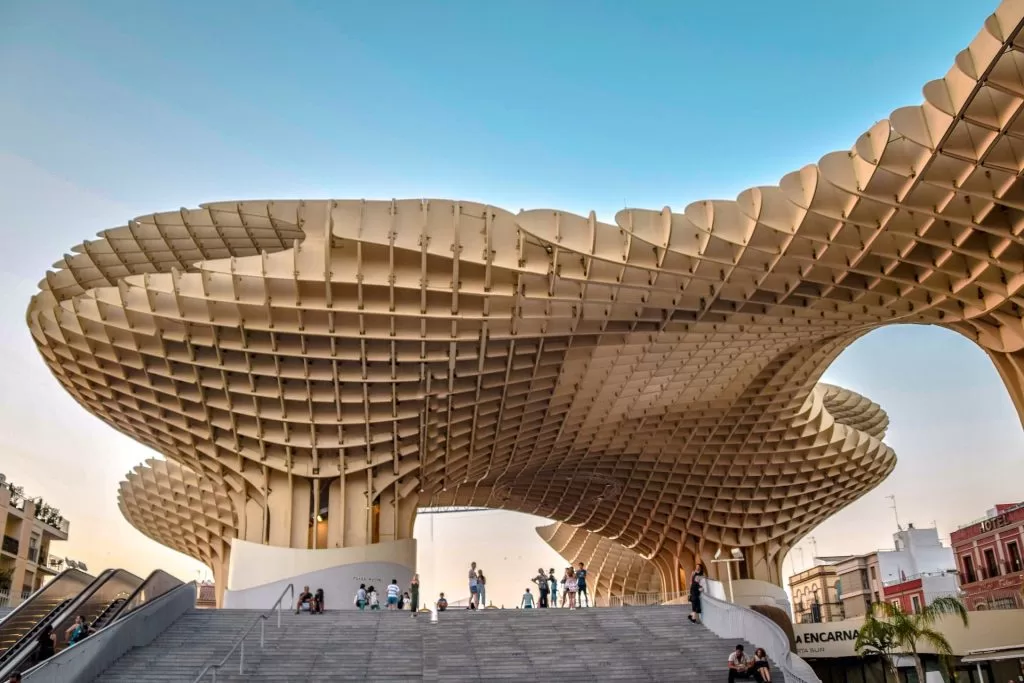
Why Parametric Design Is Becoming So Popular
The popularity of parametric design stems from its ability to solve complex architectural challenges while simultaneously enhancing creativity. Architects no longer need to choose between artistic expression and technical performance because parametric tools can address both objectives together.
One of the biggest advantages of algorithmic design is its adaptability. Every design variable can be tested, modified, and optimized in real time. Whether the goal is improving daylight penetration, reducing material usage, maximizing views, or enhancing structural efficiency, parametric architecture offers solutions that traditional methods often struggle to achieve.
Additionally, advancements in computational architecture and digital fabrication have enabled architects to transform complex digital models into physical structures with greater precision and efficiency.
The Relationship Between Algorithms and Architecture
At the heart of parametric design lies the algorithm. An algorithm is simply a set of instructions that guides how a design behaves when certain conditions change. In architecture, algorithms help designers explore thousands of possibilities within a short period.
Instead of creating one design option, architects can generate multiple alternatives based on performance criteria such as energy efficiency, structural integrity, environmental impact, and user experience. This process, often called generative design, allows designers to make informed decisions backed by data rather than relying solely on intuition.
Algorithms do not replace architects. Instead, they act as powerful assistants that expand creative possibilities while helping solve increasingly complex design problems.
Also read – Wellness Architecture: Designing Homes and Workplaces for Better Living
How Parametric Design Enhances Creativity
Contrary to popular belief, parametric architecture does not limit creativity. In fact, it often enhances it. Traditional design processes can restrict architects because every modification requires significant manual effort. Parametric modeling removes many of these limitations by allowing rapid experimentation.
Architects can explore fluid forms, organic geometries, dynamic façades, and intricate patterns that respond to environmental and functional requirements. Complex architectural expressions become achievable without compromising constructability.
This freedom has led to the emergence of iconic buildings characterized by flowing shapes, innovative structures, and visually striking designs that challenge conventional architectural norms.

Sustainability and Parametric Architecture
Sustainable architecture is one of the primary drivers behind the adoption of parametric design. Modern buildings must address energy consumption, environmental performance, material efficiency, and occupant comfort. Parametric tools help architects optimize these factors during the early stages of design.
Through environmental simulation and performance analysis, architects can evaluate sunlight exposure, natural ventilation, thermal comfort, and energy efficiency before construction begins. This data-driven approach results in smarter buildings that consume fewer resources while delivering better user experiences.
Parametric design also supports material optimization. By calculating exact material requirements, architects can minimize waste, reduce construction costs, and improve overall project sustainability. As green building practices become increasingly important, computational design will continue to play a crucial role in achieving sustainability goals.
The Role of Digital Fabrication in Parametric Design
The rise of digital fabrication has significantly accelerated the growth of parametric architecture. Technologies such as CNC machining, robotic construction, laser cutting, and 3D printing enable architects to manufacture complex building components directly from digital models.
Previously, many parametric forms were difficult or expensive to construct. Today, advanced fabrication technologies allow precise production of customized elements at scale. This seamless connection between design and construction is transforming how buildings are realized.
Digital fabrication not only improves accuracy but also opens opportunities for mass customization, allowing unique architectural components to be produced efficiently without dramatically increasing costs.
Parametric Design and Smart Cities
As urban environments become increasingly interconnected, parametric design is playing a vital role in the development of smart cities. Urban planners and architects use computational models to analyze transportation networks, population density, environmental conditions, and infrastructure performance.
Parametric urban design enables the creation of adaptable city layouts that respond to changing needs. From optimizing pedestrian movement to improving energy distribution and public space utilization, algorithm-driven planning supports more resilient and efficient urban development.
The integration of artificial intelligence, data analytics, and parametric modeling is expected to further enhance how cities are planned and managed in the future.
Challenges of Parametric Design in Architecture
Despite its many benefits, parametric architecture is not without challenges. One of the primary concerns is the learning curve associated with computational design tools. Architects often need to develop skills in scripting, programming logic, and advanced modeling techniques.
Another challenge is balancing technological capabilities with human-centered design principles. While algorithms can generate highly optimized forms, successful architecture still requires cultural sensitivity, functionality, aesthetics, and emotional connection.
There is also the risk of prioritizing visual complexity over meaningful design. Not every project requires elaborate geometries, and architects must ensure that parametric solutions serve practical purposes rather than existing solely for visual impact.
The Future of Parametric Design and Computational Architecture
The future of parametric design appears exceptionally promising. Emerging technologies such as artificial intelligence, machine learning, digital twins, and generative design are expanding the capabilities of computational architecture even further.
AI-powered design systems can analyze vast datasets and generate optimized architectural solutions based on performance goals. Machine learning algorithms can identify patterns, predict outcomes, and improve design efficiency over time. Combined with parametric modeling, these technologies are creating a new era of intelligent architecture.
As the construction industry increasingly embraces digital transformation, parametric design will become an essential component of architectural practice. Architects who understand computational design principles will be better equipped to address the challenges of urbanization, sustainability, and technological innovation.
Conclusion
The rise of parametric design marks a significant milestone in the evolution of architecture. By combining creativity with computational intelligence, architects can create buildings that are more efficient, sustainable, adaptable, and visually compelling than ever before.
Parametric architecture is not simply a design trend; it represents a fundamental shift in how buildings are conceived, analyzed, and constructed. Through algorithms, data-driven decision-making, and advanced digital tools, architects are unlocking new possibilities that were once unimaginable.
As technology continues to advance, the influence of parametric design, computational architecture, generative design, and algorithm-driven architecture will only grow stronger. The future of architecture is increasingly becoming a collaboration between human creativity and computational power, resulting in smarter buildings, better cities, and more sustainable environments for generations to come.