
Why Premium Interior Design Feels Different
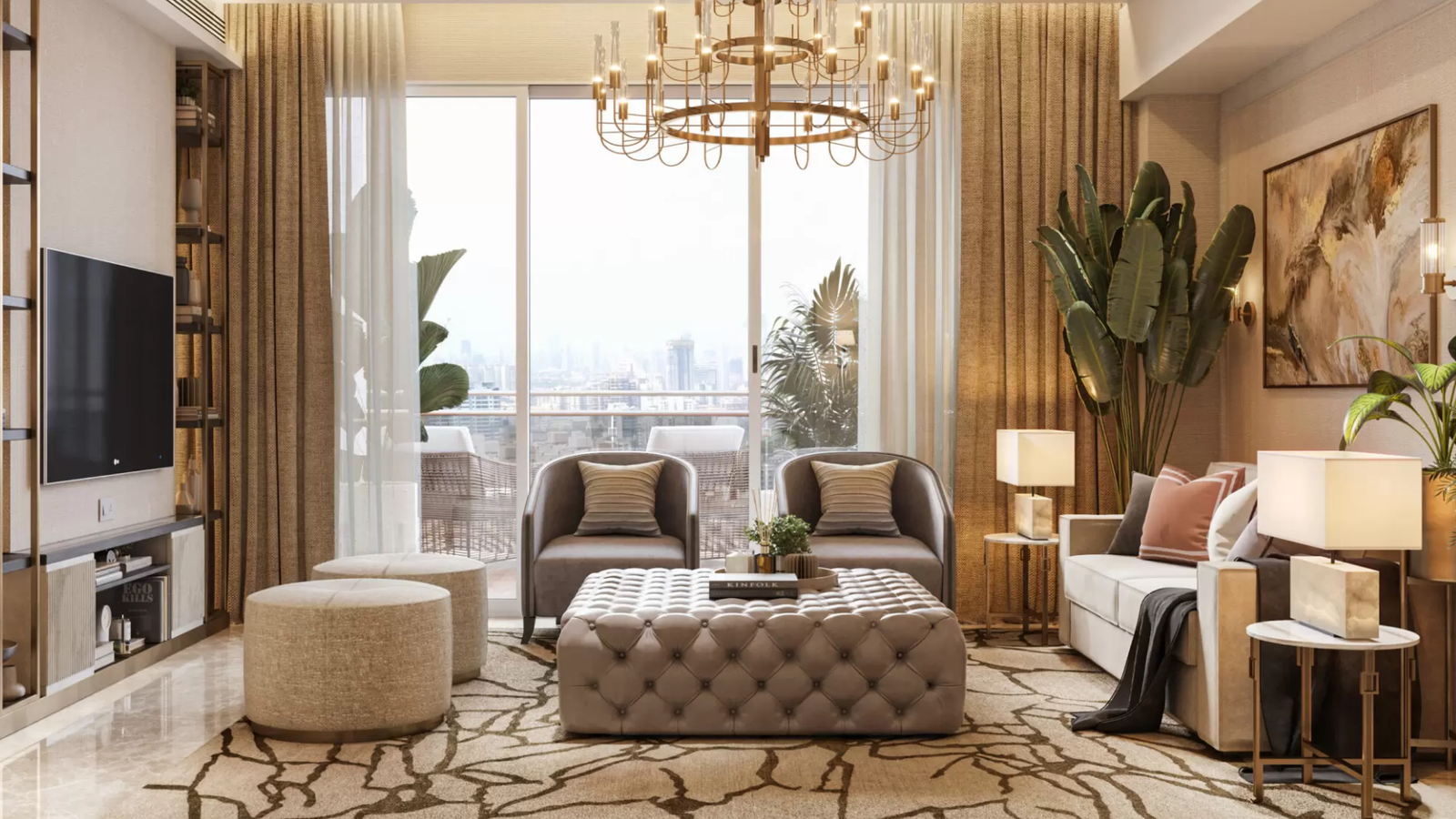
Luxury interior design is not only about spending more money on furniture or expensive decor. The psychology of expensive-looking interiors is deeply connected to how a space makes people feel the moment they enter it. A premium interior creates comfort, calmness, sophistication, and visual balance without appearing overly crowded or forced. Whether it is a luxury apartment, modern villa, boutique office, or hospitality space, the feeling of elegance often comes from smart interior design choices rather than excessive spending.
Today, homeowners, architects, and interior designers are focusing more on creating premium-looking spaces that feel timeless, luxurious, and emotionally appealing. The growing popularity of modern luxury interiors, minimal interior design, and high-end home decor proves that people are increasingly drawn toward spaces that feel curated and intentional.
The Role of Space Planning in Luxury Interiors
One of the biggest reasons why expensive interiors look premium is because of thoughtful space planning. A luxury interior never feels cramped or chaotic. Instead, it feels breathable, open, and easy to move through. The human brain naturally associates spaciousness with wealth, comfort, and exclusivity.
In premium interior design, furniture placement is carefully considered to create visual harmony. Every object has purpose and enough breathing space around it. This is why luxury homes often avoid excessive furniture or unnecessary decorative pieces. Negative space, also known as empty space, becomes a design element itself. The simplicity of the layout makes the interior feel elegant and sophisticated.
Modern luxury interiors often use open-plan layouts, large walkways, and uncluttered surfaces because these design principles psychologically create a sense of calm and prestige.
Lighting Psychology in Expensive-Looking Spaces
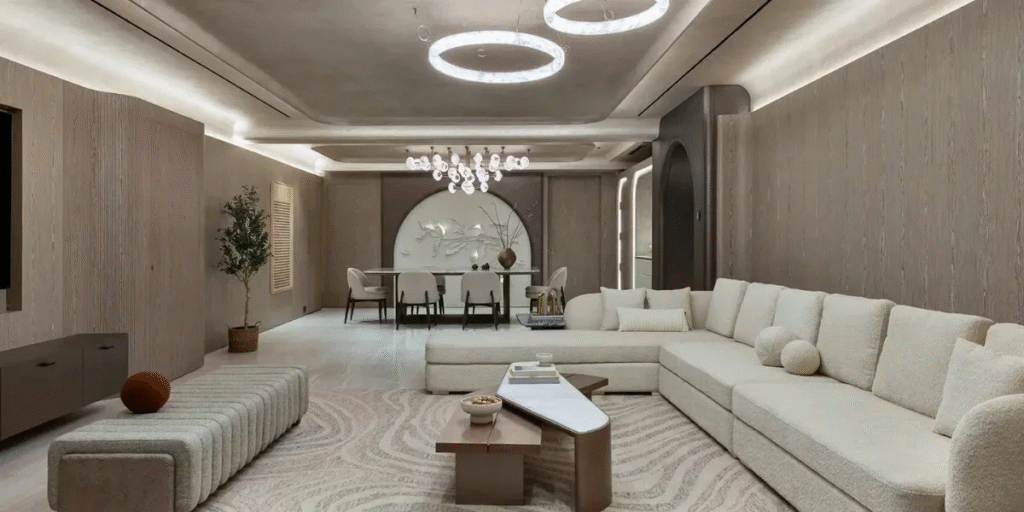
Lighting is one of the strongest psychological tools in interior design. A poorly lit room can instantly make even expensive furniture look dull, while layered lighting can make a simple room feel luxurious and warm. Premium interiors use lighting strategically to create mood, depth, and visual comfort.
Luxury interior lighting combines natural light, ambient lighting, accent lighting, and decorative fixtures to create a balanced atmosphere. Warm lighting tones often make spaces feel richer and more welcoming. Soft shadows and indirect lighting create depth, which adds sophistication to the overall environment.
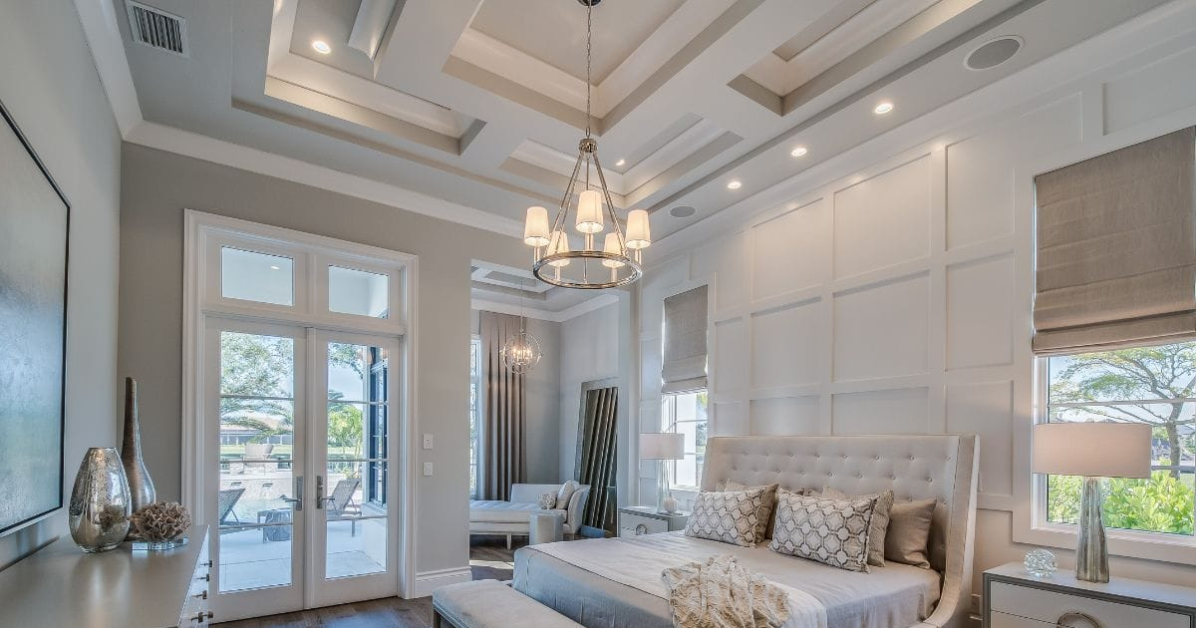
Large windows, floor lamps, concealed LED strips, chandeliers, and pendant lights are commonly used in high-end interior design because they add visual drama without overwhelming the space. Lighting also highlights textures, materials, and architectural details, which subconsciously signals luxury and refinement.
Material Selection Creates a Sense of Luxury
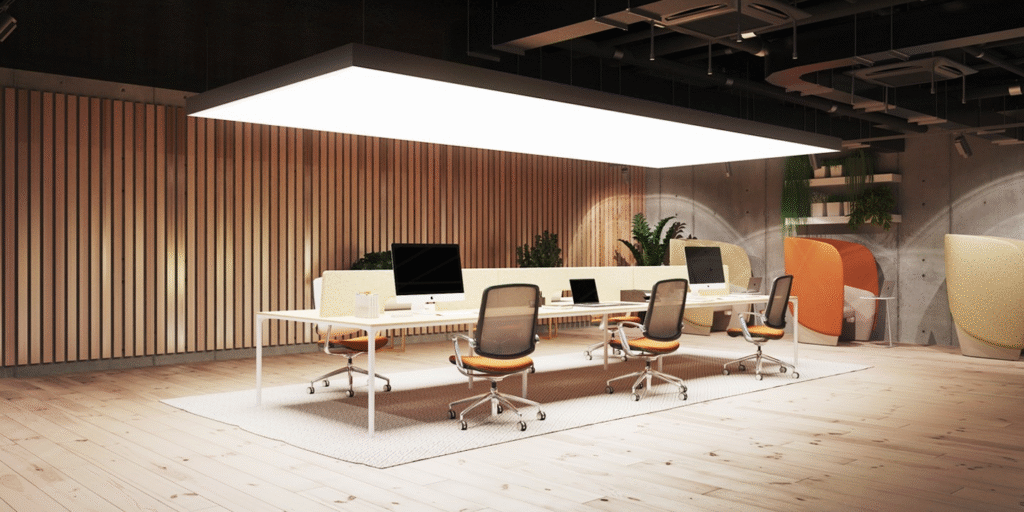
The psychology of materials plays a huge role in making interiors feel expensive. Premium spaces often use natural materials because humans instinctively connect them with authenticity, durability, and status. Marble, wood, stone, glass, linen, leather, and brass are commonly seen in luxury interior design because these materials age beautifully and add depth to a space.
Texture is equally important in creating an expensive-looking interior. Smooth marble surfaces, soft upholstery, matte finishes, warm wood grains, and textured fabrics create sensory richness. When multiple textures work together harmoniously, the space feels layered and professionally designed.
Modern premium interiors also avoid overly shiny or artificial finishes. Instead, they focus on subtle elegance through high-quality materials and timeless detailing. This creates a sophisticated interior aesthetic that feels calm rather than flashy.
Color Psychology Behind Premium Interior Design
Color psychology has a massive impact on how luxurious a space feels. Expensive-looking interiors often use neutral color palettes because they create visual consistency and emotional calmness. Shades like beige, taupe, cream, grey, ivory, charcoal, and warm whites are widely used in modern luxury homes because they make spaces feel larger, cleaner, and more refined.
Dark colors are also strategically used in luxury interiors to add drama and exclusivity. Deep greens, navy blues, rich browns, and matte black accents can instantly elevate a room when balanced correctly. These colors create emotional depth and sophistication.
Premium interior design rarely relies on too many bright or clashing colors. Instead, it uses tonal layering where similar shades are combined to create richness and elegance. This subtle approach feels timeless and visually expensive.
Also read – Parametric Architecture: 7 Revolutionary Ways Algorithms Are Transforming Modern Design
Minimalism and the “Less is More” Effect
One major reason why luxury interiors feel premium is because they embrace intentional minimalism. The psychology behind minimal interior design is rooted in clarity and focus. When a room contains fewer but better-quality elements, the mind automatically perceives them as more valuable.
Clutter creates stress and visual noise, while clean spaces create relaxation and sophistication. Expensive-looking homes often feature simple furniture silhouettes, hidden storage solutions, and carefully curated décor pieces. This creates an organized environment that feels polished and luxurious.
Modern luxury interior design is increasingly moving toward quiet luxury aesthetics where the focus is on craftsmanship, quality, and understated elegance rather than loud decorative statements.
The Emotional Power of Texture and Layering
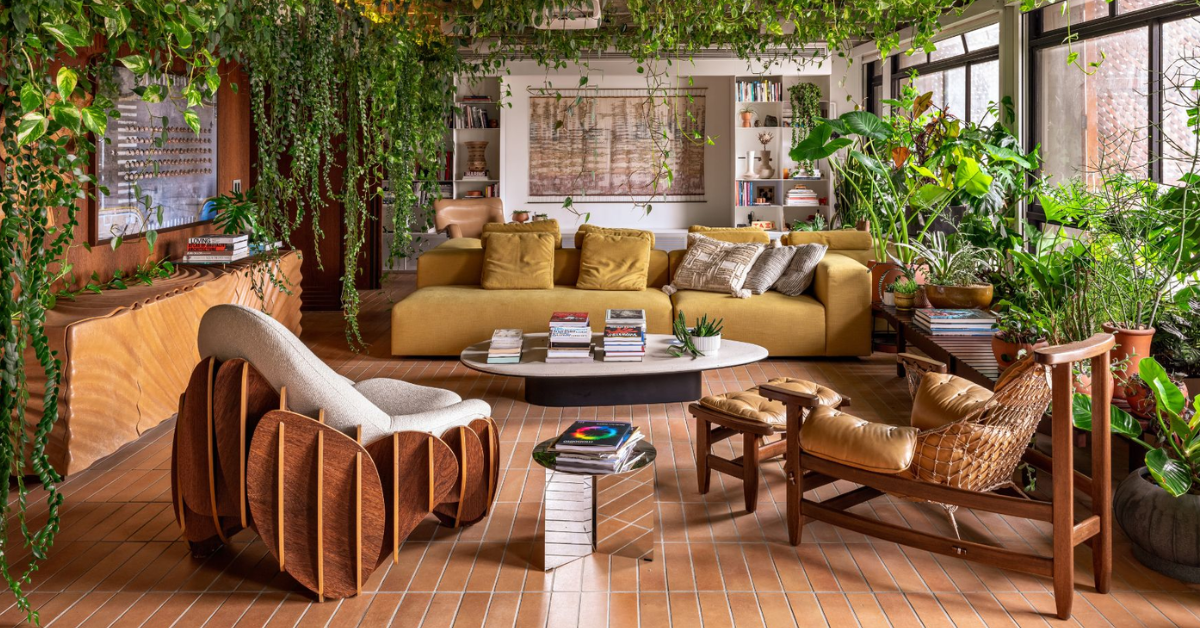
Premium interiors are never flat or one-dimensional. They use layering to create visual richness and emotional comfort. Interior designers often combine different textures, fabrics, and materials to make a room feel complete and immersive.
Soft rugs, linen curtains, velvet cushions, textured walls, wooden flooring, and metallic accents work together to create warmth and sophistication. The human brain responds positively to tactile environments because they feel more natural and comforting.
Layering also adds depth, which is an important characteristic of expensive-looking interior spaces. Even simple homes can feel luxurious when textures are combined thoughtfully.
Customization Makes Interiors Feel Exclusive
Luxury is strongly associated with exclusivity. This is why customized interior design instantly feels more premium than mass-produced décor. Bespoke furniture, custom lighting, built-in storage, and personalized design details create uniqueness and identity within a space.
Premium homes often include tailored elements that reflect the personality and lifestyle of the homeowner. Custom interiors psychologically signal attention to detail, craftsmanship, and investment in quality. This exclusivity makes the environment feel elevated and sophisticated.
Modern homeowners are increasingly choosing custom furniture design, handmade décor, and artisanal finishes because they add authenticity and individuality to interiors.
Symmetry and Balance in Luxury Spaces
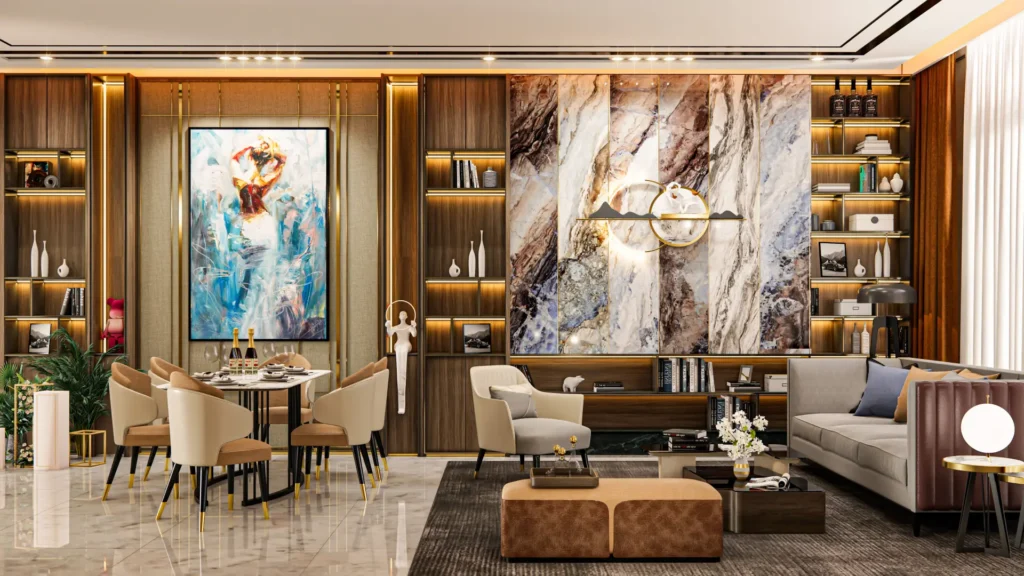
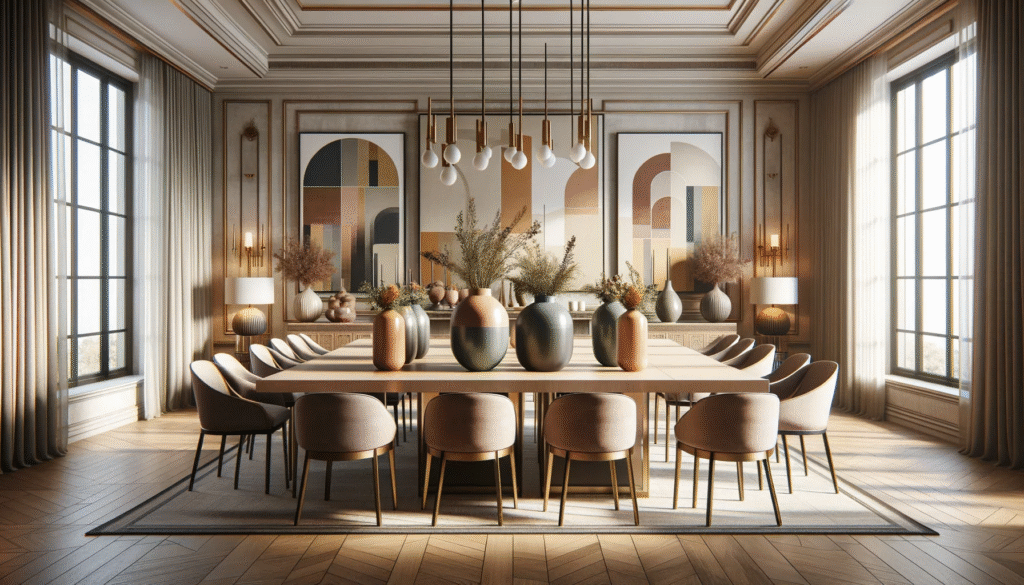
The human mind naturally appreciates balance and symmetry. Luxury interior design frequently uses symmetrical layouts because they create order, harmony, and visual stability. Balanced arrangements make spaces feel intentional and professionally designed.
Whether it is matching bedside lamps, aligned seating arrangements, or centered artwork, symmetry adds calmness and elegance to interiors. Balanced design compositions subconsciously communicate sophistication and control, which are often associated with wealth and premium living.
At the same time, modern luxury interiors also use controlled asymmetry to create visual interest without disturbing harmony. This balance between structure and creativity is what makes high-end spaces feel refined.
Scent, Sound, and Sensory Interior Design
The psychology of luxury interiors extends beyond visual aesthetics. Premium spaces engage multiple senses to create memorable experiences. Soft background music, calming scents, and acoustic comfort all contribute to making a space feel expensive.
Luxury hotels and premium residences often use signature fragrances, natural ventilation, soundproofing, and soft furnishings to enhance comfort levels. Sensory design creates emotional attachment and relaxation, which strengthens the perception of luxury.
Interior design today is becoming more experience-driven rather than purely decorative. People want homes that feel peaceful, restorative, and emotionally comforting.
Timeless Design Always Feels More Expensive
Trends may come and go, but timeless interiors consistently feel more luxurious. Premium interior design focuses on longevity rather than short-term visual impact. Clean lines, neutral palettes, quality craftsmanship, and functional layouts help spaces remain elegant for years.
Timeless luxury interiors avoid excessive trend-based décor because overly trendy spaces can quickly feel outdated. Instead, they prioritize simplicity, proportion, and material quality. This approach creates homes that continue to look sophisticated over time.
Architects and interior designers increasingly prefer timeless modern interiors because they provide both aesthetic appeal and long-term value.
Why Emotional Comfort Defines Real Luxury
At its core, the psychology of expensive-looking interiors is about emotional experience. A truly premium space makes people feel relaxed, inspired, comfortable, and confident. Luxury is no longer only about grand chandeliers or expensive furniture. It is about thoughtful interior design that improves mood, supports lifestyle, and creates a sense of belonging.
Modern luxury interiors succeed because they combine aesthetics with emotional intelligence. They understand how lighting, materials, colors, textures, and space planning affect human psychology. This is what transforms an ordinary room into a premium interior experience.
As interior design trends continue evolving in 2026, the most successful luxury spaces will not necessarily be the most expensive ones. They will be the spaces that feel intentional, calming, timeless, and deeply human.


Join the discussion