
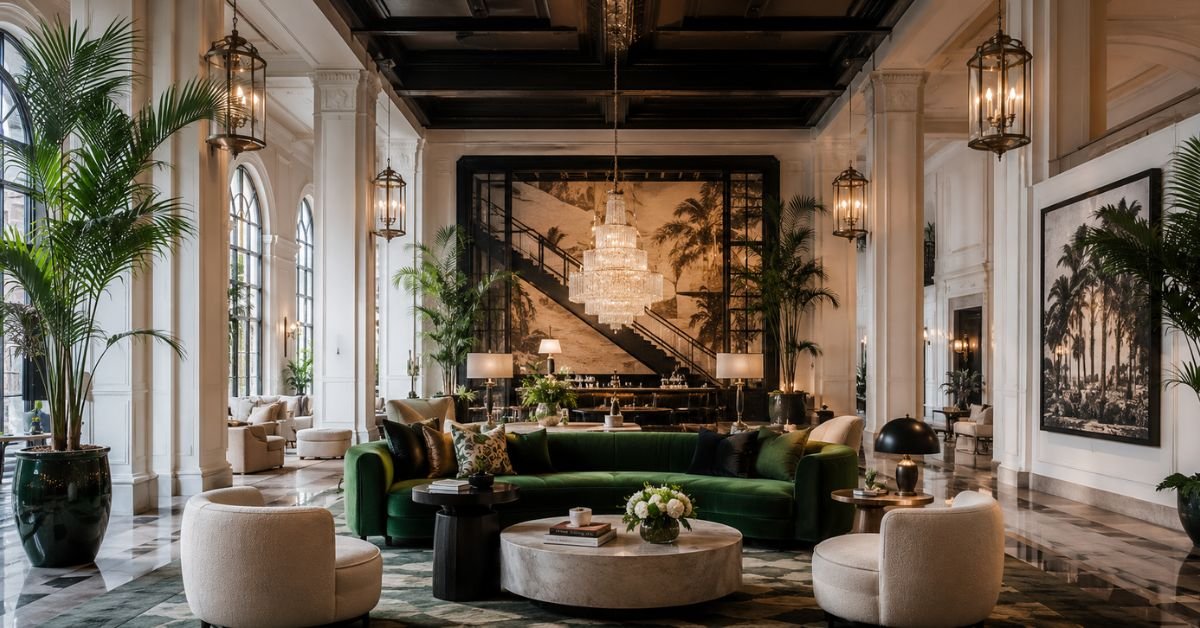
Iconic Hotel Interiors have always shaped the world of architecture and interior design far beyond hospitality itself. Many of the trends we now see in luxury homes, restaurants, offices and lifestyle spaces often begin inside beautifully designed hotels.
From timeless heritage hotels and ultra-modern luxury resorts to boutique properties with strong storytelling, hotel interiors are more than just visually attractive spaces. They are carefully designed experiences that combine comfort, functionality, atmosphere, branding and emotional connection all at once.
And honestly, that’s what makes hotel design so fascinating for architects and interior designers. A great hotel interior doesn’t just look luxurious, it makes people feel something the moment they walk in.
Whether it’s the dramatic lighting of a grand lobby, the warmth of layered textures, or the way a space quietly reflects local culture, iconic hotel interiors teach designers how to create environments that feel immersive, memorable and emotionally engaging.
So if you’re a designer, architect, student or simply someone passionate about interiors, here are some iconic hotel interiors from around the world that offer valuable lessons in design, storytelling, and spatial experience.
1. The Aman Tokyo, Japan: Minimalism That Feels Emotional
Aman Tokyo is often considered one of the finest examples of contemporary minimalist luxury. Inspired by traditional Japanese architecture, the interiors use:
- Natural wood
- Stone textures
- Soft lighting
- Open spatial planning
- Neutral tones
What makes the hotel remarkable is how calm and intentional every space feels. The design avoids unnecessary visual clutter and instead focuses on atmosphere and balance.
Designers can learn an important lesson here: luxury doesn’t always need excess. Sometimes restraint creates a much stronger emotional impact.
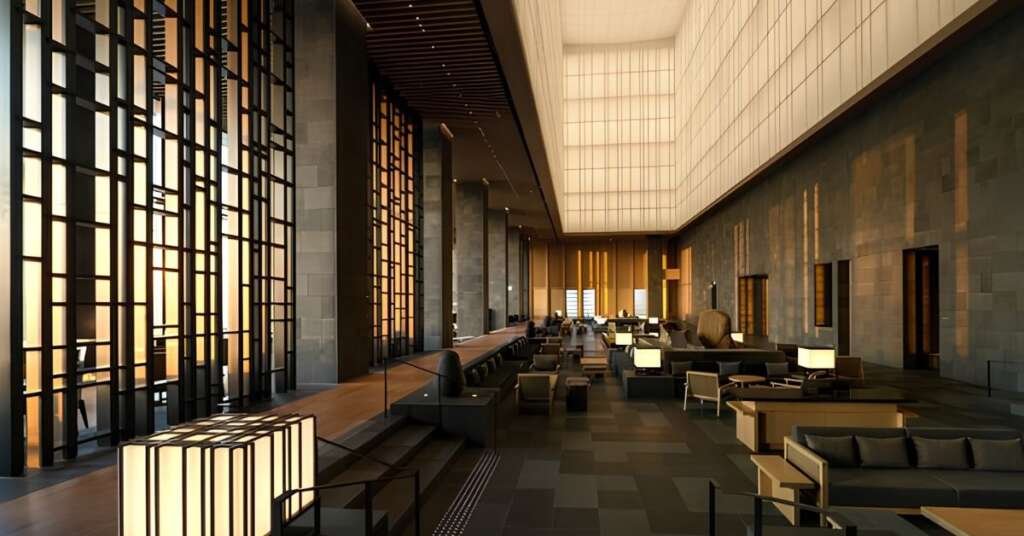
Designed by renowned Australian architect Kerry Hill, Aman Tokyo blends traditional Japanese spatial philosophy with contemporary minimalist luxury.
Credits: https://architectureau.com/articles/aman-tokyo/
2. The Ritz Paris, France: Timeless Classical Luxury
The Ritz Paris represents classic European luxury at its finest. The interiors feature:
- Ornate detailing
- Crystal chandeliers
- Rich fabrics
- Gold accents
- Elegant symmetry
Yet despite the opulence, the spaces still feel refined rather than overwhelming. The Ritz teaches designers the importance of proportion and balance in luxury interiors. Even highly decorative spaces need visual harmony to feel sophisticated.
This hotel also shows how timeless design can remain relevant for decades without constantly chasing trends.
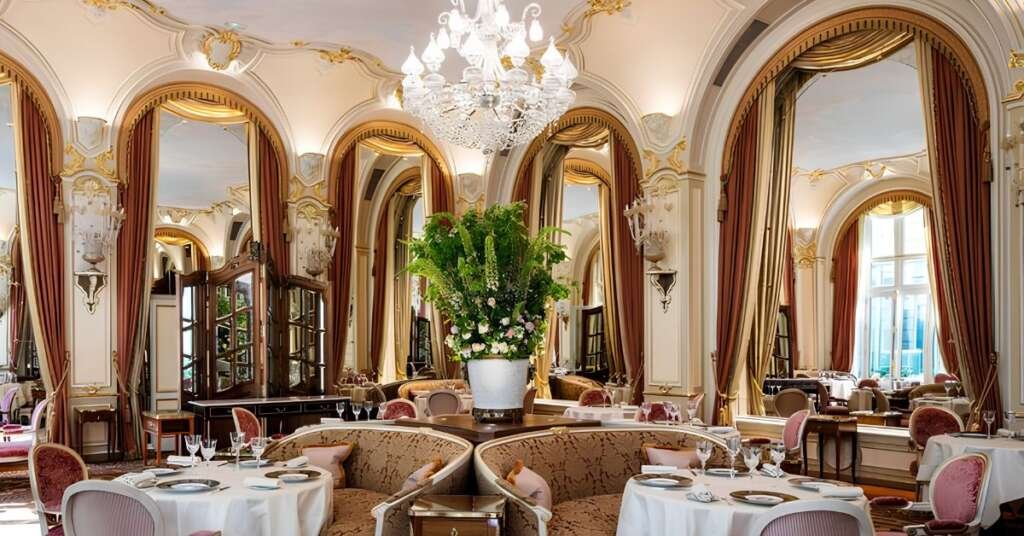
Originally founded by legendary hotelier César Ritz, the interiors reflect timeless French luxury inspired by classic Parisian palace aesthetics.
Credits: https://www.pinterest.com/pin/566116615646912149/
3. The Oberoi Udaivilas, India: Designing Through Cultural Storytelling
The Oberoi Udaivilas is one of India’s most celebrated luxury hotels and a masterclass in blending hospitality with cultural identity. Inspired by traditional Rajasthani palaces, the interiors include:
- Intricate carvings
- Domes and arches
- Courtyard planning
- Reflective pools
- Rich handcrafted detailing
But what makes the design truly special is that it never feels like a theme park version of heritage. Instead, it feels authentic, immersive and deeply connected to its location.
For designers, this is a powerful reminder that local culture and craftsmanship can create far stronger emotional experiences than generic global luxury.
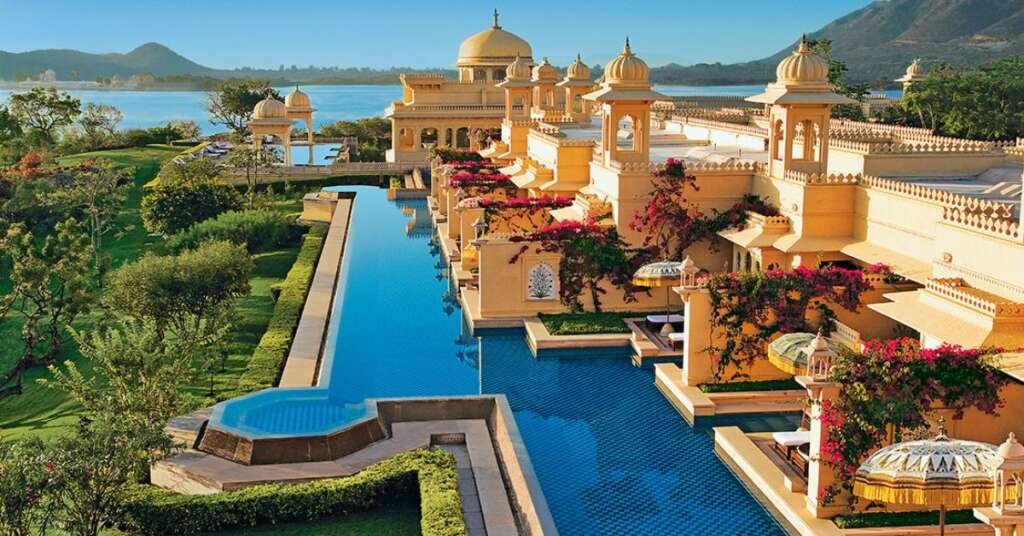
Designed by architect Nimish Patel and landscape architect Parul Zaveri, the hotel draws inspiration from traditional Rajasthani palace architecture.
Credits: https://www.themilliardaire.com/en/hotels/the-oberoi-udaivilas-udaipur-9480/
4. The Edition Hotels: Modern Boutique Sophistication
EDITION Hotels completely changed the modern boutique hotel aesthetic. Their interiors typically combine:
- Warm minimalism
- Mood lighting
- Textured neutral palettes
- Contemporary furniture
- Socially driven spaces
Instead of creating overly formal luxury environments, Edition hotels focus on spaces that feel stylish yet approachable.
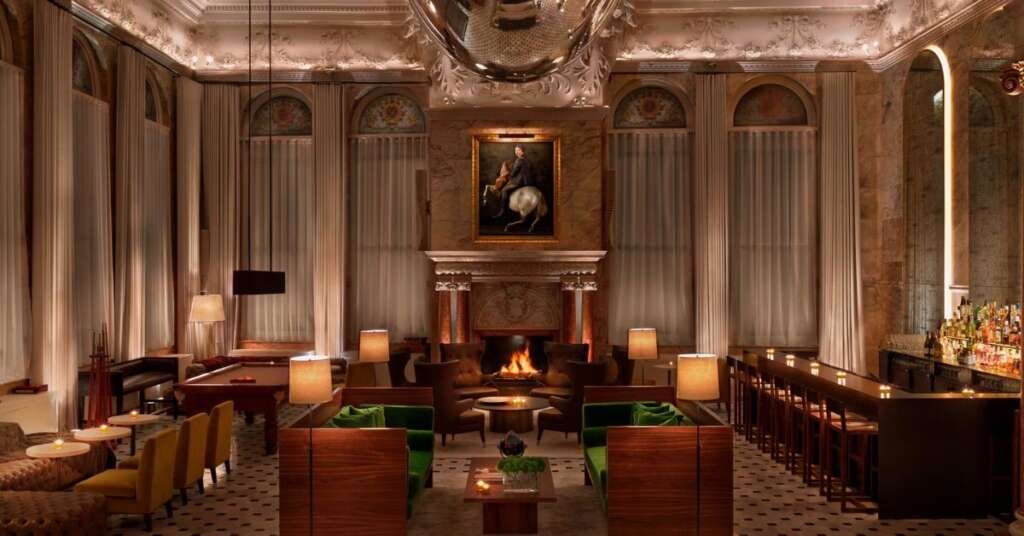
The brand’s interiors are shaped by hotel visionary Ian Schrager, who pioneered modern boutique luxury hospitality design.
Credits: https://www.marriott.com/en-gb/hotels/loneb-the-london-edition/overview/
One of the biggest design lessons here is understanding how people emotionally interact with hospitality spaces today. Guests now prefer environments that feel curated, social and relaxed rather than intimidatingly luxurious.
5. Taj Lake Palace, Udaipur: The Art of Romantic Spatial Design
Taj Lake Palace is one of the most visually iconic hotels in the world. Located in the middle of Lake Pichola, the palace combines:
- White marble architecture
- Intricate jali work
- Courtyards
- Royal detailing
- Traditional craftsmanship
The interiors feel intimate despite the scale of the property.
Designers studying this hotel can learn how architecture, interiors, views and landscape can work together as one seamless emotional experience.
The hotel proves that a spatial atmosphere often matters more than simply filling rooms with expensive materials.
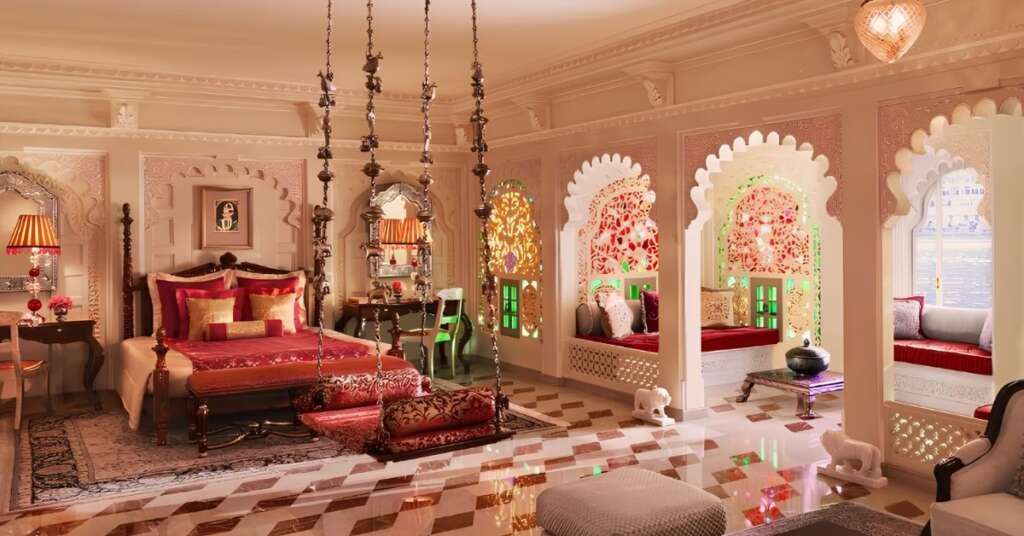
Originally built in 1746 by Maharana Jagat Singh II, the palace interiors reflect royal Rajput craftsmanship and heritage architecture.
Credits: https://lostworld.com/destinations/india/rajasthan/taj-lake-palace/
6. The NoMad Hotel, London: Layered Eclecticism Done Right
NoMad London is a brilliant example of eclectic luxury interiors that feel rich without becoming chaotic. The design mixes:
- Vintage influences
- Contemporary furniture
- Dark tones
- Velvet textures
- Artistic styling
What’s impressive is how layered the interiors feel while still maintaining visual coherence.
For designers, NoMad demonstrates the importance of storytelling through layering, texture, and curated imperfection.
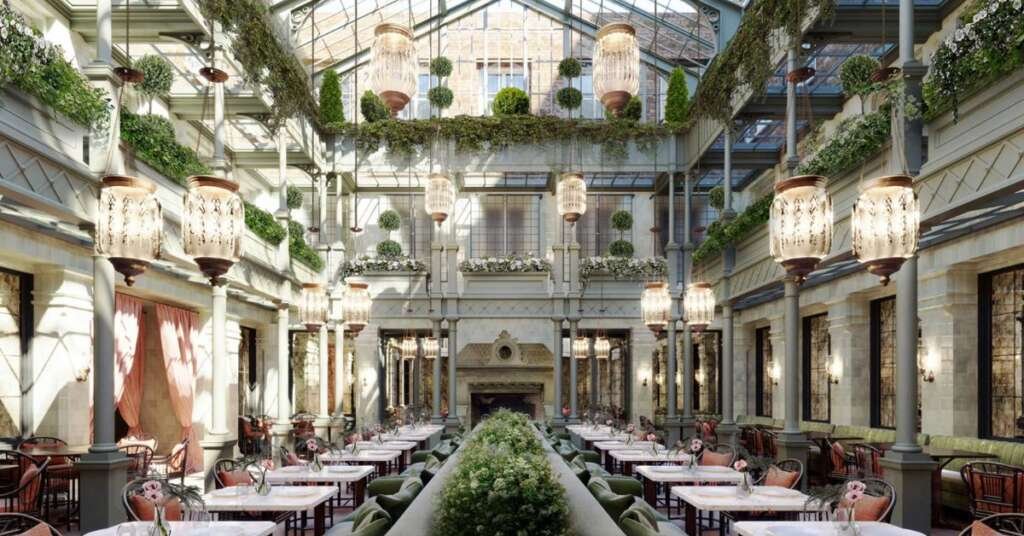
The interiors were designed by acclaimed French designer Jacques Garcia, known for his dramatic layered luxury aesthetic.
Credits: https://www.cntraveller.com/hotels/london/nomad-london-review
7. Marina Bay Sands, Singapore: Experience-Driven Design
Marina Bay Sands is one of the most recognizable hospitality projects globally. While famous for its architecture, the interiors are equally focused on creating immersive experiences through:
- Grand spatial scale
- Dramatic lighting
- Luxury retail integration
- Entertainment-focused layouts
- Panoramic city views
This hotel reflects a major shift in hospitality design where spaces are designed not just for accommodation, but for social media visibility, entertainment, and experiential engagement.
Modern designers can learn how hospitality spaces are evolving into multi-sensory lifestyle environments.
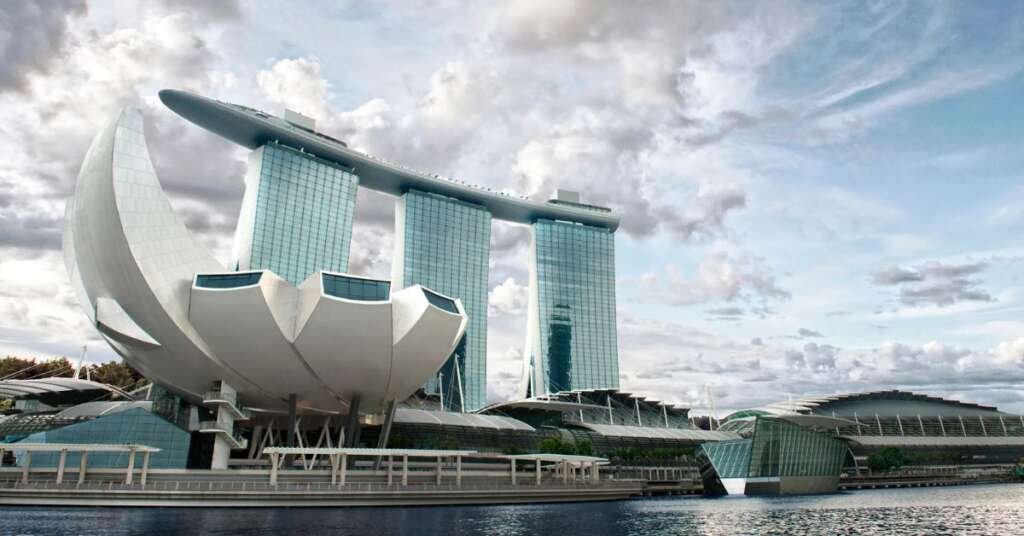
The iconic integrated resort was designed by world-famous architect Moshe Safdie, blending large-scale architecture with experiential luxury.
Credits: https://www.cntraveler.com/hotels/singapore/marina-bay-sands
8. Soho House Properties: Casual Luxury and Community
Soho House interiors completely changed how modern hospitality approaches luxury. Instead of traditional formal aesthetics, Soho House spaces feel:
- Comfortable
- Lived-in
- Creative
- Social
- Residential
The interiors mix:
- Vintage furniture
- Warm colors
- Layered decor
- Books and artwork
- Relaxed seating arrangements
This “home away from home” concept has become hugely influential in hospitality and residential design alike.
Designers can learn how emotional comfort often creates stronger luxury experiences than visual perfection alone.
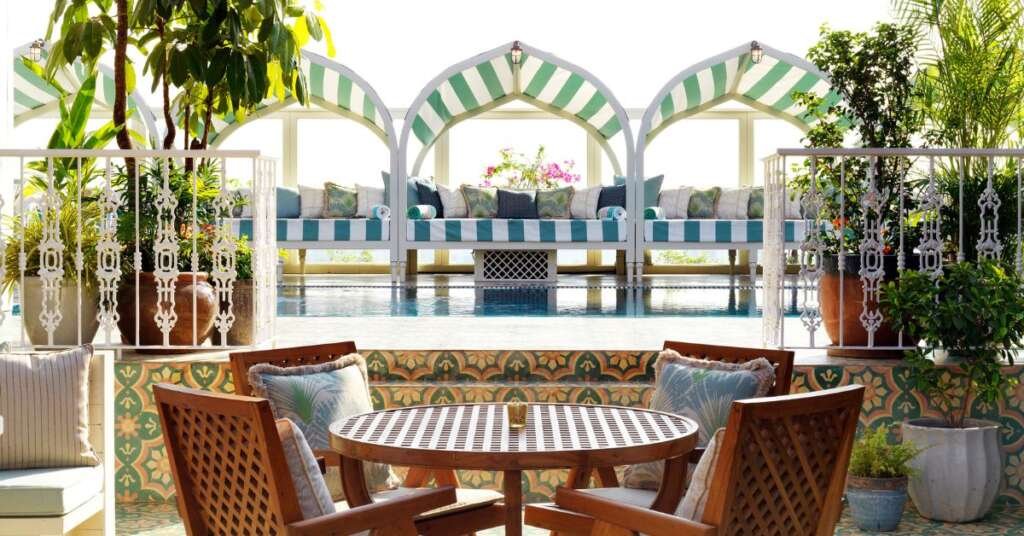
Founded by Nick Jones, Soho House redefined hospitality interiors with its relaxed, residential-style luxury approach.
Credits: https://www.dezeen.com/2018/12/10/soho-house-mumbai-india-interior-design-textiles/
What Designers Can Learn From Iconic Hotel Interiors
Across all these hotels, a few key design principles appear repeatedly.
1. Atmosphere Matters More Than Decoration
Great hotel interiors focus on how spaces feel emotionally, not just how they photograph. Lighting, acoustics, materials, and spatial flow all contribute to the atmosphere.
2. Storytelling Creates Stronger Spaces
The most memorable hotels usually reflect the local culture, history, lifestyle or emotional identity. Design becomes much more meaningful when it tells a story.
3. Luxury Is Becoming More Human
Modern hospitality design is moving away from cold formality toward warmth, comfort, texture, personalization and emotional connection
People increasingly value spaces that feel welcoming and emotionally calming.
4. Layering Creates Depth
The best hotel interiors rarely rely on one single style. Instead, they carefully layer materials, lighting, furniture, art, textures and architectural details
This creates richness and visual depth without overwhelming the space.
5. Hospitality Design Influences Residential Design
Many current home interior trends actually originated in hospitality design, including:
- Spa-inspired bathrooms
- Mood lighting
- Open lounge concepts
- Boutique-style bedrooms
- Layered neutral palettes
Hotels often shape broader interior design movements before they become mainstream.
Also Read: 8 Celebrity Living Room Design Ideas You Can Actually Use at Home
Final Thoughts
Iconic Hotel Interiors offer some of the most valuable lessons in modern design because they combine aesthetics, functionality, storytelling, comfort and emotional experience all within one environment.
Whether it’s the calming minimalism of Aman Tokyo, the heritage richness of The Oberoi Udaivilas or the relaxed sophistication of Soho House, each hotel demonstrates how thoughtful interiors can completely shape the way people feel inside a space.
And ultimately, that’s what great design is really about.
Not just creating beautiful rooms but creating memorable experiences people emotionally connect with long after they leave.

Join the discussion