

Share This Article
A well-designed home is not just a collection of rooms—it is a carefully planned composition of spaces that support daily life, comfort, privacy, and functionality. Each room serves a distinct purpose, and understanding these spaces is essential whether you are planning a new home, renovating, or simply improving how your house functions.
This guide explores 20 different types of rooms in a house, explaining their role, design considerations, and importance in residential planning.
1. Entrance Foyer
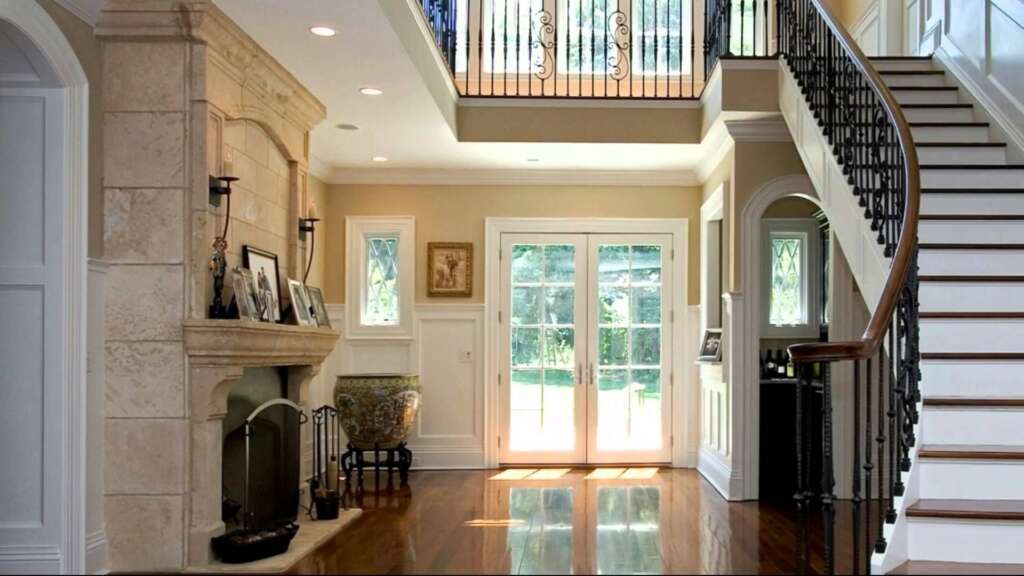
The foyer is the transitional space between the exterior and interior of a home. It sets the first impression and establishes privacy by separating public and private zones.
Design Focus: storage, lighting, visual connection to living areas
2. Living Room

The living room is the primary social space of a home, used for relaxation and hosting guests.
Design Focus: seating layout, lighting layers, openness
3. Family Room
Often more informal than the living room, the family room is designed for daily use and leisure.
Design Focus: comfort, media integration, durability
4. Drawing Room
Traditionally used for formal gatherings, the drawing room emphasizes presentation and elegance.
Design Focus: symmetry, refined materials, statement furniture
5. Dining Room
The dining room serves as a dedicated space for meals and social interaction.
Design Focus: table proportions, circulation, lighting over dining area
6. Kitchen
The kitchen is a functional workspace for cooking, storage, and food preparation.
Design Focus: work triangle, storage efficiency, ventilation
7. Breakfast Nook
A casual dining space usually attached to the kitchen, ideal for quick meals.
Design Focus: natural light, compact seating
Also Read – The Best M&M Stores in the World That Redefine Retail Design
8. Pantry
The pantry provides additional storage for dry goods and kitchen essentials.
Design Focus: shelving systems, accessibility
9. Master Bedroom
The master bedroom is the primary sleeping space designed for rest and privacy.
Design Focus: zoning, lighting, acoustic comfort
10. Guest Bedroom
A guest bedroom accommodates visitors while maintaining privacy for the household.
Design Focus: comfort, neutral aesthetics, easy access to bathroom
11. Children’s Bedroom
Designed for both rest and activity, children’s bedrooms often serve multiple functions.
Design Focus: flexibility, safety, storage
12. Bathroom
Bathrooms support personal hygiene and relaxation.
Design Focus: zoning wet and dry areas, ventilation, materials
13. Powder Room
A small guest bathroom typically located near public areas.
Design Focus: aesthetics, compact layouts
14. Walk-In Closet
A walk-in closet provides dedicated storage and dressing space.
Design Focus: organization, lighting, circulation
15. Home Office / Study Room
A study or home office is a dedicated space for work, reading, or focused activities.
Design Focus: ergonomics, lighting, acoustics
16. Utility / Laundry Room
This room supports household chores such as washing and drying clothes.
Design Focus: ventilation, workflow efficiency
17. Storage Room
Storage rooms house items not used daily, such as seasonal goods.
Design Focus: shelving, accessibility
18. Prayer / Meditation Room
Common in many homes, this space is dedicated to reflection and spiritual practices.
Design Focus: calm atmosphere, minimal distractions
19. Balcony / Terrace
An outdoor extension of the home, offering fresh air and views.
Design Focus: safety, weather-resistant materials
20. Home Theater / Entertainment Room
Designed for immersive entertainment experiences.
Design Focus: acoustics, lighting control, seating arrangement
How These Rooms Work Together
A successful home layout depends on:
- Logical zoning (public, semi-private, private)
- Efficient circulation
- Smooth spatial transitions
Good planning ensures each room enhances the functionality of the others.
Final Thoughts
Understanding the different types of rooms in a house allows for better space planning, improved comfort, and long-term usability. Whether designing a compact apartment or a large residence, thoughtful allocation and design of these spaces ensure a home that supports both lifestyle and well-being.
A well-planned home is not defined by size, but by how effectively each room serves its purpose.