

Share This Article
Interior design trends come and go, but some styles evolve beautifully instead of fading away. As we move into 2026, homeowners and designers are leaning toward choices that feel intentional, sustainable, and emotionally comforting—without sacrificing aesthetics. The focus is no longer just on what looks good on Instagram, but on what feels right to live in every day.
From earthy textures to smart luxury, here are 7 interior design trends that remain effortlessly chic for 2026, proving that good design truly stands the test of time.
1. Warm Minimalism: Less, But Better
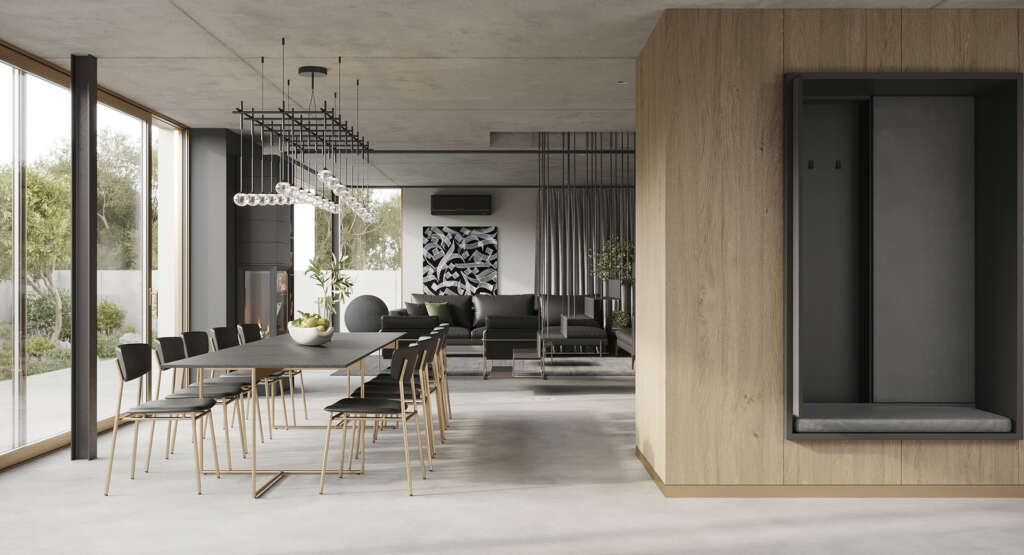
Minimalism isn’t going anywhere—but it has softened. The cold, stark interiors of the past decade are giving way to warm minimalism, a style that balances simplicity with comfort.
Instead of glossy whites and sharp edges, 2026 interiors embrace:
- Warm neutral palettes like beige, sand, and greige
- Natural materials such as wood, linen, and stone
- Thoughtfully curated décor rather than empty spaces
This approach creates calm, clutter-free homes that still feel welcoming and lived-in. It’s perfect for modern apartments, villas, and even compact urban homes.
Why it’s still chic: It promotes mental clarity while feeling cozy—an ideal combination for today’s lifestyle.
2. Earthy Color Palettes Inspired by Nature
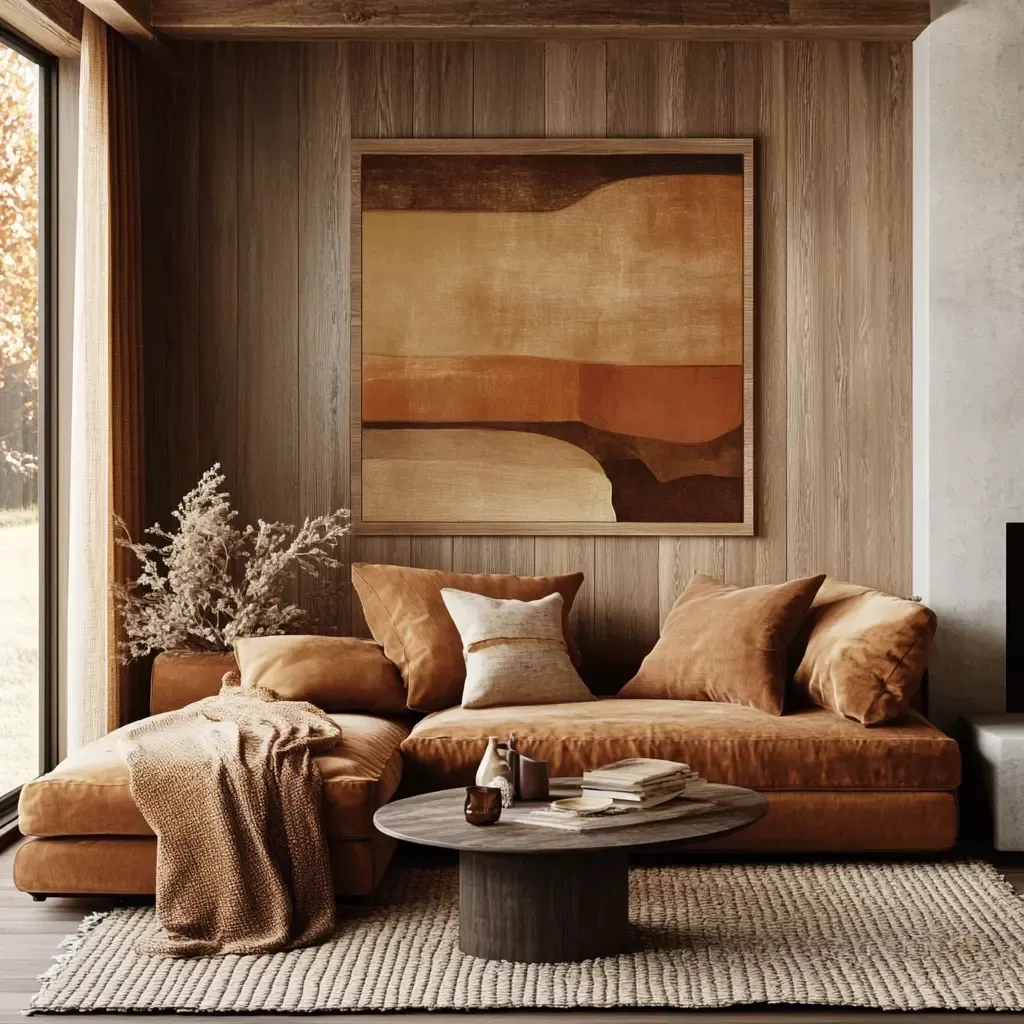
Nature continues to influence interior design strongly in 2026. Earth-inspired colors are dominating walls, upholstery, and décor elements.

Popular shades include:
- Terracotta and clay
- Olive and moss green
- Warm browns and caramel tones
- Muted blues inspired by sky and water
These colors add depth and warmth without overwhelming the space. They pair beautifully with natural light and organic materials, creating interiors that feel grounded and timeless.
Why it’s still chic: Earthy hues bring emotional comfort and blend effortlessly with both modern and traditional interiors.
3. Sustainable Design as a Style Statement
Sustainability is no longer a trend—it’s a design philosophy. In 2026, eco-conscious choices are seen as luxury, not compromise.
Key sustainable design elements include:
- Reclaimed wood furniture
- Low-VOC paints and finishes
- Handcrafted décor made by local artisans
- Durable materials that age gracefully
Homes are being designed to last longer, reduce waste, and reflect mindful living.
Why it’s still chic: Sustainability adds authenticity and meaning to interiors while aligning with global environmental values.
Also Read – 20 Different Types of Rooms in a House
4. Textured Walls and Layered Surfaces
Flat, plain walls are being replaced by texture-rich surfaces that add character and dimension. In 2026, texture plays a major role in making interiors visually interesting without relying on excessive décor.
Trending wall finishes include:
- Limewash and microcement
- Subtle wall paneling
- Textured wallpapers and plaster finishes
Layering textures – smooth with rough, matte with glossy – adds sophistication and warmth to spaces.
Why it’s still chic: Texture creates depth and visual interest, making even neutral spaces feel luxurious.
5. Curved Furniture and Soft Silhouettes
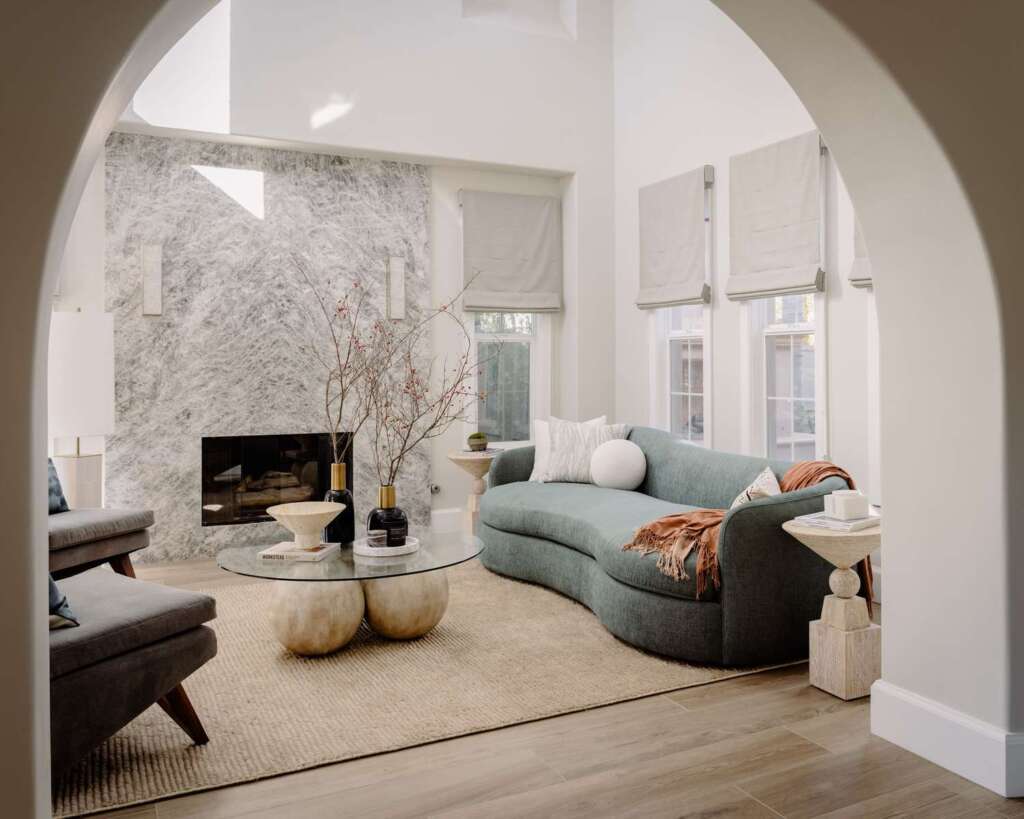
Sharp lines are softening. Curved furniture continues to dominate living rooms, bedrooms, and even kitchens in 2026.
Designers are opting for:
- Rounded sofas and armchairs
- Curved headboards
- Arched doorways and niches
These soft silhouettes make interiors feel more relaxed and approachable while maintaining a modern aesthetic.
Why it’s still chic: Curves add elegance, comfort, and a sense of flow to interior spaces.
6. Smart Luxury: Technology That Blends In
Luxury interiors in 2026 are defined by invisible technology. Smart homes are becoming smarter – but also more discreet.
Popular integrations include:
- Hidden smart lighting systems
- Voice-controlled climate and curtains
- Sleek, minimal home automation panels
The goal is functionality without visual clutter. Technology enhances comfort while seamlessly blending into the design.
Why it’s still chic: It delivers modern convenience without disrupting the aesthetic harmony of the home.
7. Personalised Spaces That Tell a Story
Perhaps the most important trend of 2026 is personalisation. Homes are no longer designed to impress others – they’re designed to reflect the people living in them.
This includes:
- Custom furniture and built-ins
- Art, books, and décor with emotional value
- Spaces designed around lifestyle, not trends
Designers are focusing on storytelling through interiors, ensuring each home feels unique and meaningful.
Why it’s still chic: Personalised spaces never go out of style—they evolve with you.
Final Thoughts
The interior design trends of 2026 prove that true style lies in balance – between beauty and comfort, innovation and sustainability, simplicity and warmth. These seven trends aren’t about following fleeting fashions; they’re about creating homes that feel timeless, thoughtful, and deeply personal.
If there’s one takeaway for 2026, it’s this: design your space to live well, not just to look good.