

Share This Article
When you think of Starbucks, the first image that comes to mind might be the green mermaid logo or the smell of freshly brewed coffee. But for design enthusiasts and travelers, Starbucks is much more than coffee—it’s a canvas of architectural innovation and interior creativity. Across the globe, select Starbucks locations have transformed themselves into iconic landmarks, marrying culture, local aesthetics, and functional design.
Let’s take a tour of some of the best Starbucks in the world from a design and architecture perspective.
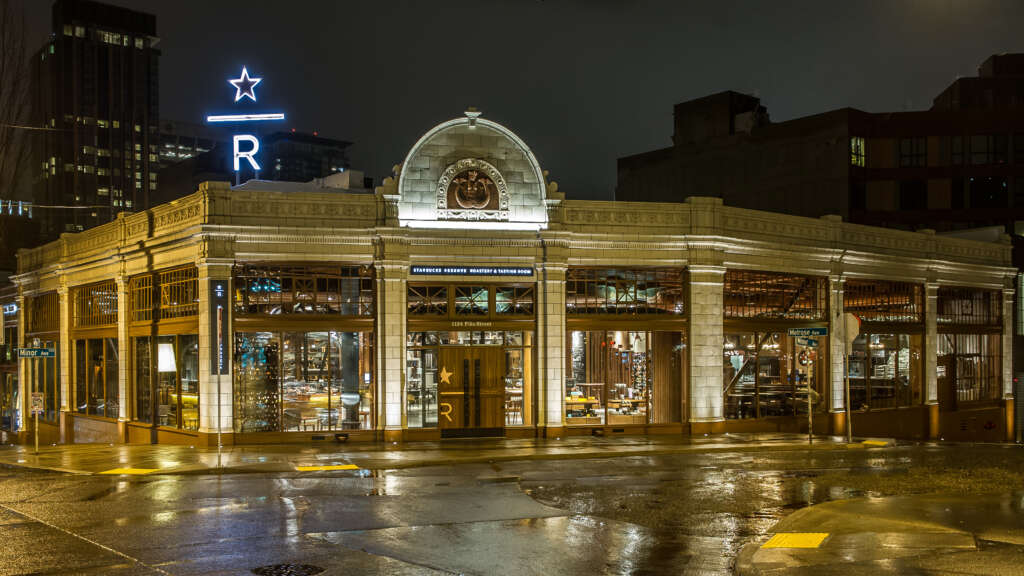
1. Starbucks Reserve Roastery – Seattle, USA
Architectural Highlights:
- Opened in 2014, this flagship Reserve Roastery covers 15,000 sq. ft. with an industrial yet warm aesthetic.
- Exposed brick walls, soaring wooden ceilings, and copper roasting equipment dominate the space.
- The iconic “coffee chest” staircase spirals elegantly through the multi-level store, creating a visual centerpiece.
Why It’s Special:
Seattle, Starbucks’ birthplace, is where design meets coffee craftsmanship. Every architectural element celebrates the brand’s heritage while offering an immersive sensory experience.
2. Starbucks – Milan, Italy
Architectural Highlights:
- Designed by Italian firm Mario Cucinella Architects, the store embraces contemporary Italian design.
- Open, bright interiors with marble counters, olive wood accents, and floor-to-ceiling windows overlooking Milan’s urban fabric.
- Sustainable design elements, such as energy-efficient lighting and recycled materials.
Why It’s Special:
Milan is known as a fashion and design capital. Starbucks Milan blends modernity and sustainability while paying homage to local craftsmanship.

3. Starbucks – Amsterdam, Netherlands
Architectural Highlights:
- A former 19th-century neo-gothic church converted into a Starbucks café.
- High arched ceilings, preserved stained glass windows, and the original altar create a dramatic setting.
- Modern furniture and coffee counters integrate seamlessly with historic details.
Why It’s Special:
This location is a masterclass in adaptive reuse, preserving history while creating a functional modern café.
4. Starbucks Reserve – Mumbai, India
Architectural Highlights:
- Contemporary design blending minimalist interiors with luxurious materials like brass, wood, and stone.
- Open-plan seating, intimate booths, and a sleek barista counter provide functional elegance.
- Large windows allow natural light, enhancing warm tones and textures.
Why It’s Special:
This Reserve store merges global Starbucks aesthetics with Indian design sensibilities, creating a luxurious yet approachable space.
5. Starbucks – Bluewater Reserve, UAE
Architectural Highlights:
- Located on Bluewaters Island in Dubai, this Starbucks Reserve blends modern luxury with Middle Eastern aesthetics.
- Sleek, futuristic interiors with glass walls, geometric patterns, and high ceilings create an airy, expansive feel.
- Incorporates local materials such as marble, polished wood, and gold-accented finishes, giving a premium and culturally resonant touch.
- Outdoor terrace seating offers views of the Dubai skyline and Ain Dubai, enhancing the spatial experience.
Why It’s Special:
It’s more than a café; it’s an immersive experience for coffee enthusiasts, offering rare coffee varieties in a visually stunning, Instagram-worthy environment. It’s a perfect example of how Starbucks adapts its Reserve concept to local culture and urban landscape, making it a unique destination in the UAE.
Also Read – Why Copenhagen Is the World’s Most Bike-Friendly City (And What the Rest Can Learn)
6. Starbucks – Tokyo, Japan (Nakameguro)
Architectural Highlights:
- Sleek, modern design with extensive use of glass to connect interior and river views.
- Neutral color palettes, natural wood, and minimalistic furniture create a calming environment.
- Reflects Japanese aesthetics of simplicity, nature, and harmony.
Why It’s Special:
Perfectly captures local design philosophy, offering a contemplative coffee experience along the river.
7. Starbucks Reserve – Shanghai, China
Architectural Highlights:
- One of the largest Reserve stores globally, spanning multiple floors.
- Industrial-meets-modern with large coffee roasting equipment as focal points.
- Interactive elements include barista-led demonstrations and tasting experiences.
Why It’s Special:
Shanghai Reserve is a flagship experience in both coffee and design, merging functionality with awe-inspiring visuals.
8. Starbucks – Cheongdam, Seoul, South Korea
Architectural Highlights:
- Minimalist interiors with floor-to-ceiling glass and sleek marble countertops.
- Luxurious finishes with high-end furniture, lighting, and carefully curated artwork.
- Spatial planning prioritizes both aesthetic appeal and functional flow.
Why It’s Special:
Seoul’s Starbucks represents the fusion of luxury and minimalism, offering a high-design coffee experience.
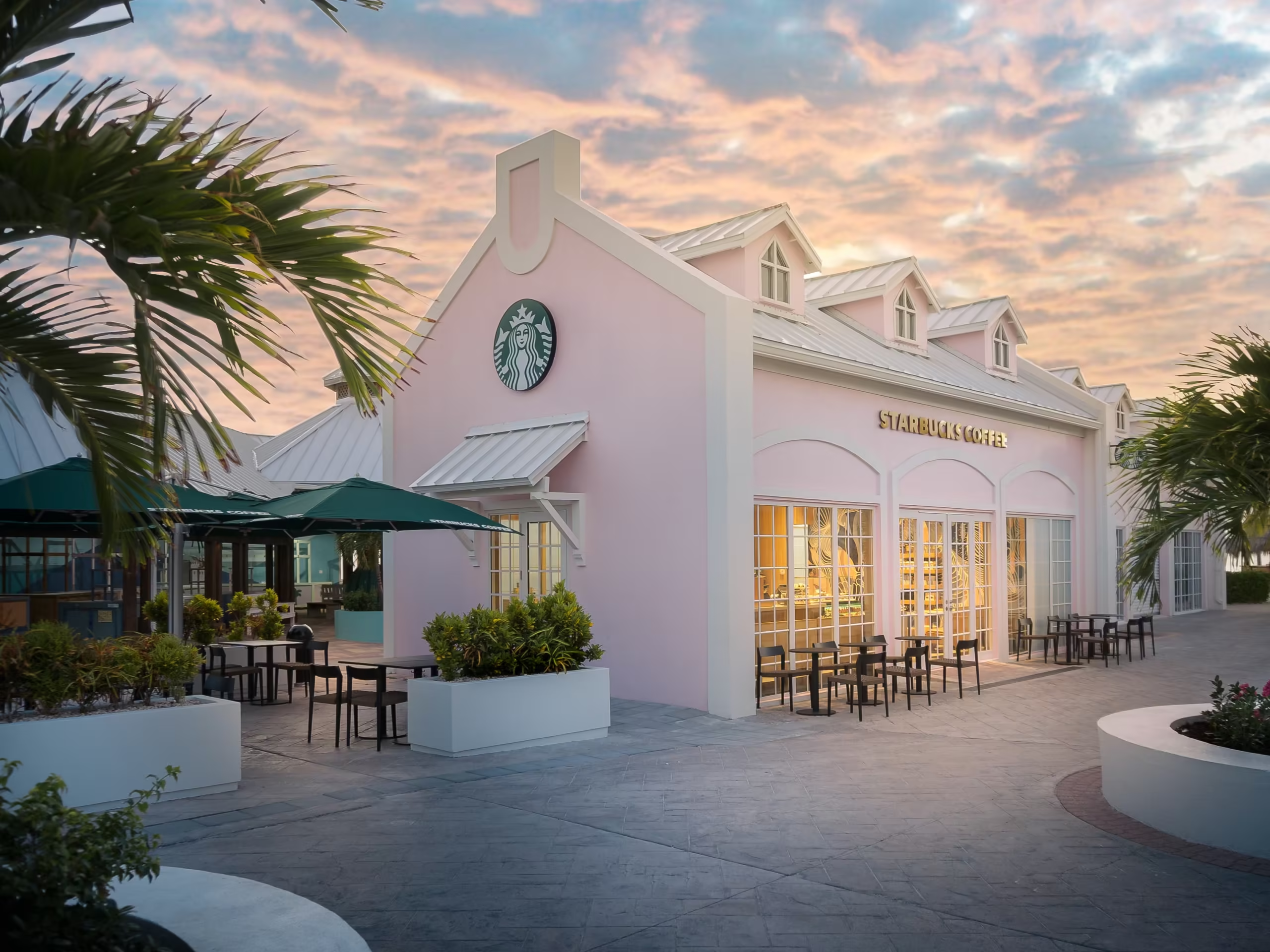
9. Starbucks – Cockburn Town, Turks & Caicos
Architectural Highlights:
- Colonial-style architecture with pastel facades and traditional Caribbean shutters.
- Open-air layout with veranda seating overlooking tropical landscapes.
- Natural materials like wood and wicker complement the coastal environment.
Why It’s Special:
Combines Caribbean charm with Starbucks’ modern café experience, perfect for tourists and locals alike.
10. Starbucks – Punta Cana, Dominican Republic
Architectural Highlights:
- Tropical-inspired design with thatched roofs and wooden accents.
- Indoor-outdoor flow, featuring natural ventilation and greenery.
- Soft neutral tones and local craftsmanship create a relaxed, beachy vibe.
Why It’s Special:
An immersive coffee experience that integrates local culture, tropical architecture, and natural materials.
11. Starbucks Reserve – GL YangShuo Yitian Street Store, Guilin, China
Architectural Highlights:
- Minimalist design with floor-to-ceiling glass walls overlooking the Li River.
- Wood and stone textures echo natural Chinese landscapes.
- Open, airy interiors allow light to highlight design elements.
Why It’s Special:
Harmonizes Starbucks’ modern aesthetic with Guilin’s scenic beauty, offering a contemplative coffee experience.
12. Starbucks – Alajuela, Costa Rica
Architectural Highlights:
- Rustic, tropical-inspired design featuring locally sourced wood and bamboo.
- Outdoor seating with lush greenery, reflecting Costa Rica’s eco-conscious culture.
- Neutral and earthy tones integrate with the surrounding landscape.
Why It’s Special:
A celebration of Costa Rica’s commitment to sustainability and natural beauty, offering more than just coffee.
13. Starbucks – Antigua, Guatemala
Architectural Highlights:
- Colonial-style building with colorful stucco walls and tiled roofs.
- Courtyard seating surrounded by local flora enhances ambiance.
- Use of traditional materials like wood and terracotta integrates heritage with modern comfort.
Why It’s Special:
Embodies Antigua’s rich architectural heritage, creating a unique café experience that connects coffee with culture.
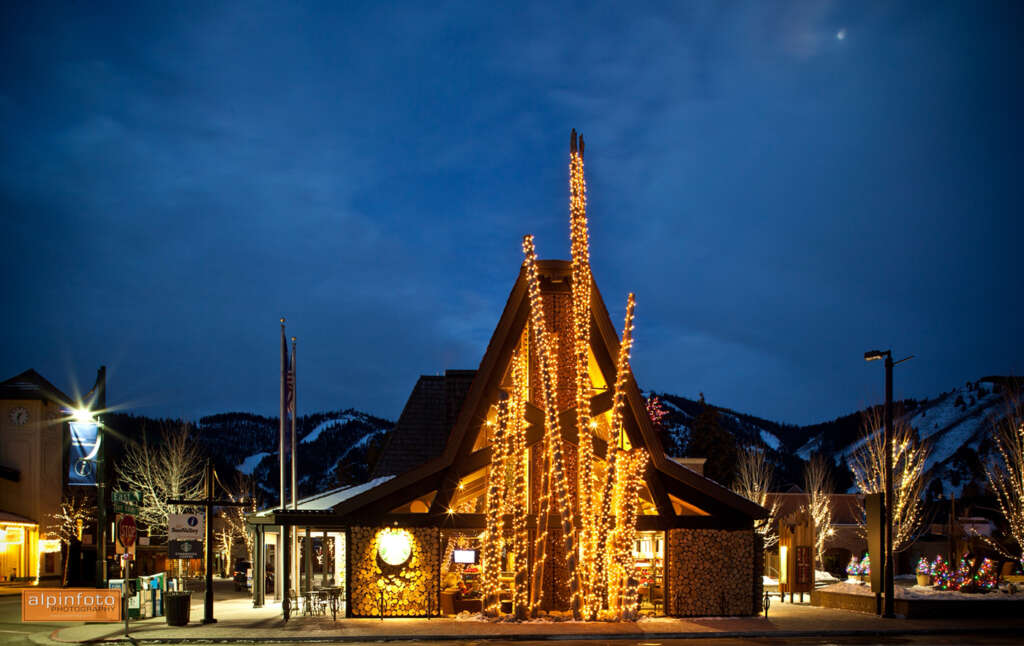
14. Starbucks – Ketchum, Idaho
Architectural Highlights:
- Mountain lodge-inspired design with stone facades and timber beams.
- Cozy interiors with fireplaces, wood textures, and warm lighting.
- Large windows capture surrounding mountain landscapes.
Why It’s Special:
Perfect for ski towns and mountain retreats, blending Starbucks with rustic lodge aesthetics.
15. Starbucks – Cali, Colombia
Architectural Highlights:
- Contemporary Colombian design featuring curved roofs and vibrant colors.
- Open spaces with local artisan furniture and traditional weaving accents.
- Integrates coffee heritage through educational displays and coffee tasting stations.
Why It’s Special:
Celebrates Colombia as a coffee origin country, combining immersive storytelling with local design.
Why Design Matters in Starbucks Cafés
Starbucks has consistently shown that a café is more than just a place to drink coffee. Architectural and interior design elevate the experience, making each location feel unique while maintaining brand identity. From minimalist Japanese cafés to extravagant European roasteries, Starbucks integrates:
- Contextual design: Structures that harmonize with local culture and environment.
- Material innovation: Combining wood, metal, glass, and stone creatively.
- Spatial experience: Open layouts, natural light, and interactive elements like roasting stations.
- Adaptive reuse: Transforming historic structures without losing their essence.
Conclusion
The next time you sip a latte at Starbucks, take a moment to look around. From historic transformations to futuristic roasteries, Starbucks locations are a celebration of design, architecture, and cultural sensitivity. Whether you’re an architecture enthusiast, traveler, or design professional, these cafés offer inspiration and a lesson in blending aesthetics with functionality.
Starbucks proves that coffee culture and architecture can merge beautifully, creating spaces that are both visually stunning and emotionally comforting.