

Share This Article
A building façade is no longer just the outer skin of a structure. Today, smart façades are becoming an essential part of sustainable architecture, energy-efficient buildings and high-performance design. By combining advanced glass, intelligent shading systems, responsive materials and climate-conscious design, modern façades can significantly influence how a building looks, feels and performs.
The growing focus on building energy performance, carbon reduction and occupant comfort has made façade design more important than ever. Architects and designers are now exploring how the right combination of solar shading, high-performance glass, insulation and façade technology can reduce heat gain while allowing natural daylight to enter interior spaces.
For commercial buildings, offices, hotels, residential towers and institutional projects, a well-designed façade can help reduce energy consumption, improve indoor comfort and create a stronger architectural identity.
What Exactly Is a Smart Façade?
A smart façade is a building envelope designed to respond intelligently to changing environmental conditions. Unlike conventional façades, which remain relatively static, smart façade systems can adapt to sunlight, temperature, wind and other external factors.
This can happen through automated external shading, dynamic glass, responsive louvers, ventilated façades or sensor-controlled systems. The objective is simple: create a façade that works with the climate instead of constantly fighting against it.
In sustainable architecture, the façade acts as a mediator between the indoor and outdoor environments. It controls sunlight, heat, glare, ventilation and daylight while contributing to the overall energy efficiency of the building.
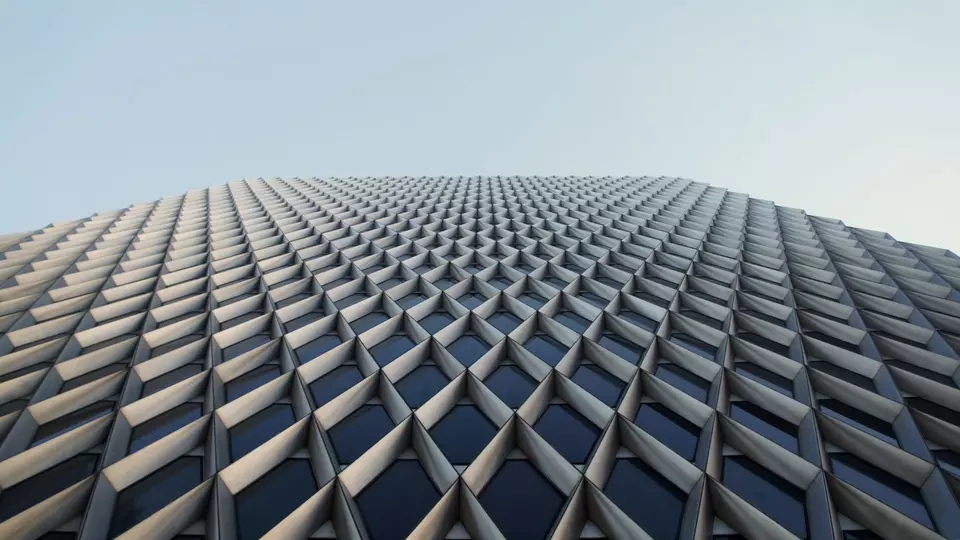
Why Façade Design Matters for Energy Efficiency
One of the biggest sources of energy consumption in buildings is cooling. In warm climates, large glazed façades can allow substantial amounts of solar radiation into the building, increasing indoor temperatures and forcing air-conditioning systems to work harder.
This is where energy-efficient façade design becomes critical. A carefully designed building envelope can control solar heat gain before it reaches the interior, reducing cooling loads and improving thermal comfort.
The orientation of the building, window-to-wall ratio, type of glass, shading strategy, insulation and façade materials all influence building performance. Instead of treating the façade as an aesthetic layer, architects increasingly see it as an active environmental system.
Also read – Indian Bazaars: 7 Powerful Architecture Lessons for Modern Retail Design
Solar Shading: The First Line of Defence
Solar shading is one of the most effective ways to improve façade performance. External shading devices can block direct sunlight before it passes through the glass, reducing heat gain and glare.
Architectural shading can take many forms, including horizontal overhangs, vertical fins, balconies, louvers, perforated screens and external blinds. The ideal solution depends on the building’s orientation, climate and sun path.
In hot and sunny regions, well-designed shading can dramatically improve indoor comfort while reducing dependence on mechanical cooling. It also creates opportunities for architects to add depth, rhythm and character to the building façade.
Dynamic Shading Makes Façades More Intelligent
Traditional shading systems are fixed, but dynamic shading systems take façade performance a step further. These systems can respond to changing sunlight conditions throughout the day.
Motorised louvers, automated blinds and kinetic façade elements can adjust their position depending on solar radiation and indoor requirements. Sensors can monitor factors such as sunlight, temperature and glare, allowing the façade to react accordingly.
This approach creates a more responsive building envelope. Instead of using the same shading strategy throughout the day, the façade can adapt to changing environmental conditions and support better energy management.
High-Performance Glass Is Changing Modern Architecture
Glass has transformed contemporary architecture, allowing buildings to become brighter, more transparent and visually connected to their surroundings. However, conventional glass can create significant problems related to heat gain, glare and energy consumption.
This has led to the growing use of high-performance architectural glass. Low-emissivity glass, solar-control glass, double glazing and triple glazing can improve thermal performance while maintaining the visual qualities architects want.
Low-E glass, for example, is designed to reduce the transfer of heat while allowing useful daylight to enter. Solar-control glass can limit solar heat gain, making it particularly useful for buildings in warm and high-sun environments.
The right glazing solution can therefore balance three important factors: daylight, solar heat gain and thermal comfort.

Double Glazing and Triple Glazing for Better Performance
Glazing technology plays a major role in creating an energy-efficient building envelope. Double-glazed windows use two panes of glass separated by an insulating cavity, while triple glazing adds another layer for improved thermal performance.
The space between the glass panes can contain air or insulating gases, helping reduce heat transfer. This can improve indoor temperature stability and reduce the workload on heating and cooling systems.
However, more glass does not automatically mean better performance. Architects need to consider climate, orientation, façade design and building usage before selecting the appropriate glazing system.
Daylight Without the Heat Problem
Natural daylight is one of the biggest advantages of glazed façades. Well-designed daylighting can reduce the need for artificial lighting and create healthier, more comfortable interiors.
The challenge is to bring daylight inside without allowing excessive solar heat and glare. This is where smart façade design becomes particularly valuable.
A combination of carefully selected glass, external shading, light shelves and façade orientation can distribute daylight deeper into interiors while controlling solar radiation. The result is a more balanced relationship between transparency, daylight and energy performance.
The Rise of Responsive and Adaptive Façades
The next generation of façade design is becoming increasingly adaptive. Adaptive façades can change their physical or optical properties in response to environmental conditions.
Some systems use movable panels or louvers, while others use advanced glazing that can change its transparency or solar-control characteristics. These technologies allow the façade to respond dynamically instead of relying entirely on fixed architectural elements.
Adaptive façades are particularly interesting for high-performance buildings because they can respond to multiple conditions throughout the day. The building envelope effectively becomes a responsive interface between the climate and the occupied space.
Smart Glass: A Powerful Tool for Modern Buildings
Smart glass is another technology gaining attention in sustainable architecture. Unlike conventional glazing, smart glass can modify its light transmission properties.
Electrochromic glass, for example, can change its tint in response to electrical control. When sunlight becomes intense, the glass can become darker, helping reduce glare and solar heat gain. When conditions change, it can become clearer to allow more daylight.
This creates new possibilities for glass façades in offices, airports, hotels, healthcare buildings and high-rise architecture. Smart glass can help architects achieve expansive views while improving control over indoor environmental conditions.
Can Smart Façades Really Reduce Energy Consumption?
The answer depends on how the façade is designed and integrated with the rest of the building. A smart façade is not a standalone solution. Its performance depends on orientation, climate, building systems, occupancy patterns and controls.
When properly designed, energy-efficient façades can reduce cooling demand, improve daylight utilisation and support more efficient HVAC operation. This can contribute to lower operational energy use and improved building performance.
The greatest results often come when façade design begins during the early architectural planning stage rather than being treated as an upgrade at the end of a project.
The Importance of Climate-Responsive Façade Design
There is no universal smart façade solution. A façade designed for Mumbai will not necessarily perform equally well in London, Dubai or Singapore.
Climate-responsive architecture considers local solar exposure, temperature, humidity, wind patterns and seasonal conditions. In hot climates, solar shading and solar-control glazing may be particularly important. In colder regions, façades may focus more strongly on insulation and passive solar gain.
Understanding the local climate allows architects to create façades that respond naturally to environmental conditions instead of depending excessively on mechanical systems.
Smart Façades and Sustainable Architecture
The conversation around sustainable architecture is increasingly moving beyond materials and aesthetics. Buildings are expected to perform better throughout their entire operational life.
Façades can contribute to this goal by reducing energy demand, improving thermal comfort and supporting natural daylight. When combined with efficient HVAC systems, renewable energy, energy monitoring and passive design strategies, high-performance façades can become an important part of low-energy buildings.
This also connects façade design with broader sustainability goals, including reduced operational carbon emissions and improved resource efficiency.
Beyond Performance: Designing Better Experiences
Technology should not make architecture feel mechanical. The best smart façades combine performance with visual quality and human experience.
Shading devices can create changing patterns of light and shadow. Perforated screens can provide privacy while maintaining ventilation. Dynamic façades can create movement and visual identity. High-performance glass can connect interiors with surrounding landscapes and city views.
This demonstrates that energy-efficient façade design does not have to compromise architectural expression. Instead, environmental performance can become a source of creativity.
The Future of Smart Façade Technology
The future of façade design is likely to become even more connected, responsive and data-driven. Sensors, building management systems, artificial intelligence and advanced materials could allow façades to respond more precisely to changing environmental and occupancy conditions.
As cities become denser and the demand for energy-efficient buildings increases, architects will need to rethink how buildings interact with their surroundings. The façade will increasingly become an active component of building performance rather than simply a decorative exterior.
From dynamic glass and automated shading to adaptive façades and climate-responsive architecture, smart façade technology is opening new possibilities for sustainable buildings.
Why Smart Façades Are the Future of Building Design
The modern façade is no longer simply about creating an impressive exterior. It is about controlling heat, managing daylight, improving comfort and reducing energy consumption while creating meaningful architectural experiences.
Smart façades, high-performance glass, solar shading and adaptive building envelopes offer architects powerful tools for addressing some of the biggest challenges facing contemporary buildings. When technology and design work together, façades can become more than a building skin – they can become an intelligent environmental system.
As the architecture and construction industry moves towards net-zero buildings, sustainable design and higher energy-performance standards, smart façade technology will play an increasingly important role.
The future of architecture may not simply be about building smarter. It may be about making every part of the building including its façade work smarter.