


Share This Article
How School Architecture Can Improve Learning, Safety and Creativity is a question that has become increasingly important as educators, architects, and policymakers rethink what learning environments should look like in the 21st century.
For decades, schools around the world followed a familiar formula: long corridors, identical classrooms, fluorescent lighting, and rows of desks facing a blackboard. The design was functional, efficient, and easy to replicate.
But learning has changed.
Today’s students collaborate more, move more, interact with technology differently, and learn through a wider variety of experiences than previous generations. As a result, architects are beginning to recognize something powerful:
A school building doesn’t simply contain education.
It actively shapes it.
The layout of a classroom, the quality of natural light, the availability of outdoor spaces, the feeling of safety, and even the acoustics of a room can influence how students learn, behave, and create.
The Building Becomes the Third Teacher
Educational theorists often describe the learning environment as the “third teacher,” alongside educators and parents.
The idea is simple.
Every space sends messages. A dark, cramped classroom communicates something very different from a bright, flexible, and welcoming one. Architecture influences:
- Concentration
- Confidence
- Social interaction
- Curiosity
- Emotional wellbeing
Students spend thousands of hours inside school environments during their formative years. The spaces surrounding them inevitably shape how they experience learning.
The best schools understand that architecture is not separate from education. It is part of education.
Why Natural Light Matters More Than We Think
Walk into a classroom flooded with daylight and you’ll immediately notice the difference. The room feels more energetic.
More inviting. More alive.
Research has repeatedly shown that access to natural light can improve concentration, mood, and overall wellbeing. That’s why many contemporary school designs prioritize large windows, courtyards, skylights, and open layouts that maximize daylight penetration.
Compare the two environments below:
| Traditional Classroom | Contemporary Learning Space |
| Artificial lighting throughout the day | Abundant natural daylight |
| Limited outdoor views | Visual connection to nature |
| Enclosed atmosphere | Open and welcoming environment |
| Static learning experience | Dynamic learning experience |
The change may seem simple, but its impact can be significant. Students perform better when their environment supports comfort and focus.

Description: Bright contemporary classroom filled with natural daylight, flexible seating, and views of outdoor green spaces.
Credits: https://stockcake.com/i/sunlit-classroom-session_1310732_1089489
Designing for Curiosity Instead of Control
Many older schools were designed around supervision. The primary goal was efficiency and control. Modern educational design increasingly focuses on something different:
Exploration.
Schools today are incorporating:
- Flexible learning zones
- Collaborative spaces
- Informal study areas
- Interactive commons
- Outdoor classrooms
These environments encourage students to move, interact, and learn in multiple ways. Architecture becomes a catalyst for discovery rather than simply a container for instruction.
This shift reflects a broader understanding that learning often happens outside traditional classroom boundaries.
Safety Is More Than Security
When people discuss safety in schools, they often think about gates, cameras, and access control.
While those elements matter, architectural safety is much broader. Students learn best when they feel secure, comfortable, and supported. Thoughtful school design contributes to safety through:
| Design Element | Impact |
| Clear sightlines | Improved supervision |
| Well-lit spaces | Increased comfort |
| Organized circulation | Reduced congestion |
| Accessible layouts | Inclusive movement |
| Outdoor visibility | Enhanced awareness |
The goal isn’t to create buildings that feel restrictive. It’s to create environments that feel reassuring.
Students should feel protected without feeling confined.
Also Read: What Makes a Public Library Great? Design Lessons from Famous Libraries
The Importance of Human Scale
One reason many contemporary schools feel more welcoming is their focus on human scale. Large institutional buildings can sometimes feel overwhelming, especially for younger students.
Architects increasingly break down large campuses into smaller, more approachable environments. This can include:
- Smaller learning communities
- Courtyard-based planning
- Clustered classrooms
- Informal gathering spaces
These strategies make schools feel more personal and easier to navigate. The result is often a stronger sense of belonging.
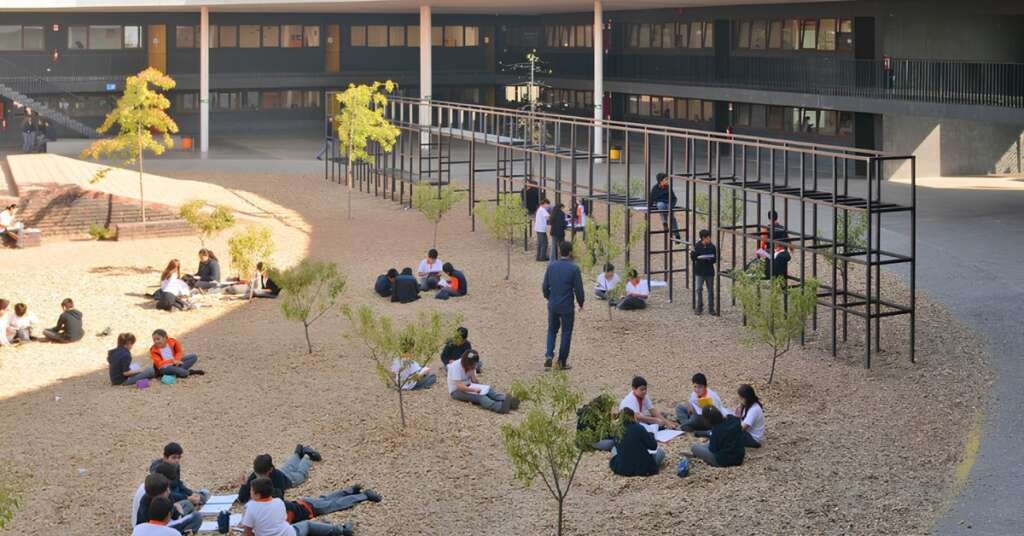
Description: School courtyard designed as a safe and interactive outdoor learning environment surrounded by classrooms.
Credits: https://www.archdaily.com/932655/patio-vivo-transforming-schoolyards-into-learning-landscapes
Creativity Thrives in Flexible Spaces
Creativity rarely emerges from rigid environments. Students need opportunities to experiment, collaborate, and adapt.
That’s why flexibility has become one of the defining characteristics of contemporary educational architecture. Instead of fixed layouts, many schools now include spaces that can transform throughout the day. A room might function as:
- A classroom in the morning
- A workshop in the afternoon
- A presentation space later in the day
Movable furniture, adaptable partitions, and multi-use environments allow schools to support different learning styles.
This flexibility mirrors the realities of modern work and life, where adaptability is increasingly valuable.
Bringing Nature Into the Learning Experience
One of the most significant shifts in school architecture is the growing emphasis on nature. Students benefit from direct access to outdoor environments. Many new schools incorporate:
- Learning gardens
- Open-air classrooms
- Courtyards
- Green roofs
- Landscaped play areas
These spaces support both formal and informal learning. They also provide opportunities for movement, reflection, and sensory engagement.
Lessons from Innovative Schools Around the World
Several educational projects have become influential examples of how architecture can transform learning.
Fuji Kindergarten
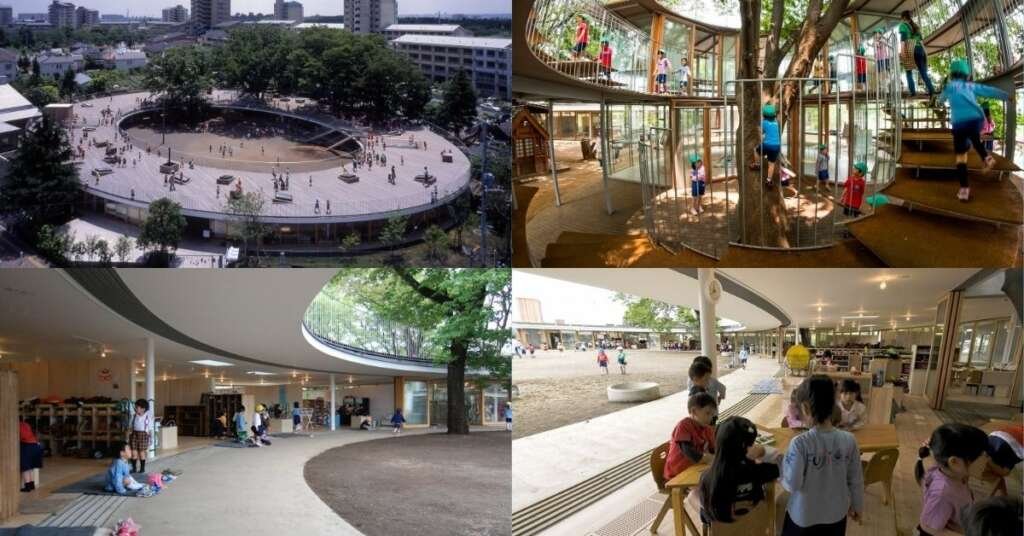
Designed by Takaharu Tezuka, this circular kindergarten encourages freedom of movement and interaction, allowing children to learn through exploration.
Ørestad Gymnasium
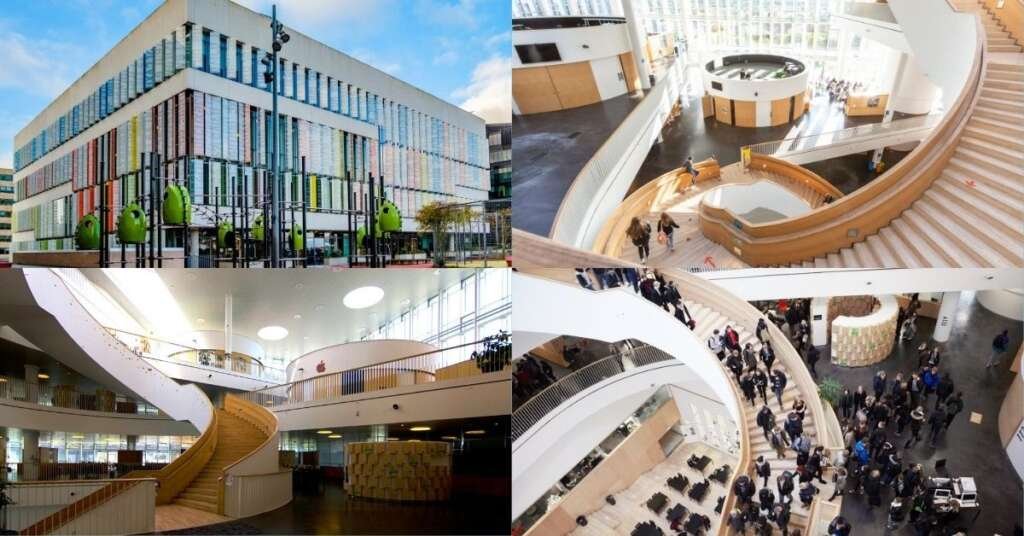
Credits: https://oerestadgym.dk/in-english/our-architecture/
Known for its open-plan learning environment, the school reimagines traditional classroom structures through collaborative and flexible spaces.
Green School Bali
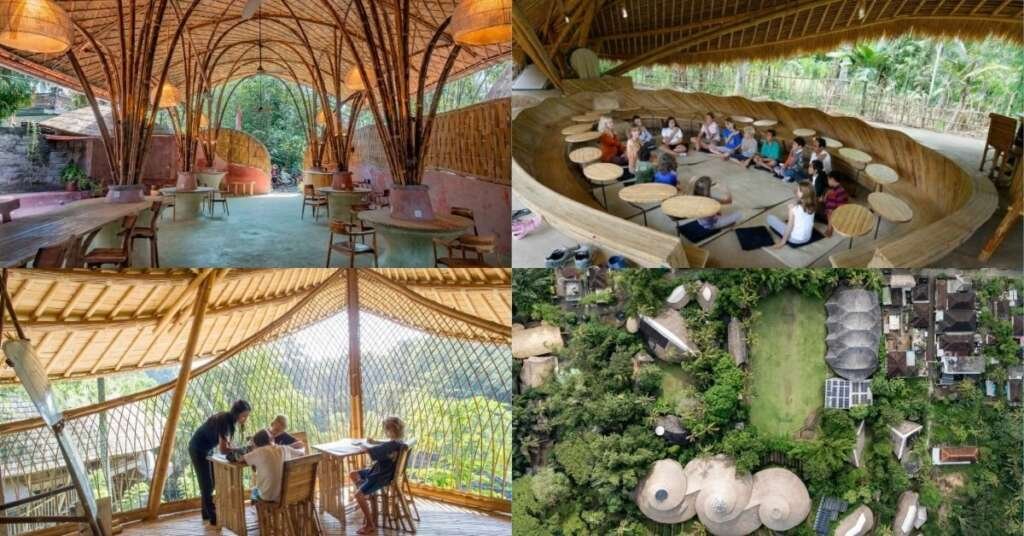
Built largely from bamboo, the campus integrates sustainability, nature, and experiential learning into a single architectural vision.
These projects demonstrate that school design can directly influence educational outcomes.
What India Can Learn from Better School Design
India faces unique challenges in educational infrastructure, from rapidly growing student populations to diverse climatic conditions.
Yet many contemporary schools across the country are beginning to embrace more thoughtful design approaches. Projects increasingly prioritize:
- Natural ventilation
- Daylighting
- Courtyard planning
- Climate-responsive design
- Flexible learning environments
Rather than simply building more classrooms, architects are exploring how educational spaces can support better learning experiences.
This shift is especially important as schools prepare students for a future that values creativity, collaboration, and problem-solving.
Sustainability and Education Go Hand in Hand
School buildings also play an important role in teaching environmental responsibility.
When students learn in buildings that visibly incorporate sustainable strategies, architecture itself becomes educational. Examples include:
- Solar panels
- Rainwater harvesting
- Green roofs
- Natural ventilation systems
- Recycled materials
These features reduce environmental impact while helping students understand sustainable living through everyday experience.
The building becomes a learning resource. Not just a backdrop.
Designing for the Future, Not the Past
Perhaps the most important lesson from contemporary school architecture is that educational environments must evolve alongside educational needs.
Final Thoughts
How School Architecture Can Improve Learning, Safety and Creativity is ultimately a question about people.
It is about creating environments where students feel inspired, secure, curious, and empowered to learn.
The best school buildings do far more than provide shelter for education. They actively shape how education happens.
Through thoughtful planning, natural light, flexible spaces, human-centered design, and meaningful connections to nature, architecture can transform schools into places where learning becomes more engaging, creativity flourishes, and wellbeing is prioritized.
As cities continue to grow and educational expectations evolve, designing better schools may be one of the most important architectural challenges of our time.
Because when we improve the spaces where children learn, we invest in the future itself.