
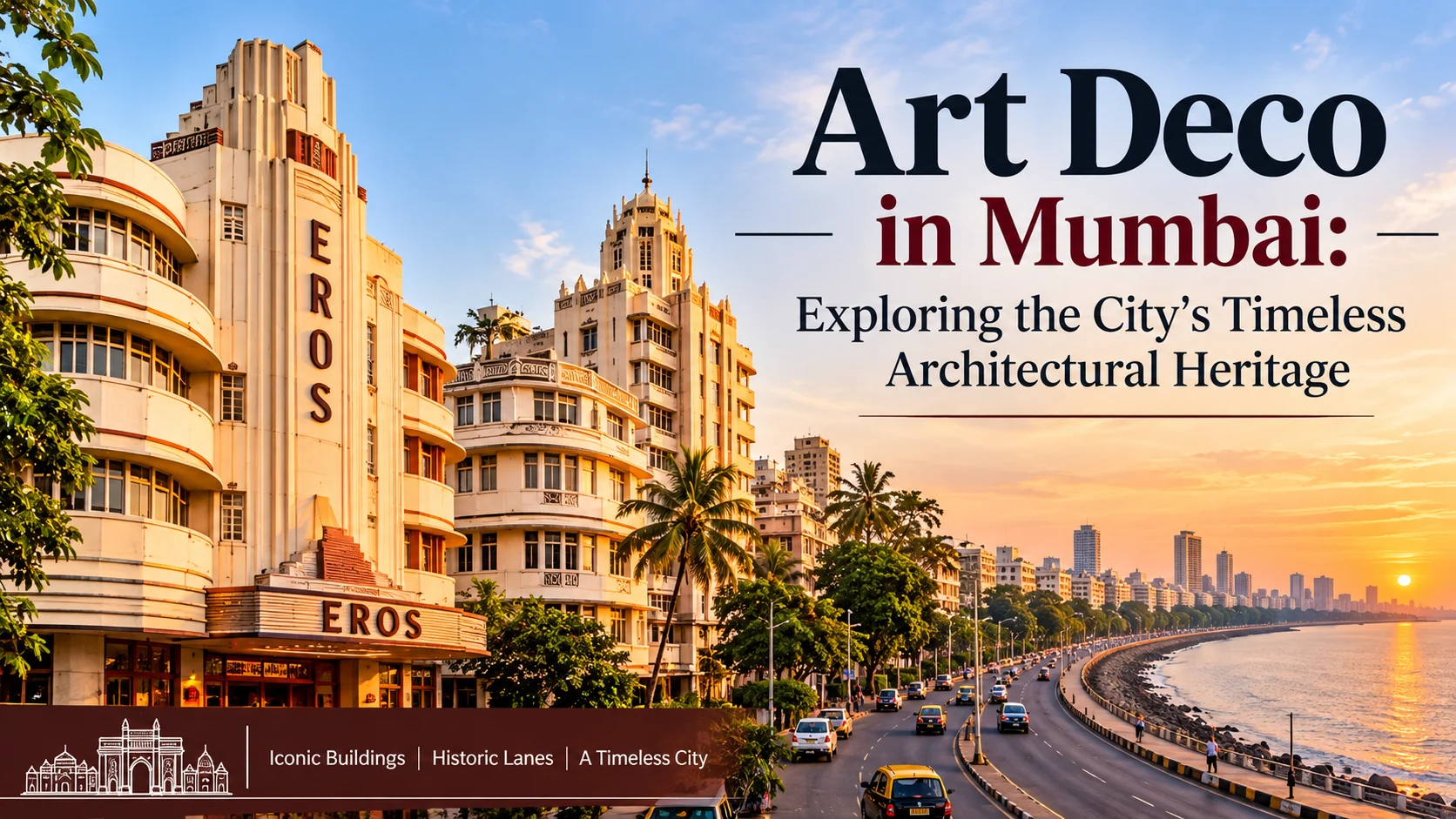
Mumbai is known for its fast-paced lifestyle, historic neighbourhoods and striking architectural diversity. From grand Victorian Gothic structures to contemporary skyscrapers, the city reflects different periods of architectural development. Among these styles, Art Deco in Mumbai holds a special place for its geometric forms, elegant façades and distinctive relationship with the city’s urban history.
Popularly known as Bombay until 1995, Mumbai became an important centre for Art Deco architecture during the 1930s and 1940s. The style appeared in residential buildings, cinemas, hotels and commercial properties, bringing a new sense of modernity to the growing city.
Today, many of these buildings remain part of everyday urban life. Walking through Churchgate, Fort, Oval Maidan and Marine Drive offers an opportunity to discover this architectural legacy.
Explore more architecture stories, design inspiration and industry insights on Smart POV.
How Art Deco Architecture Became Part of Mumbai
Art Deco emerged as an influential international design movement during the early twentieth century. It became recognised for its streamlined forms, geometric patterns, decorative details and modern materials.
In Mumbai, the style gained popularity during a period of rapid urban expansion. Growing demand for housing and new commercial spaces encouraged the construction of buildings that reflected changing lifestyles and aspirations.
Indian architects adapted international Art Deco ideas to local conditions and cultural influences. The result was a distinctive architectural expression often described as Indo-Deco.
The Backbay Reclamation Scheme also played an important role in the city’s development. It opened new opportunities for residential, commercial and entertainment buildings along the western side of Oval Maidan and the Marine Drive waterfront.
In 2018, the Victorian Gothic and Art Deco Ensembles of Mumbai received UNESCO World Heritage Site status. The ensemble brings together architectural developments from two different eras, with Oval Maidan forming an important part of the urban composition. UNESCO World Heritage Centre+1
Mumbai’s Churchgate and Fort: An Art Deco Reflection
Churchgate and Fort are among the most interesting areas to explore Mumbai’s architectural history. Their streets feature a mix of historic buildings, commercial properties and residential structures that reveal how the city developed over time.
The Art Deco buildings in this area are recognised by their strong geometric forms, rounded corners, decorative balconies, vertical lines and carefully designed façades.
Some notable examples include:
1. Eros Cinema
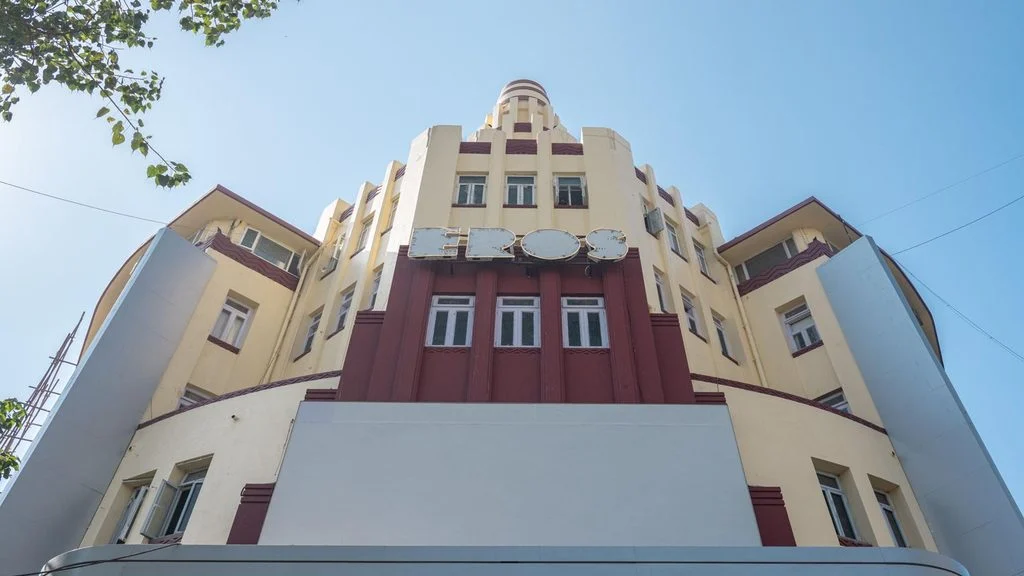
Located near Churchgate, Eros Cinema is one of Mumbai’s best-known Art Deco landmarks. Designed by architect Sohrabji Bhedwar, it opened in 1938.
Its V-shaped structure, cream-coloured exterior and red Agra sandstone details give the building a distinctive appearance. The central tower and stepped architectural elements create a strong vertical emphasis.
Eros represents the important connection between Art Deco architecture and cinema culture in Mumbai. Its design reflects the period when cinema halls became symbols of modern entertainment and urban life. theory.tifr.res.in+1
2. Rajesh Mansion
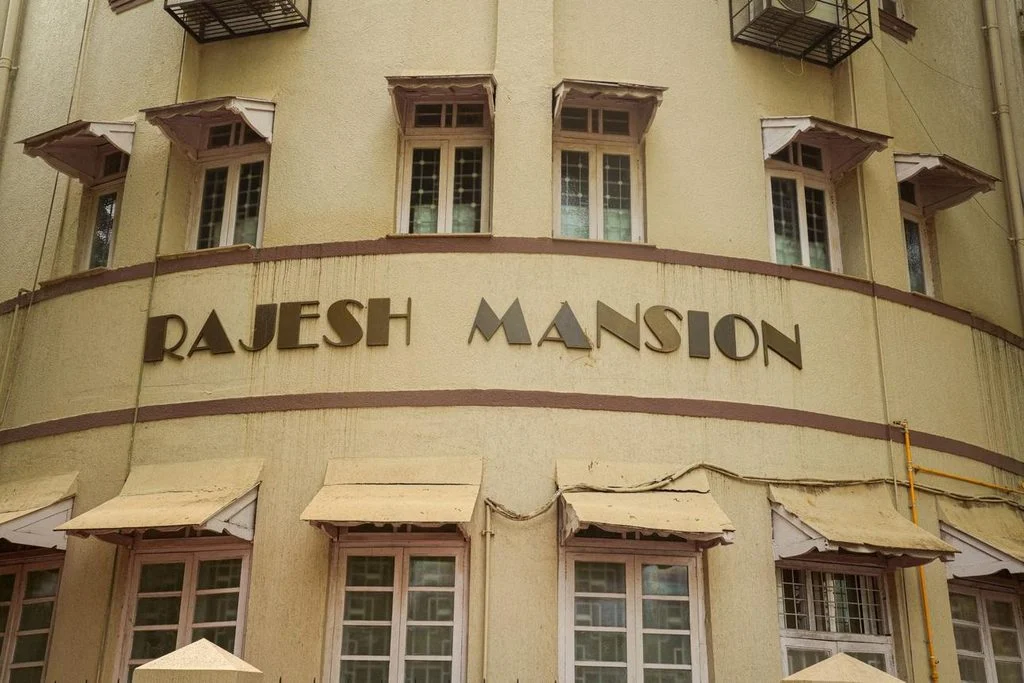
Rajesh Mansion is a residential Art Deco building near Oval Maidan. Its rounded corner façade gives it a distinctive presence at the street junction.
The building demonstrates how Art Deco principles were adapted for residential architecture. Its geometric composition, balconies and relatively simple decorative treatment create a recognisable architectural identity.
3. Empress Court
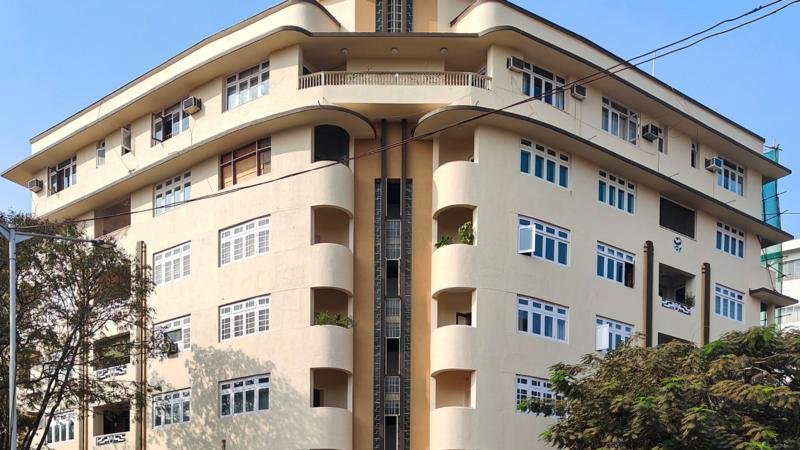
Empress Court is another notable example of residential Art Deco architecture around Oval Maidan.
Its symmetrical composition, geometric ornamentation and decorative entrance details demonstrate how architects used relatively simple building forms to create visual character. The façade shows how repetition and carefully placed decorative elements can make a residential structure memorable.
4. Shiv Shanti Bhuvan
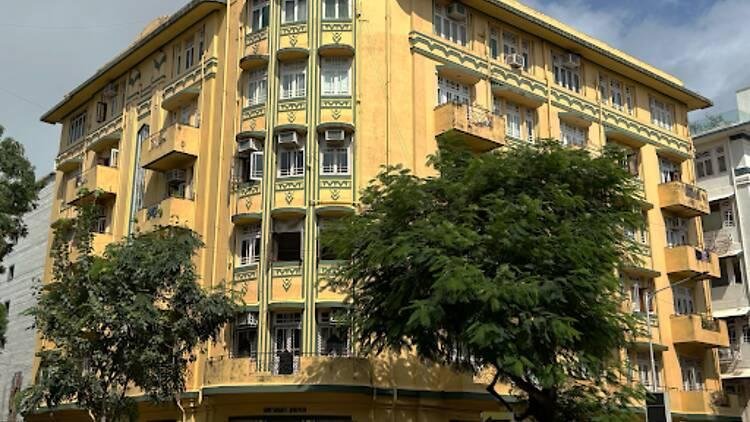
Shiv Shanti Bhuvan is recognised for its Art Deco architectural details and distinctive façade treatment.
Its decorative elements, horizontal lines and carefully designed windows contribute to the building’s overall appearance. It also demonstrates how Mumbai’s Art Deco architecture incorporated local identity into an internationally recognised design movement.
The Art Deco Mumbai research archive documents several of these buildings and their architectural features. Art Deco+1
Marine Drive: A Journey Through Mumbai’s Art Deco Past
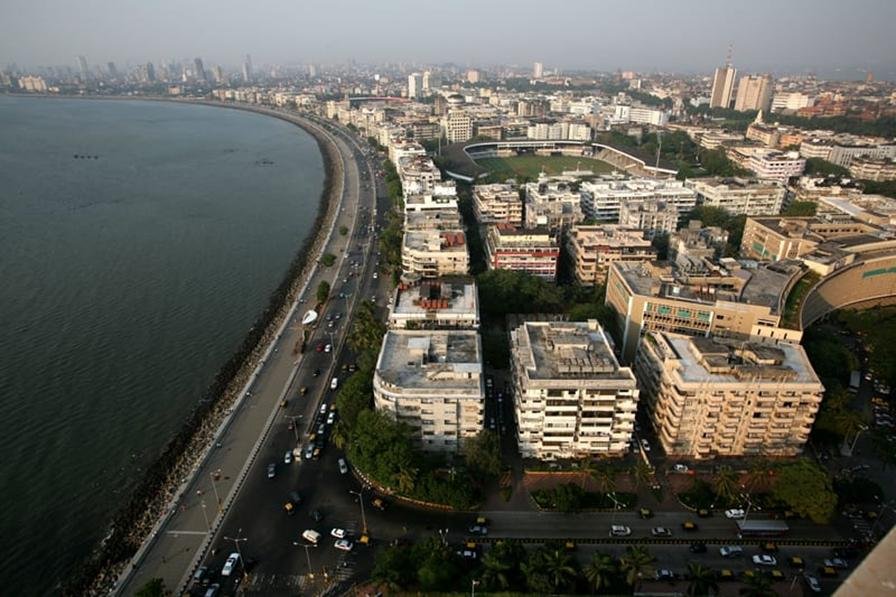
Marine Drive is one of the most recognisable examples of Art Deco architecture in Mumbai. Its sweeping coastal road is lined with residential buildings that create a distinctive architectural skyline along the Arabian Sea.
The development of Marine Drive was closely connected to the Backbay Reclamation Scheme, which enabled the city to expand westwards. As new land became available, residential buildings and commercial structures began to shape the waterfront.
Many buildings along Marine Drive feature rounded balconies, horizontal bands, curved corners and streamlined façades. Their designs complement the road’s sweeping coastal curve, creating a memorable relationship between architecture and the surrounding landscape.
Marine Drive is therefore more than a scenic waterfront. It is an important part of Mumbai’s architectural and urban heritage. UNESCO World Heritage Centre+1
The Jewel of Mumbai: Notable Art Deco Buildings Along the Coast
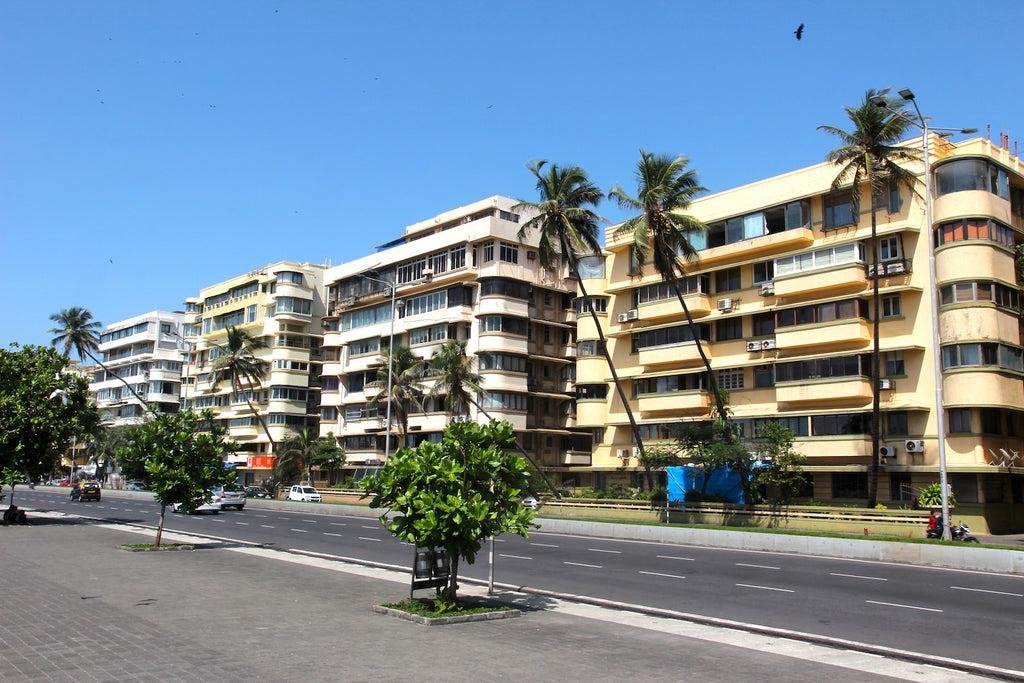
The Art Deco buildings along Marine Drive demonstrate how architecture can shape the identity of an entire neighbourhood.
Several residential buildings are particularly notable for their distinctive forms and coordinated appearance. Examples include:
- Sonawala Building: An example of the residential Art Deco character found along Mumbai’s coastal precinct.
- Keval Mahal: Part of a group of buildings associated with the development of Marine Drive’s architectural identity.
- Kapur Mahal: Known as one of the three related buildings designed by architect P.C. Dastur.
- Zaver Mahal: Completes the trio of buildings that contribute to the visual character of the Marine Drive frontage.
These buildings show how repetition, proportion and carefully coordinated façades can create a cohesive streetscape without making every structure identical. Art Deco+1
All About Art Deco Residences in Mumbai
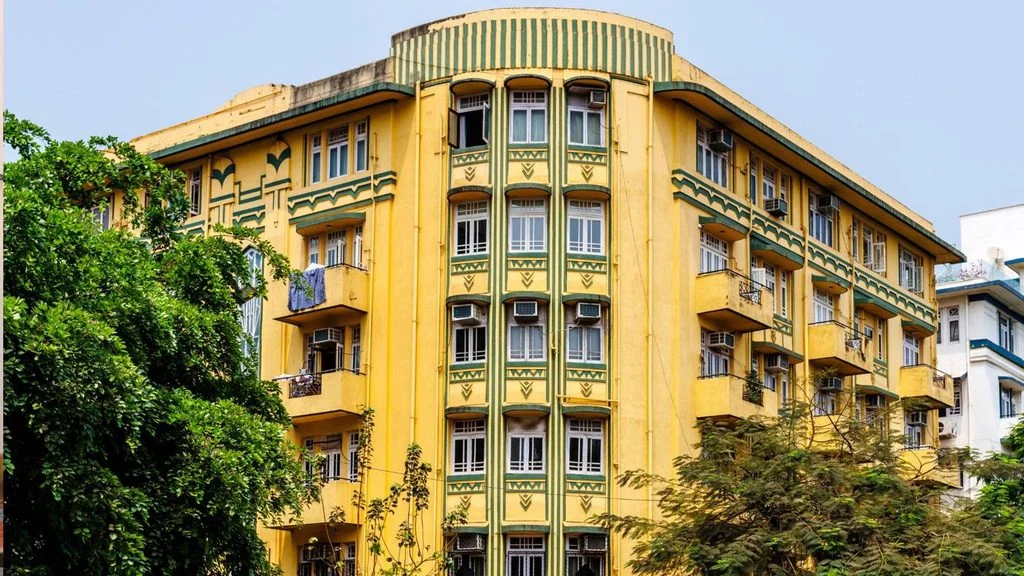
Residential buildings form a significant part of Mumbai’s Art Deco heritage. Unlike monumental public buildings, these structures were designed for everyday living while expressing the modern aspirations of their time.
Their architectural features often include:
- Rounded balconies: Curved balconies soften the building’s corners and create a flowing appearance.
- Geometric ornamentation: Decorative patterns add visual interest without excessive detailing.
- Horizontal bands: Strong horizontal lines emphasise the width and proportions of the building.
- Stylised lettering: Building names are sometimes incorporated into the façade as part of the architectural design.
- Nautical influences: References to waves, ships and tropical imagery reflect Mumbai’s coastal setting.
- Streamlined forms: Simple shapes and clean lines create a modern appearance.
These elements make Mumbai’s residential Art Deco buildings distinctive. Their continued use also connects the city’s architectural past with its present-day urban life.
Art Deco and Victorian Gothic: Two Architectural Stories Around Oval Maidan
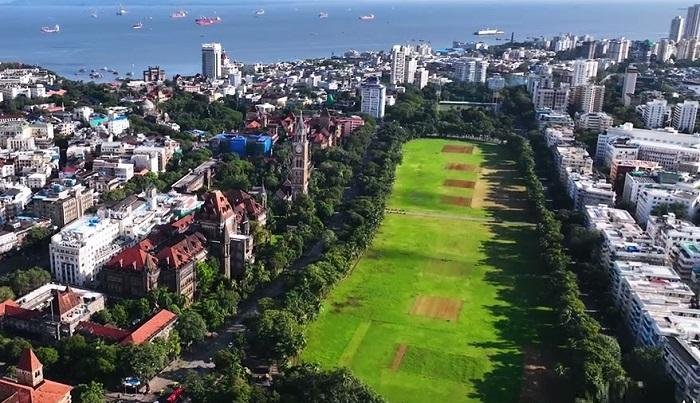
One of the most fascinating aspects of Mumbai’s architectural heritage is the contrast between its Victorian Gothic and Art Deco buildings.
Oval Maidan acts as a shared open space between these two architectural groups. On its eastern side stand prominent Victorian Gothic structures, while its western side features Art Deco buildings.
The contrast can be seen in their design approaches:
| Victorian Gothic architecture | Art Deco architecture |
|---|---|
| Pointed arches and elaborate details | Geometric patterns and clean lines |
| Decorative stonework | Streamlined façades |
| Towers, domes and vertical emphasis | Rounded corners and horizontal bands |
| Historic Gothic influences | Modern international design influences |
Together, these architectural styles illustrate Mumbai’s transformation across the nineteenth and twentieth centuries. Their UNESCO recognition highlights the importance of preserving this shared urban heritage. UNESCO World Heritage Centre+1
Why Mumbai’s Art Deco Architecture Still Matters
Mumbai’s Art Deco buildings are more than attractive structures. They represent a period when the city was embracing new ideas about design, technology, entertainment and modern living.
Their importance can be understood through several aspects:
- Architectural identity: They give Mumbai a distinctive architectural character that differs from many other Indian cities.
- Cultural history: Their designs reflect changing social aspirations and the influence of international design movements.
- Urban planning: Their relationship with Marine Drive and Oval Maidan demonstrates how buildings and public spaces can shape a city.
- Heritage conservation: Their continued existence highlights the importance of maintaining historic structures while cities continue to develop.
- Design inspiration: Their geometry, proportions and decorative details remain relevant to contemporary architects and designers.
For today’s architecture professionals, these buildings offer valuable lessons in façade design, urban composition, material use and the relationship between architecture and public space.


Join the discussion