


Share This Article
Japandi interiors lately have become so popular as minimalism has been one of the biggest interior design movements over the last decade. But let’s be honest not everyone wants a home that feels cold, stark or overly ‘perfect’. That’s when Japandi interiors come in.
Blending the simplicity of Japanese design with the comfort of Scandinavian aesthetics, Japandi Creates Spaces that are calm, functional and incredibly warm. It’s minimalism without the emptiness, clean without feeling too clinical and elegant without trying too hard.
And in a world filled with noise, clutter and constant stimulation, that balance feels more relevant than ever.
So what exactly is Japandi style and why is everyone from houseowners to luxury designers obsessed with it? Let’s break it down!
What Is Japandi Interior Design?
Japandi is a fusion of two design philosophies:
- Japanese minimalism
- Scandinavian functionality and warmth
At first glance, these styles may seem different but they actually share many core principles:
- Simplicity
- Natural materials
- Craftsmanship
- Functionality
- Connection to nature
Japanese interiors focus on serenity and intentional living, while Scandinavian design emphasizes coziness and comfort. Together, they create interiors that feel balanced, timeless and lived in.
Why Japandi Is Becoming So Popular
1. People Want Calm Homes
Modern life is chaotic. Between endless notifications, crowded cities and busy schedules, people are craving homes that feel peaceful.
Japandi interiors create exactly that:
- Soft color palettes
- Uncluttered layouts
- Natural textures
- Gentle lighting
The result is a home that instantly feels grounding.
2. It Makes Minimalism Feel Human
Traditional minimalism sometimes gets criticized for feeling too cold or impersonal. Japandi solves that problem by introducing warmth through:
- Wood textures
- Handmade decor
- Soft fabrics
- Organic shapes
It’s minimalism that actually feels comfortable to live in.
3. It Focuses on Quality Over Quantity
Japandi isn’t about filling a room with decor. It’s about choosing fewer, better things.
Instead of trend-driven furniture, the style prioritizes:
- Timeless pieces
- Durable materials
- Craftsmanship
- Functional beauty
This aligns perfectly with today’s growing interest in sustainability and mindful consumption.
The Core Elements of Japandi Interiors
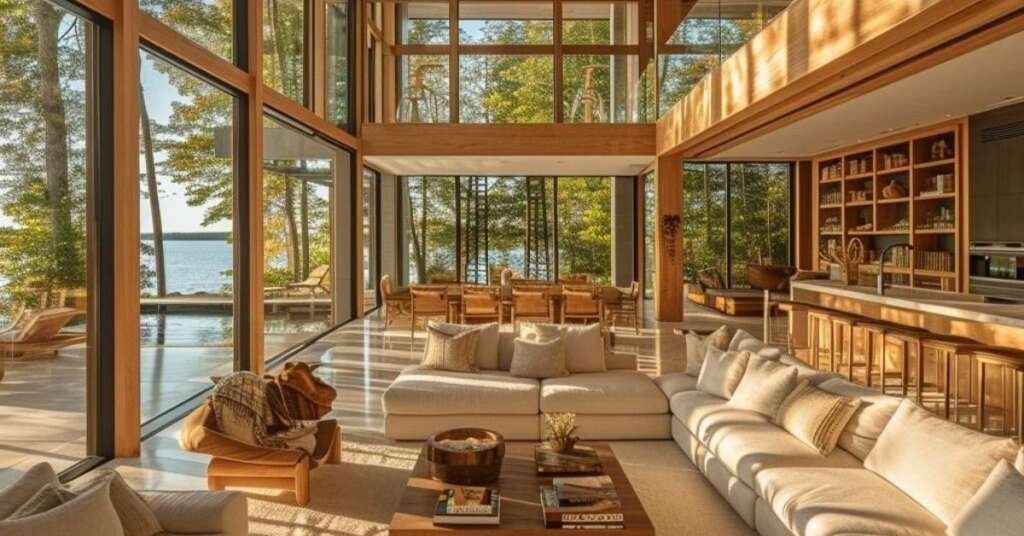
1. Neutral and Earthy Color Palettes
Japandi spaces usually feature muted and nature inspired tone:
- Beige
- Warm whites
- Taupe
- Soft greys
- Sage green
- Charcoal
These colors create a soothing backdrop while allowing textures and materials to stand out.
Credits: https://in.pinterest.com/pin/965951820070089628/
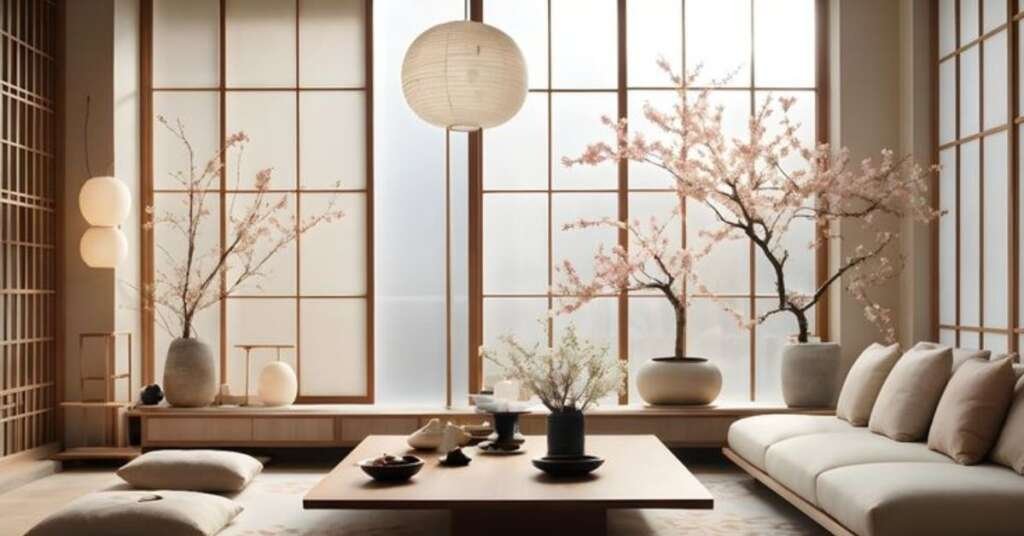
2. Natural Materials Everywhere
Nature plays a huge role in Japandi design. Materials are kept raw, authentic and tactile.
Common materials include:
- Oak wood
- Bamboo
- Linen
- Stone
- Clay
- Rattan
The goal is to make the home feel connected to the natural world.
Credits: https://in.pinterest.com/pin/52002570693054075/
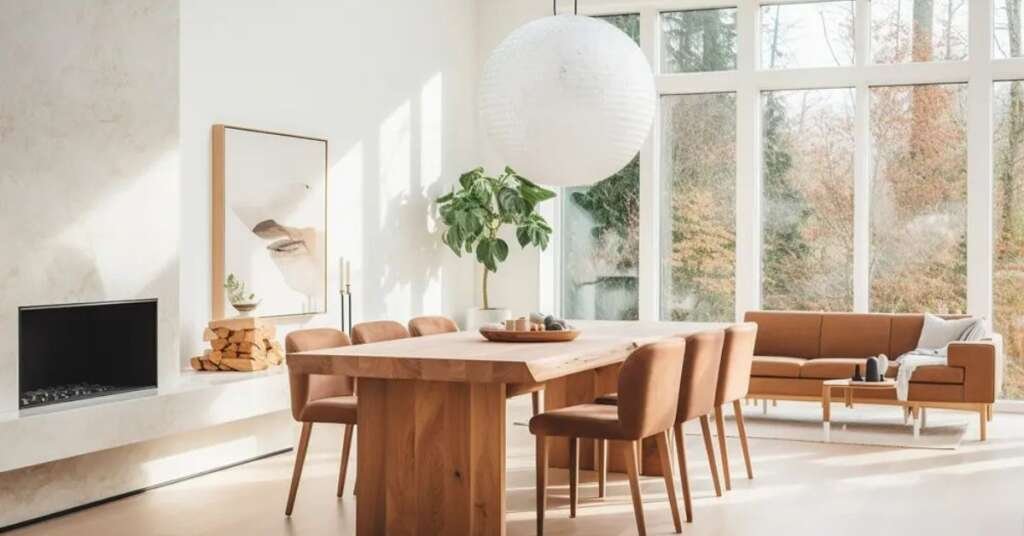
3. Minimal But Functional Furniture
Furniture in Japandi homes is simple, clean-lined, and practical.
You’ll often notice:
- Low-profile sofas
- Sleek wooden tables
- Open spaces between furniture
- Multifunctional pieces
Nothing feels excessive or decorative for the sake of it.
Credits: https://global.fujioh.com/2024/10/01/japandilivinganddiningspaces/
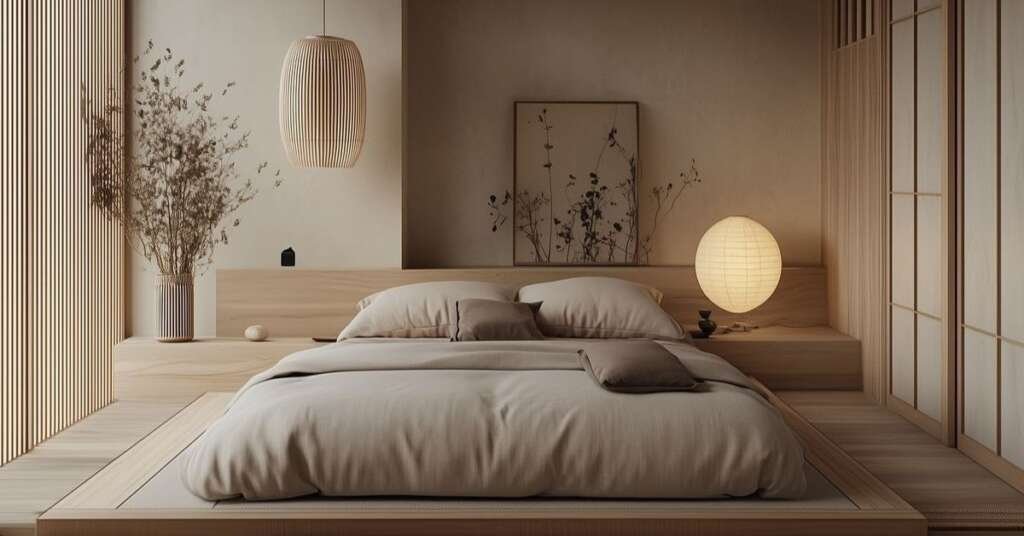
4. Warm Lighting
Lighting is one of the reasons Japandi interiors feel so inviting.
Instead of bright white lighting, the style embraces:
- Warm ambient lamps
- Soft pendant lighting
- Natural daylight
- Paper lantern-style fixtures
The lighting always feels calm and diffused rather than harsh.
Credits: https://in.pinterest.com/pin/563018698701141/
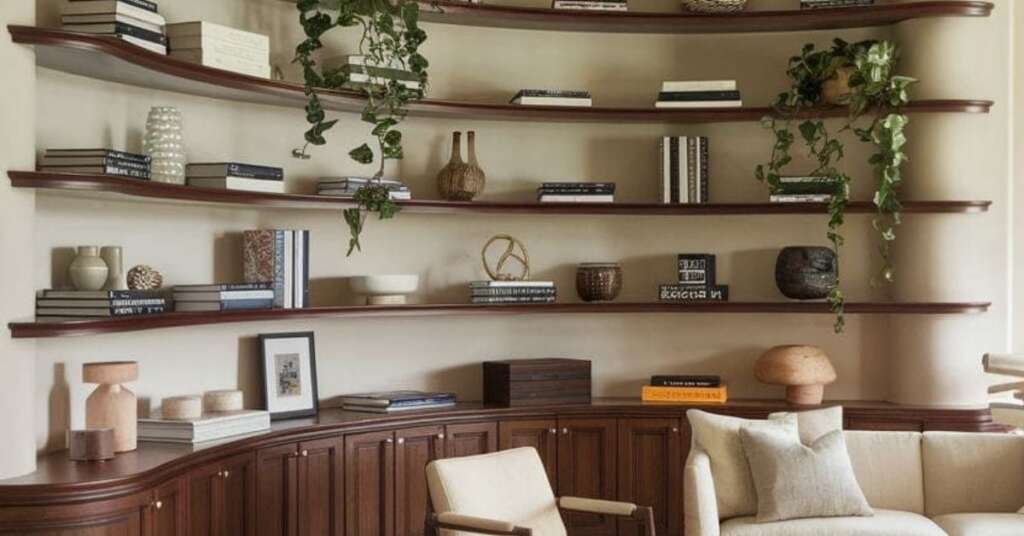
5. Thoughtful Decor and Empty Space
In Japandi interiors, empty space is intentional. Rooms are not overcrowded.
Decor is carefully curated:
- Handmade ceramics
- Simple vases
- Indoor plants
- Textured cushions
- Minimal artwork
Every item has room to breathe.
Credits: https://in.pinterest.com/pin/728879520986002947/
A lot of people confuse Japandi with Scandinavian or minimalist interiors, but there are subtle differences.
Japandi vs Scandinavian vs Minimalist Design
| Style | Main Focus | Feel |
| Scandinavian | Comfort and coziness | Bright and airy |
| Minimalist | Simplicity and reduction | Clean and stark |
| Japandi | Balance of warmth and simplicity | Calm and grounded |
Japandi essentially combines the best parts of both Scandinavian and Japanese design philosophies.
Also Read: Quiet Luxury Interiors: Why Understated Homes Are Becoming the New Status Symbol
How to Create a Japandi Home
1. Declutter Ruthlessly
Japandi starts with simplicity. Remove unnecessary items and focus on essentials.
A clutter-free space instantly feels calmer and more intentional.
2. Invest in Natural Materials
Swap synthetic finishes for natural textures:
- Wooden furniture
- Linen curtains
- Stone accessories
- Ceramic decor
These materials add warmth without overwhelming the room.
3. Keep Furniture Low and Simple
Low-profile furniture helps create openness and visual calm.
Choose pieces with:
- Clean lines
- Soft edges
- Neutral upholstery
Avoid bulky or highly ornate designs.
4. Add Warmth Through Texture
Texture is what prevents Japandi from feeling flat.
Layer:
- Wool throws
- Linen bedding
- Woven rugs
- Matte ceramics
The mix of textures creates depth while keeping the palette minimal.
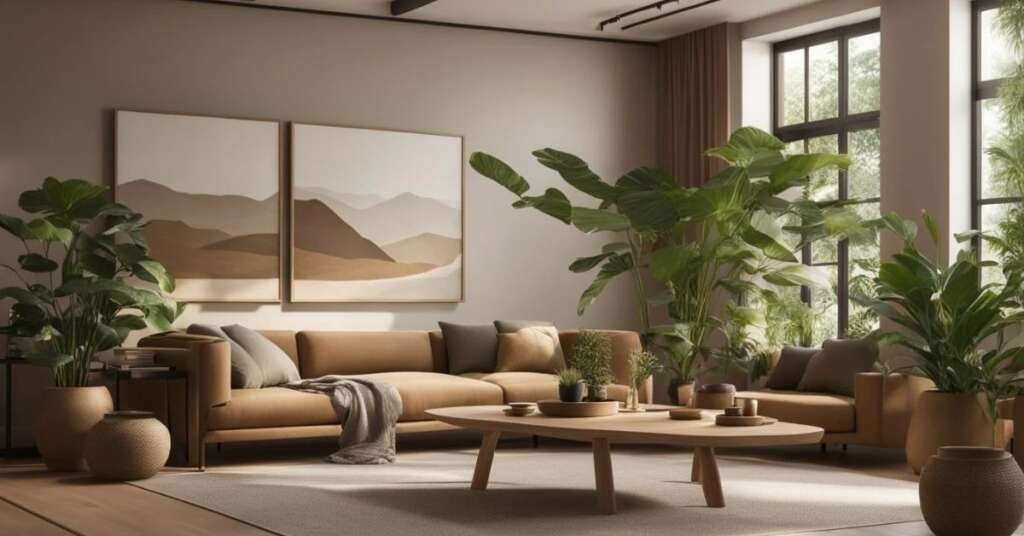
5. Bring Nature Indoors
Indoor plants are essential in Japandi interiors.
Popular choices include:
- Bonsai trees
- Olive plants
- Snake plants
- Bamboo
Even a single branch in a ceramic vase can transform the mood of a room.
Why Japandi Works So Well in Modern Homes
One reason Japandi is thriving globally is because it adapts beautifully to modern lifestyles.
Whether you live in:
- A compact apartment
- A luxury villa
- A city studio
- A suburban home
The style works because it prioritizes functionality and emotional comfort over trends.
It’s especially relevant in urban homes where people want spaces that feel less stressful and more restorative.
Common Mistakes to Avoid
Making It Too Empty
Japandi is minimalist, but it shouldn’t feel lifeless. Warm textures and personal touches matter.
Using Cold Lighting
Bright white lighting can ruin the cozy atmosphere. Stick to warm tones.
Overdecorating
Japandi relies on restraint. Too many decorative items can disrupt the calm aesthetic.
Ignoring Texture
Without texture, neutral spaces can feel flat. Layering materials is key.
The Emotional Appeal of Japandi
What makes Japandi truly special isn’t just the aesthetics, it’s the feeling.
A Japandi home encourages:
- Slower living
- Mindfulness
- Comfort
- Simplicity
- Connection with nature
It creates spaces where people can genuinely relax, recharge and feel at ease.
And honestly, that’s something many homes are missing today.
Final Thoughts
Japandi interiors prove that minimalism doesn’t have to feel cold. By blending Japanese simplicity with Scandinavian warmth, this design style creates homes that are elegant, calming and deeply livable.
It’s not about perfection or expensive decor. It’s about intentional choices, natural materials and creating an environment that feels peaceful every single day.
In a world that constantly demands more, Japandi quietly reminds us that less can actually feel richer.
FAQ
What is this post about? It covers the main idea with practical takeaways and examples.